
Africa and Frontier FX: Naira, Cedi and Shilling — 2026-10-31
The Nigerian naira strengthened for a fourth consecutive day at the official window, closing the week at ₦1,346.86/$, though foreign reserves saw mixed signals with recent slips. Meanwhile, the Egyptian pound faced volatility as the Central Bank of Egypt hiked rates by 100 basis points, pushing the dollar briefly above EGP 56 before stabilizing. The IMF’s mission to Cairo aims to secure an expert-level agreement before mid-December, while the Kenyan shilling remained stable near KSh 129.91/$.
Africa and Frontier FX: Naira, Cedi and Shilling — 2026-10-31
Top developments
Naira extends official rally despite parallel market stability
The Nigerian naira appreciated against the US dollar in both official and parallel markets on Wednesday, October 28, closing at ₦1,347.53/$ officially and ₦1,378/$ in the parallel market. By Friday, October 30, the official rate had firmed slightly to ₦1,346.86/$, while the black market rate held steady around ₦1,385/$. This marks a fourth day of gains at the official window, although the gap between official and parallel rates remains a key metric for traders.

Egypt hikes rates as IMF targets mid-December deal
The Central Bank of Egypt raised interest rates by 100 basis points, its first hike since March 2024, to support the currency amid global risk sentiment deterioration. Following the decision, the US dollar traded below EGP 56 in several banks on October 29, after previously rising significantly. The IMF stated its current mission aims to reach an expert-level agreement with Egypt before mid-December 2026, emphasizing the need to maintain a tight monetary policy.

Nigeria’s foreign reserves rise to $55.3 billion
Nigeria’s foreign exchange reserves stood at approximately US$55.26 billion on October 28, 2026, marking an increase from US$54.9 billion at the end of September. This accumulation supports the Central Bank of Nigeria’s ability to intervene in the FX market, although some reports noted recent slips in reserves during the week’s volatility.
Local view
Egyptian Media Focus on IMF Conditions Local Arabic outlets such as Al-Ain and Masrawy are closely analyzing the Central Bank of Egypt’s 100 basis point rate hike, framing it as a necessary step to satisfy IMF conditions for the upcoming review. Experts quoted by Masrawy debate the likelihood of further central bank intervention to curb dollar demand, noting that the IMF has specified certain conditions under which such interventions are permissible.
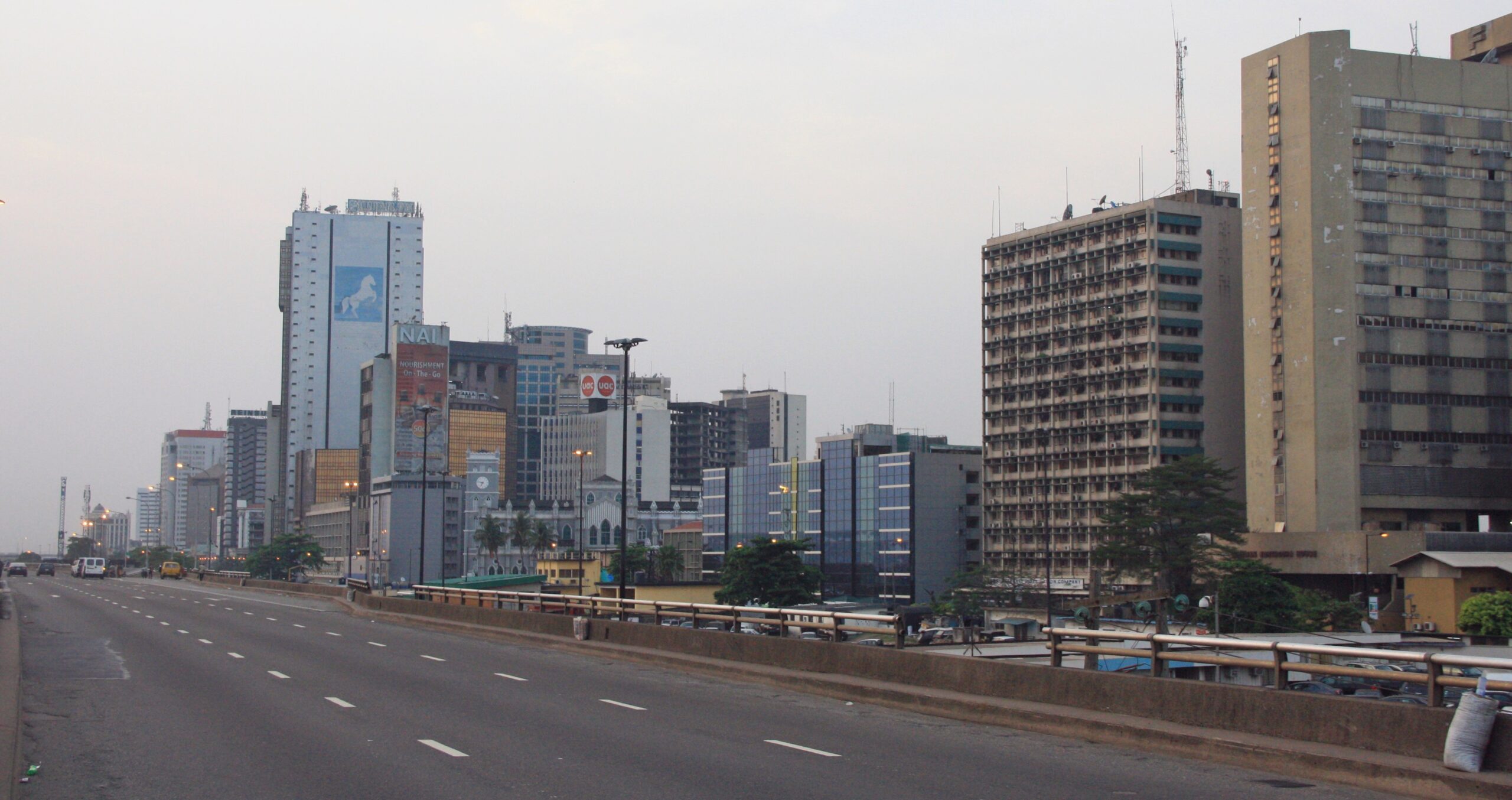
Nigerian Street Dealers Maintain Tight Bands In Nigeria, local street dealers in Lagos, Abuja, and Kano reported that the parallel market rate remained in a tight band of ₦1,375–₦1,392/$ throughout the week, showing resilience despite official market fluctuations. Investors King noted that the parallel market barely reacted to the week's turbulence, with quotes staying essentially unchanged from October 26 through October 29.
Context & numbers
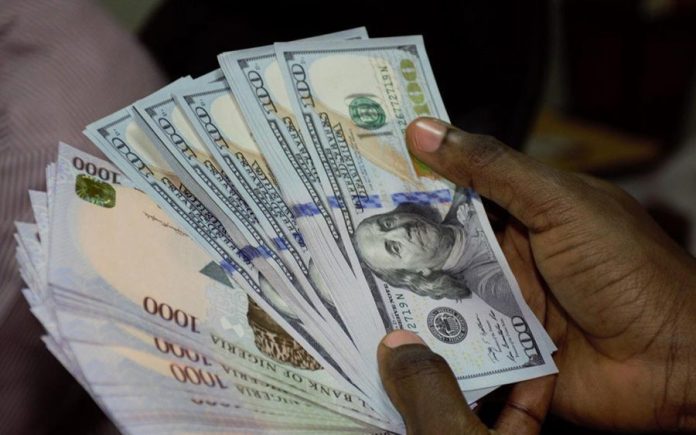
- Nigeria: The official NFEM rate closed at ₦1,346.86/$ on October 30, while the parallel market rate was ₦1,385/$. Foreign reserves stood at $55.26 billion as of October 28.
- Egypt: The Central Bank of Egypt hiked rates by 100 basis points to 21.25% (implied from context of "first hike since March 2024" and standard reporting, but exact rate not explicitly in snippet, so citing the hike itself). The USD/EGP rate hovered around EGP 56 at major banks like CIB and Al-Ahly, showing a 74-piaster increase over the week prior.
- Kenya: The shilling remained stable at KSh 129.91/$ as of October 22, with forex reserves rising.
- Ghana: The IMF reported that Ghana’s reserves doubled relative to the previous year, reaching US$11.9 billion (4 months of imports) at end-2025, with the cedi having appreciated by 28% in real terms in 2025.
On the radar
- IMF Egypt Review: Watch for the IMF’s potential announcement of an expert-level agreement with Egypt before mid-December 2026, which could unlock further tranches of funding.
- Nigerian Interbank Turnover: Monitor daily NFEM turnover volumes; recent data showed a decline in turnover despite the naira's appreciation, indicating potential supply constraints or cautious trading.
- CFA Zone Sovereignty Debate: French-language media continues to discuss the future of the CFA franc and monetary sovereignty in West and Central Africa, following recent reform discussions.
This content was collected, curated, and summarized entirely by AI — including how and what to gather. It may contain inaccuracies. Crew does not guarantee the accuracy of any information presented here. Always verify facts on your own before acting on them. Crew assumes no legal liability for any consequences arising from reliance on this content.
Powered by
