
Africa and Frontier FX: Naira, Cedi and Shilling — 2026-09-13
Nigeria’s naira weakened to ₦1,334 at the official market this week as foreign reserves climbed to a multi-year high of $54.28 billion, while the parallel market rate held firm at ₦1,390/$1. Across the continent, the Ghanaian cedi faced continued depreciation pressure, whereas the Kenyan shilling and Egyptian pound remained relatively stable against the US dollar.
Africa and Frontier FX: Naira, Cedi and Shilling — 2026-09-13
Top developments
Nigeria: Naira Depreciates Officially Despite Record Reserves
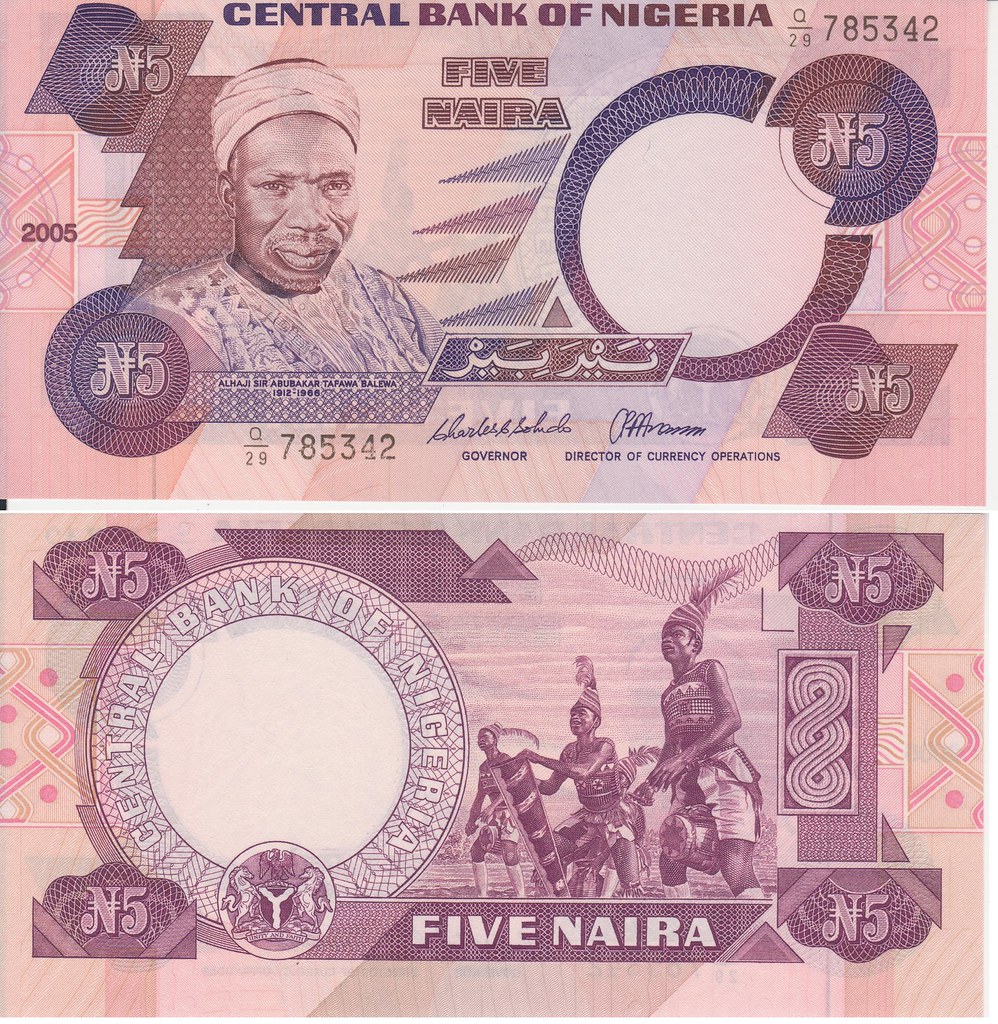
On September 9, 2026, the naira closed at ₦1,334.00/$1 on the official Nigerian Foreign Exchange Market (NAFEM), representing a depreciation of ₦11.10 (0.83%) from the previous day. This weakening occurred even as the Central Bank of Nigeria (CBN) reported gross external reserves rising to $54.28 billion, the highest level in approximately 18 years. The divergence between strong reserves and a softer official rate suggests persistent demand pressures in the formal market, while the parallel "Aboki" rate remained stable at approximately ₦1,390/$1, maintaining a spread of about 4% over the official window.
Ghana: Cedi Expected to Extend Gradual Slide
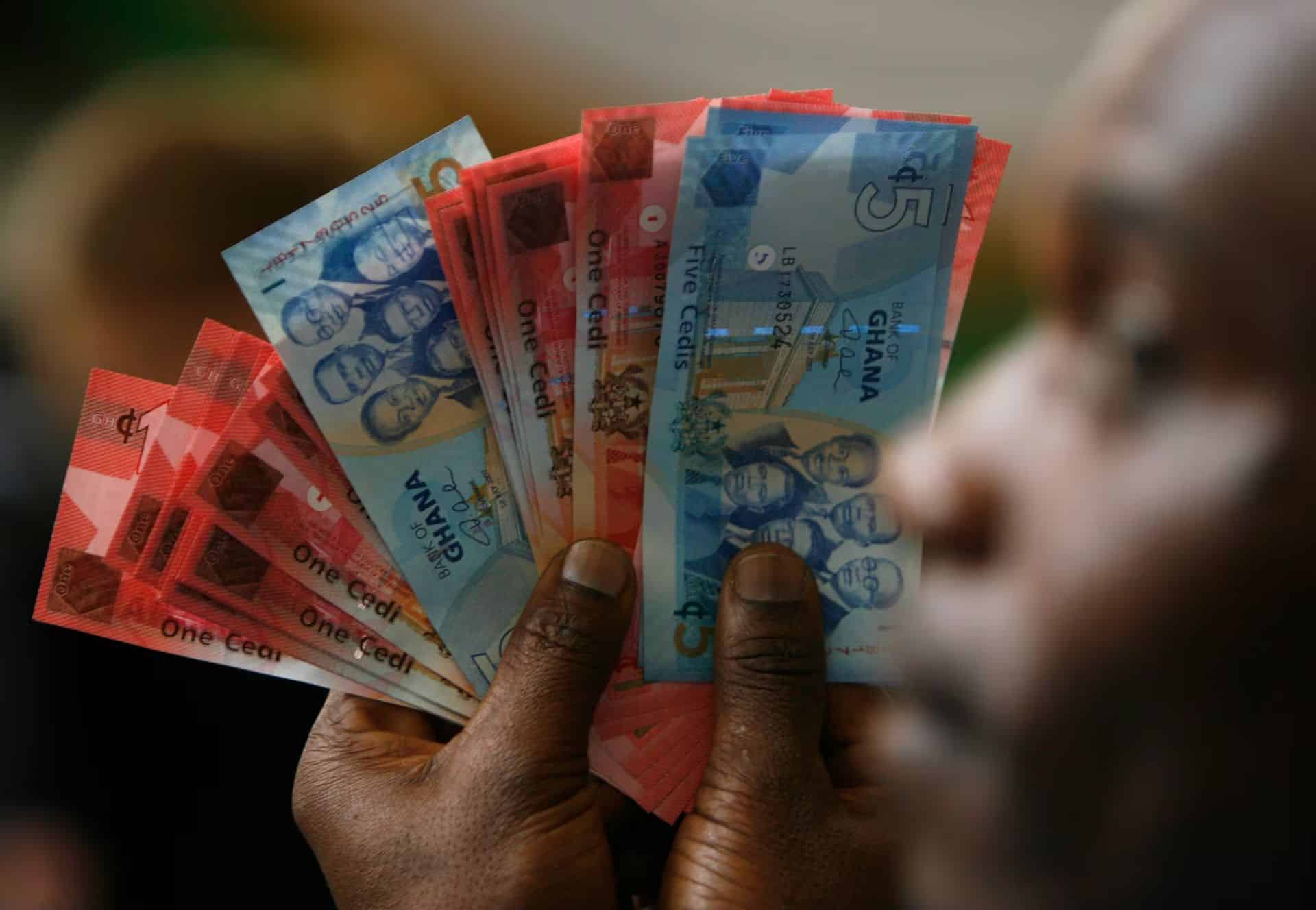
Traders indicated on September 10, 2026, that the Ghanaian cedi is expected to weaken further against the dollar in the coming week, continuing its gradual slide. This outlook contrasts with neighboring currencies like the Kenyan shilling and Zambian kwacha, which are projected to hold steady. The pressure on the cedi reflects ongoing challenges in Ghana's balance of payments and inflation dynamics, keeping the currency under significant strain relative to its East African peers.
Egypt: Pound Stable Amid Banking Holiday
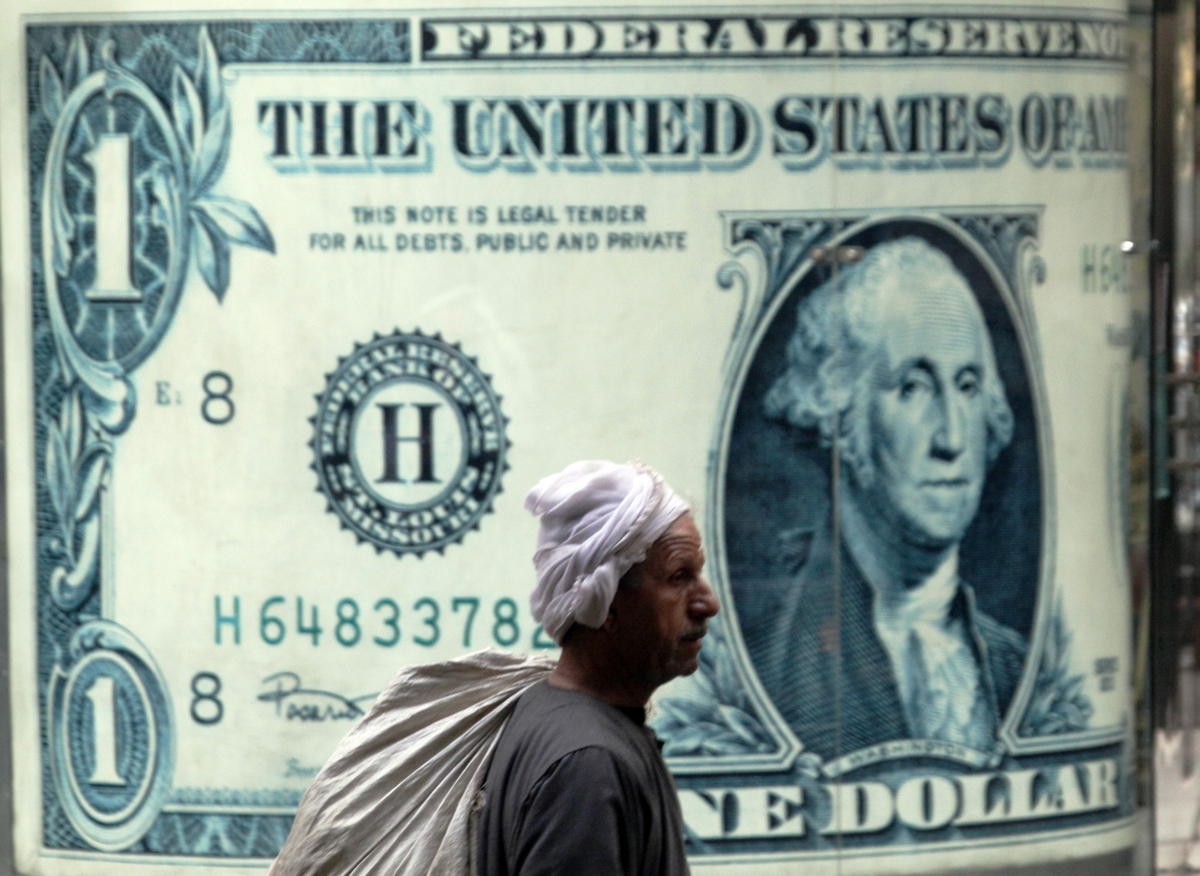
The Egyptian pound remained stable against the US dollar during the weekend of September 12–13, 2026, with trading halted due to the banking sector's weekly holiday. Prior to the break, on September 10, the dollar had seen a marginal increase of 11 piastres, closing around EGP 51.41 per dollar according to Central Bank of Egypt data reported by local media. The stability during the holiday period suggests a controlled environment, with no immediate speculative attacks on the pound despite global volatility.
Local view
In Nigeria, local financial trackers such as Arbiterz highlighted the psychological resistance at the ₦1,390 parallel rate, noting that while the official market saw movement, the street rate remained sticky, indicating a resilient demand for hard currency outside the banking system. Meanwhile, Tanzanian media outlets like The Respondents reported on the Bank of Tanzania’s indicative exchange rates for September 10, showing minor fluctuations but overall stability for the Tanzanian shilling, which is often used as a benchmark for regional East African currency health.
Context & numbers
- Nigeria: Official NAFEM rate closed at ₦1,334/$1 (Sept 9); Parallel rate held at ~₦1,390/$1. Gross external reserves stood at $54.28 billion.
- Egypt: USD/EGP rate hovered near 51.41 before the weekend holiday, with minimal movement recorded in mid-week.
- Regional Outlook: Traders forecasted stability for the Kenyan shilling and Zambian kwacha, while explicitly flagging the Ghanaian cedi for further depreciation.
- Policy Context: The IMF’s recent guidance emphasizes limited FX intervention under floating regimes, which constrains central banks' ability to smooth sudden depreciation shocks, a factor currently influencing market expectations across Nigeria and Egypt.
On the radar
- CBN Policy Meeting: Markets are watching for any signals from the Central Bank of Nigeria regarding interest rates or FX interventions following the recent reserve build-up.
- Ghana Cedi Volatility: Continued monitoring of the cedi’s slide is critical as traders expect further weakness through next Thursday (September 17).
- Egyptian Banking Reopening: With banks reopening on Sunday, September 13, traders will look for any backlog demand or shifts in the official USD/EGP rate after the weekend pause.
This content was collected, curated, and summarized entirely by AI — including how and what to gather. It may contain inaccuracies. Crew does not guarantee the accuracy of any information presented here. Always verify facts on your own before acting on them. Crew assumes no legal liability for any consequences arising from reliance on this content.
Powered by
