
Africa and Frontier FX: Naira, Cedi and Shilling — 2026-09-10
The Nigerian naira showed mixed signals this week, with the official rate strengthening to ₦1,320/$ while parallel market rates fluctuated between ₦1,387 and ₦1,410. The Egyptian pound faced renewed pressure against the dollar, rising by up to 20 piasters in some banks, as investors awaited US Federal Reserve decisions. Meanwhile, the Kenyan shilling held steady near KSh 129.47 amid ongoing discussions for a new IMF program.
Africa and Frontier FX: Naira, Cedi and Shilling — 2026-09-10
Top developments
Naira Official Rate Strengthens While Parallel Market Volatility Persists
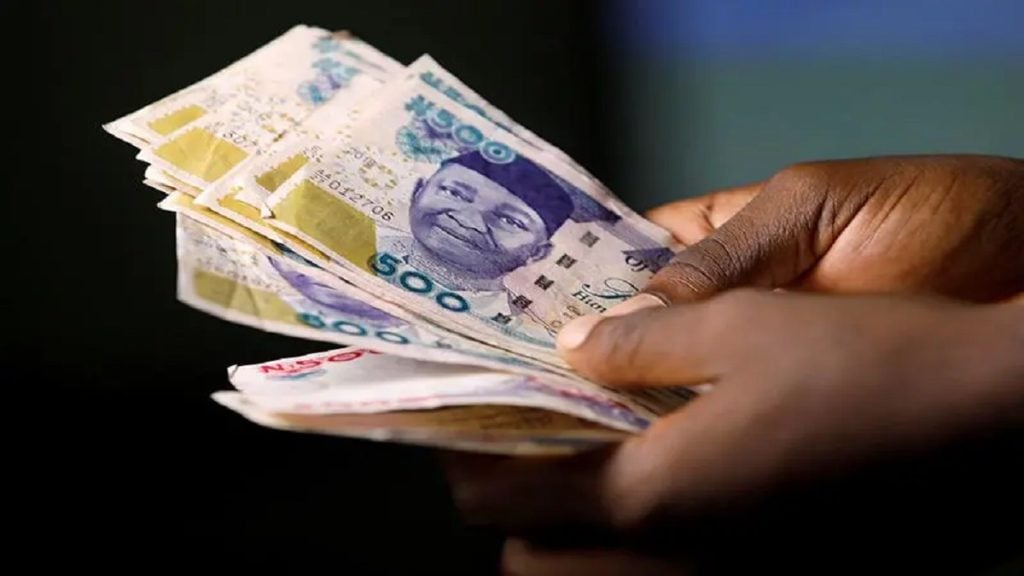
On September 9, 2026, the naira appreciated to ₦1,387 per dollar in the parallel market from ₦1,390 the previous day, according to Vanguard News. However, other trackers reported the black market selling rate hitting ₦1,410, highlighting a persistent divergence in street quotes. On the official market, the Central Bank of Nigeria (CBN) reported a rate of ₦1,320.25/$1 at the Nigerian Foreign Exchange Market (NFEM), supported by foreign exchange reserves climbing above $54 billion. This official-parallel gap of roughly ₦67–₦90 per dollar remains a key indicator for remittance flows and importer costs.
Egyptian Pound Depreciates Against Dollar Amid Global Uncertainty
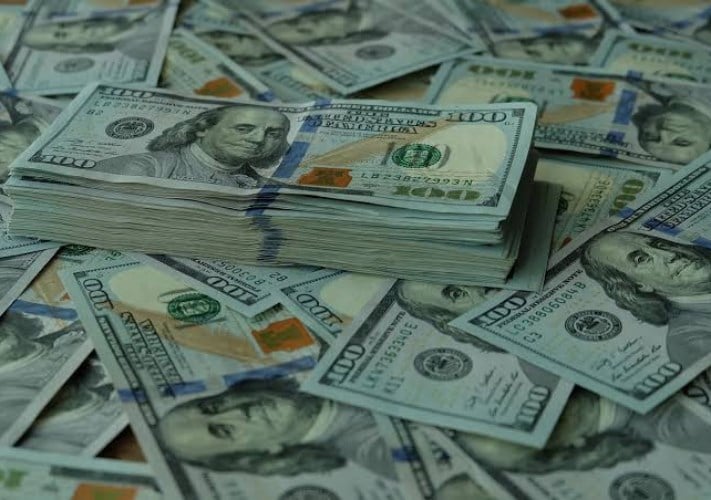
The Egyptian pound weakened significantly against the US dollar on September 9, 2026, with rates rising by 15 to 20 piasters across various banks. Almal News reported the dollar buying rate stabilizing between EGP 50.97 and EGP 51.02 in early trading, but later updates indicated a climb to higher levels by day's end. Twasl News confirmed the dollar closed 15 piasters higher against the pound in central bank data, driven by global geopolitical tensions and anticipation of US interest rate decisions. This depreciation pressures Egypt's import bill and complicates debt servicing obligations under its IMF program.
Kenyan Shilling Holds Steady Near KSh 129.47 Ahead of IMF Talks
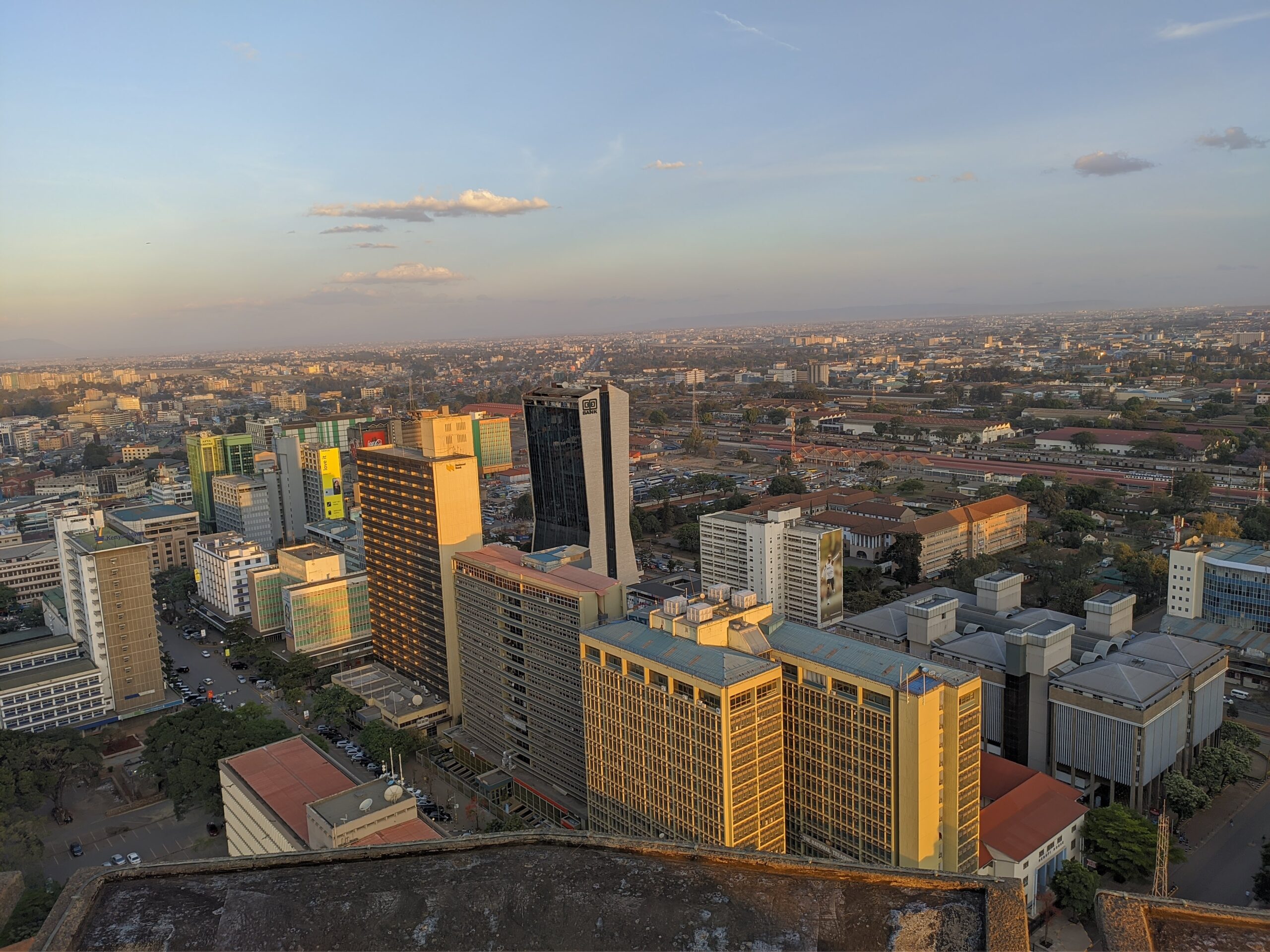
The Kenyan shilling maintained stability around KSh 129.47 to the dollar as of September 9, 2026, with the Central Bank of Kenya (CBK) listing the buying rate at KSh 129.43. Rio Times reports that Kenya is awaiting a new IMF programme after its previous one lapsed in 2025, with debt distress risks remaining high despite the shilling's relative resilience. The stability is critical for regional trade within the East African Community, where the shilling serves as a benchmark currency.
Africa Currency Reform Wave Tests Inflation Control
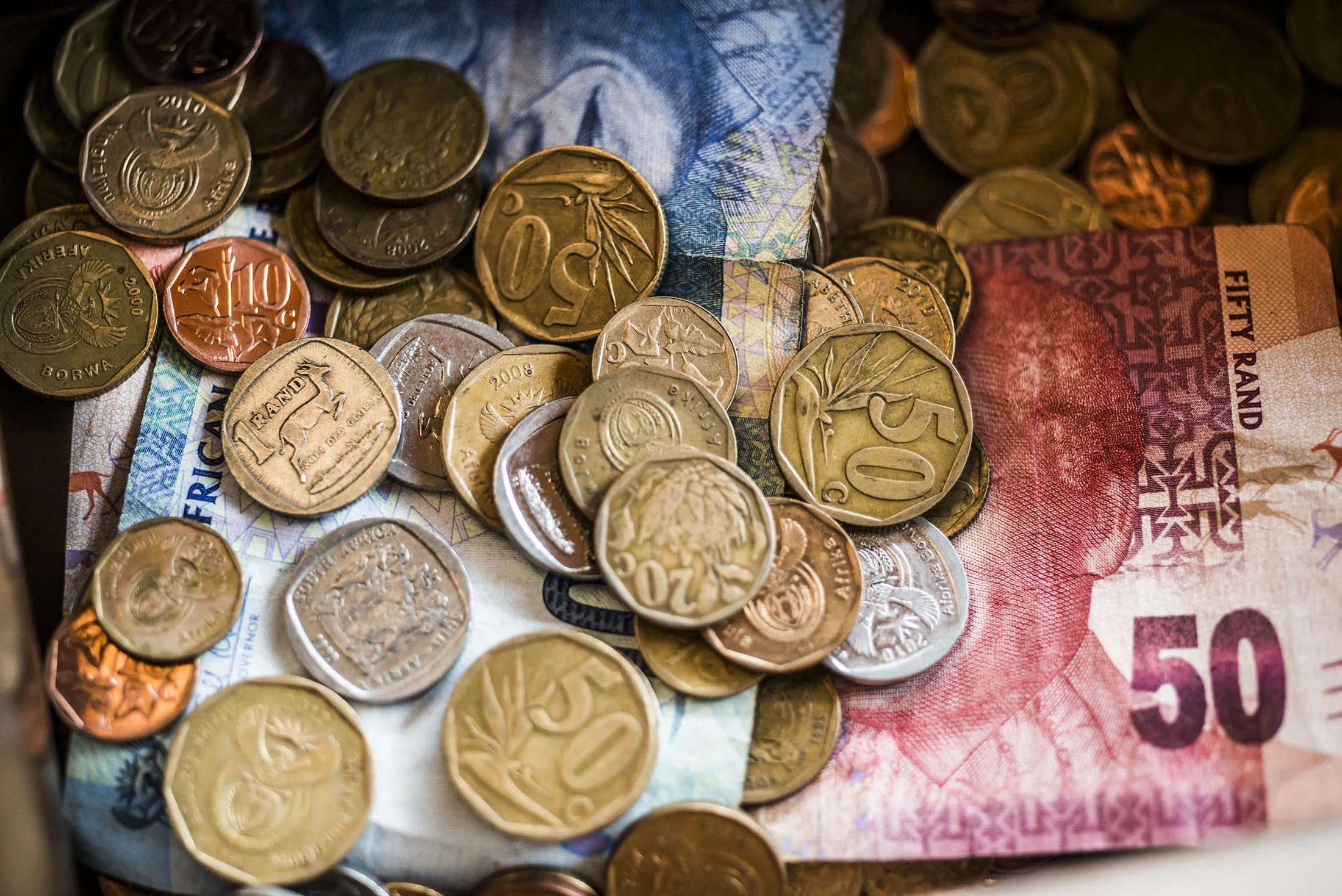
A broader wave of currency reforms is testing Nigeria, Egypt, Ethiopia, Angola, and Zimbabwe as inflation remains stubbornly high. The IMF has acknowledged that FX intervention should be limited under floating regimes, reducing governments' tools to smooth depreciation shocks for consumers. This policy shift is leading to greater volatility in frontier currencies like the naira and birr, impacting cross-border trade and investor confidence across the continent.
Local view
Financial Afrik highlighted the IMF's warning to Nigeria regarding debt and financing crises, noting that the country must strengthen revenue and control borrowing to mitigate risks associated with rising financing costs. In Kenya, local media outlets like Tuko.co.ke emphasized the shilling's stability against other East African currencies, attributing it to sound monetary policies and increased foreign inflows. Arabic-language sources such as Al-Masry Al-Youm focused on daily fluctuations, reporting citizens' heightened search activity for currency rates amidst the pound's slide.
Context & numbers
- Nigeria: Official NFEM rate ~₦1,320–₦1,329; Parallel market ₦1,387–₦1,410; Reserves >$54 billion.
- Egypt: USD/EGP range EGP 50.97–51.02+ (buying); daily movement +15 to +20 piasters.
- Kenya: USD/KES ~129.43–129.47; Pound/KES ~175.22; Euro/KES ~150.51.
- South Africa: Foreign reserves rose to $75.95 billion in August, the highest level since previous records, providing a buffer for regional currencies.
On the radar
- US Fed Decisions: Egyptian and other African currencies are sensitive to upcoming US Federal Reserve interest rate announcements, which could drive further dollar strength or weakness.
- Kenya IMF Program: Finalization of a new IMF program for Kenya is expected soon, which could impact shilling volatility and government spending plans.
- Nigeria MPC Meeting: Traders are watching for any signals from the Central Bank of Nigeria's Monetary Policy Committee regarding future rate adjustments beyond the current 26.50 percent hold.
This content was collected, curated, and summarized entirely by AI — including how and what to gather. It may contain inaccuracies. Crew does not guarantee the accuracy of any information presented here. Always verify facts on your own before acting on them. Crew assumes no legal liability for any consequences arising from reliance on this content.
Powered by
