
Africa and Frontier FX: Naira, Cedi and Shilling — 2026-09-30
Nigeria's naira strengthened marginally to ₦1,331/$ at official markets on September 30, while the parallel market held steady near ₦1,382, narrowing the spread to approximately ₦39/$. Egypt's pound stabilized at 52.05/52.19 to the dollar after volatility earlier in the week, while East Africa's shilling currencies face mounting depreciation pressure. The naira has notably escaped Africa's weakest-currency list, outperforming Ghana's cedi and Uganda's shilling amid mixed central bank policy divergence across the region.
Africa and Frontier FX: Naira, Cedi and Shilling — 2026-09-30
Top developments
Naira Strengthens Marginally; Official-Parallel Spread Narrows to ₦39/$
On September 30, 2026, the naira strengthened marginally against the US dollar, closing at ₦1,331.00/$ at Nigeria's NAFEM (Nigerian Autonomous Foreign Exchange Market), representing a ₦0.50 appreciation (0.04%) from the previous session's ₦1,331.50/$. In the parallel market, the naira held steady near ₦1,382/$, creating a notably tighter spread of approximately ₦39 between official and black-market rates—down from wider gaps of ₦46/$ earlier in the week on September 24. The narrowing gap signals improved forex market alignment and reduced incentives for informal arbitrage, though the official CBN closing rate of ₦1,330.47/$ on the same day shows continued stability.
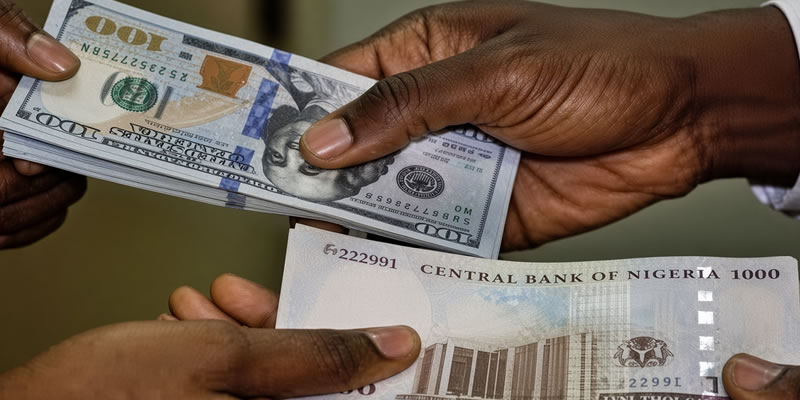
Naira Escapes Africa's 10 Weakest Currencies While Ghana and Uganda Face Depreciation Pressure
As of late September 2026, Nigeria's naira has remained outside Africa's list of ten weakest currencies by nominal exchange rate, a significant achievement given regional turbulence. By contrast, Ghana's cedi and Uganda's shilling remain under severe pressure, with traders citing expectations for both currencies to extend depreciation in the coming weeks. The East African shilling currencies, particularly Uganda's, face sustained weakness despite mixed monetary policy responses across the continent. This divergence reflects Nigeria's improved forex liquidity from recent CBN reforms and stronger remittance flows, while Ghana and Uganda grapple with structural current-account imbalances and reduced import financing.

Egyptian Pound Stabilizes at 52.05/52.19 After Mid-Week Volatility
Egypt's pound closed stable on September 30, 2026, at an official central bank rate of 52.05 Egyptian pounds per US dollar (buy) and 52.19 (sell), following a volatile week. On September 29, the pound had weakened, with the dollar quoted above the 52.00 level before recovering. Technical analysts noted that the currency's recovery was driven by renewed inflows of foreign remittances and deposit flows during late September, offsetting earlier depreciation pressures that had pushed the rate briefly toward 52.20 mid-week. The pound's relative stability stands in contrast to earlier 2026 turbulence tied to geopolitical risks and import financing constraints.

Tanzania's Shilling Eases to 2,645.45/USD as Interbank Rates Rise
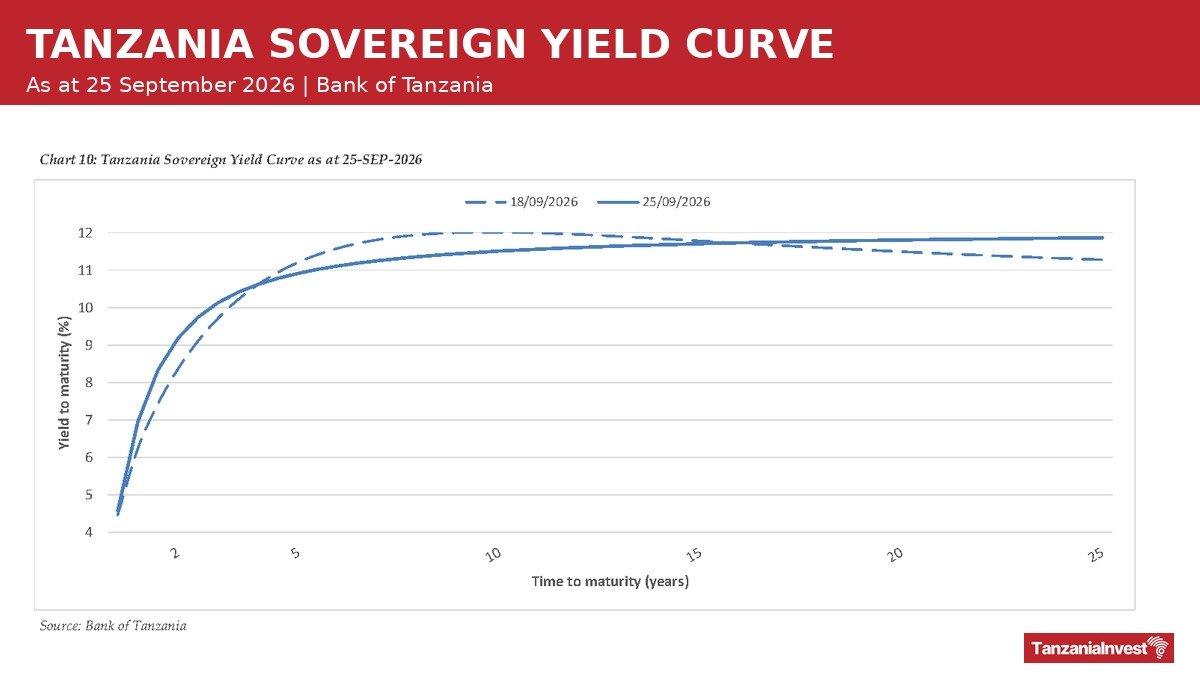
Tanzania's shilling weakened to 2,645.45 TZS per US dollar for the week ending September 25, 2026, a gradual depreciation reflecting regional pressure on East African currencies. The weakening occurred alongside rising interbank borrowing rates, which climbed to 6.79%, signaling tightening liquidity conditions and reduced central bank support. This easing of the shilling comes amid broader East African currency weakness and contrasts with Kenya's shilling, which traders note has displayed relative stability due to consistent foreign inflows and reserve strength.
Local view
Nigeria: Local media outlets including Within Nigeria and Arbiterz have highlighted the narrowing spread between official and parallel markets as a sign of improved CBN forex management. Reports emphasize the contribution of increased dollar liquidity from oil revenue stabilization and the CBN's continued enforcement of its electronic foreign exchange matching platform established post-June 2023.
Egypt: Egyptian financial media, including Al Borsaa and Al Khaleej, have tracked the pound's recovery as linked to seasonal remittance inflows and sustained central bank intervention. Coverage notes that the 52.05–52.19 band represents a "comfortable zone" for importers and exporters, though analysts warn of risks from persistent import pressure.
France (French Treasury): France's economic intelligence agency reported on September 29 that Nigeria's central bank has cut its policy rate to 23%, with local analysts monitoring implications for credit costs and inflation passthrough. The rate cut is seen as supportive of naira stability through improved competitiveness of Nigerian assets.
Context & numbers
Official and Parallel Market Rates (as of September 30, 2026):
- Nigeria Naira: NAFEM ₦1,331.00/$ (settled), CBN ₦1,330.47/$; Parallel ₦1,382/$; Spread ₦39/$
- Egyptian Pound: 52.05 (buy) / 52.19 (sell) per USD (CBE mid-week close)
- Tanzania Shilling: 2,645.45 TZS/USD (week to Sept 25)
- Kenya Shilling: CBK market data tracking—traders expect relative stability
Nigeria FX Reserves & Forex Liquidity:
- Official reserves reported at approximately $54.86 billion as of late September, supporting sustained dollar availability in the NAFEM market
- The narrowing official-parallel spread (from ₦46/$ on Sept 24 to ₦39/$ on Sept 30) reflects improved transparency and reduced arb opportunities on the CBN's electronic FX platform
Regional Central Bank Policy (Recent Signals):
- Nigeria's CBN cut its policy rate to 23% in late September, signaling a shift toward growth support while maintaining inflation vigilance
- Ghana and Uganda's central banks have signaled caution but face currency weakness despite policy restraint, indicating structural rather than monetary drivers
On the radar
-
CBN MPC Meeting: The Central Bank of Nigeria held its 307th Monetary Policy Committee meeting on September 22, 2026, with Governor Olayemi Cardoso signaling continued commitment to forex reforms and market transparency. Watch for any October policy adjustments.
-
East African Regional Dynamics: Kenya's shilling resilience amid Uganda and Tanzania weakening may prompt BoU and BoT coordination discussions on monetary policy alignment in Q4 2026, particularly if EAC trade imbalances widen further.
-
Egypt Import Financing Cycle: Late September's pound strength is seasonal; monitor October payment flows for year-end corporate import settlements, which historically pressure the pound mid-month.
-
Sudan Currency Redenomination: Khartoum announced plans in late September to redenominate its currency amid runaway inflation, signaling contagion risk to neighboring FX markets, though direct impact on Nigeria, Egypt, and Kenya remains limited so far.
Data compiled from CBN official rates, central bank statements, market monitoring platforms, and regional financial media. All rates reflect close of business or latest intraday quotations on or before September 30, 2026.
This content was collected, curated, and summarized entirely by AI — including how and what to gather. It may contain inaccuracies. Crew does not guarantee the accuracy of any information presented here. Always verify facts on your own before acting on them. Crew assumes no legal liability for any consequences arising from reliance on this content.
Powered by
