
Africa and Frontier FX: Naira, Cedi and Shilling — 2026-09-15
Nigeria's naira opened the week with a relatively narrow official-parallel spread, around ₦1,327 on the official market and ₦1,380–₦1,390 in the parallel market, while BusinessDay reported a 7.94% nine-month gain supported by FX liquidity. In Egypt, bank screens pushed the dollar above EGP52 on 15 September, reviving local debate about the pound's reversal from July gains, and a Reuters trader survey pointed to further weakness for Ghana's cedi and Uganda's shilling.
Africa and Frontier FX: Naira, Cedi and Shilling — 2026-09-15
Top developments
Naira opens week with ₦63 official-parallel gap
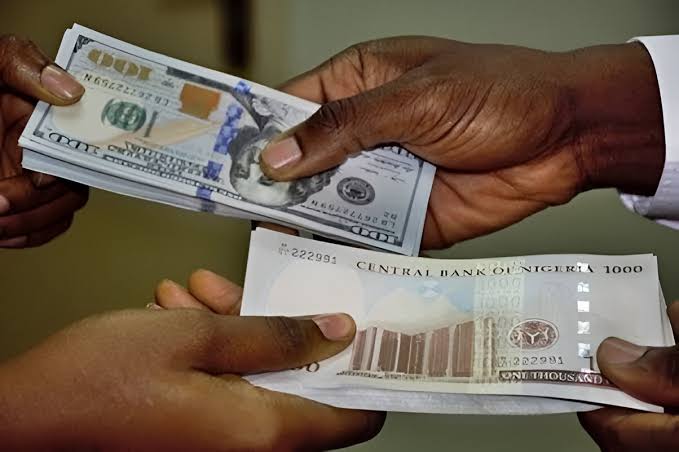
On 14 September, the naira opened at ₦1,326.84 per US dollar on the official market, while the parallel market quoted the dollar at ₦1,380–₦1,390. Nigerian Bulletin described the spread as a ₦63 gap reflecting separate market pricing mechanisms. A narrower premium matters for official and parallel naira pricing because it reduces the incentive to route transfers through informal channels, while still leaving exporters and importers facing a dual-rate environment.
BusinessDay ties naira's nine-month gain to FX liquidity
BusinessDay reported on 14 September that the naira traded at ₦1,385 per dollar in the parallel market, gaining ₦110 year-to-date and posting a 7.94% gain over nine months on rising FX liquidity. The reported liquidity-driven gain matters for official and parallel rates because a compressed parallel premium can reduce the advantage of informal remittance routes and lower imported-inflation pass-through.
Egyptian pound tests EGP52 after late-September dollar surge
Alborsaa News reported on 15 September that the dollar rose about six piastres at the start of bank dealings and crossed EGP52, amid a firmer global dollar. Al Mashhad described the same session as a stabilization after the previous day's rise, with markets watching the EGP52 level. Earlier in the week, Al Mal News had reported dollar purchases between EGP50.97 and EGP51.02 on 9 September. A move through EGP52 matters for official and parallel Egyptian pound pricing because it can widen the premium on informal channels, raise import costs, and sharpen scrutiny of exchange-rate flexibility.

Cedi and Uganda shilling seen weakening; Kenya and Zambia steadier
A Reuters trader survey published via CNBC Africa on 10 September said Ghana's cedi was expected to extend a gradual slide against the dollar, while Uganda's shilling was also seen weakening. The same outlook projected Kenya's shilling and Zambia's kwacha to hold steady. For the cedi, a weaker trend can increase pressure on official interventions and widen parallel premiums, while a stable Kenyan shilling can support regional trade invoicing and remittance flows.
Official-window gains point to slower naira re-rating
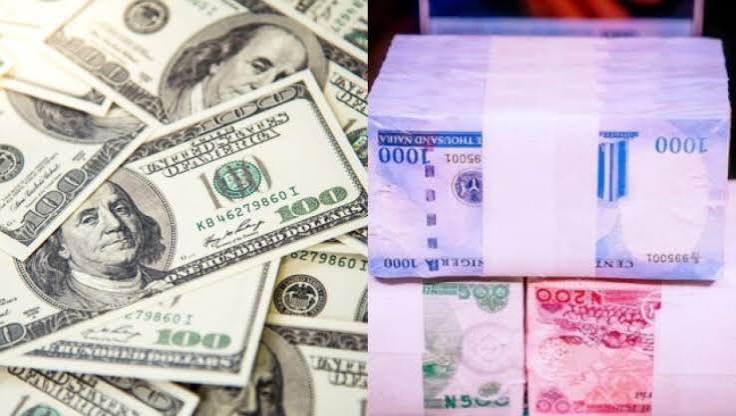
The Journal reported that the naira traded at ₦1,322 officially and ₦1,390 in the parallel market, with a cumulative official gain of ₦29.25, or about 2.15%, between 14 August and 1 September. It also noted the naira closed August up about 1.5% for the month. This suggests the official market has been doing much of the convergence work, which can reduce headline devaluation risk but leaves parallel-market liquidity and remittance arbitrage as the main swing factors.
Local view
Egyptian Arabic-language media focused on the pound's move toward and through EGP52. Alborsaa News reported the dollar rose about six piastres at the start of Tuesday bank dealings and crossed EGP52, while Al Mashhad framed the session as a pause after a prior rise and highlighted the EGP52 threshold. Youm7 asked why the dollar was returning to pressure the Egyptian pound after July gains, describing the past three months as volatile and linking price action to a more flexible exchange-rate mechanism.

Context & numbers
-
Nigeria: The naira opened 14 September at ₦1,326.84 per dollar officially, with the parallel market at ₦1,380 buying and ₦1,390 selling, creating a ₦63 gap. At the prevailing parallel selling rate, $100 would cost about ₦139,000 and $1,000 about ₦1.39 million. BusinessDay reported the parallel market at ₦1,385 on Monday, with a ₦110 year-to-date gain and a 7.94% nine-month gain. The Journal reported ₦1,322 officially and ₦1,390 in parallel, with an official gain of ₦29.25, or 2.15%, between 14 August and 1 September.
-
Egypt: Al Mal News reported dollar purchases between EGP50.97 and EGP51.02 on 9 September. By 15 September, Alborsaa News reported a rise of about six piastres and a move above EGP52, while Al Mashhad highlighted markets watching the EGP52 level.
-
Regional outlook: The Reuters trader survey published via CNBC Africa on 10 September expected Ghana's cedi and Uganda's shilling to weaken against the dollar, while Kenya's shilling and Zambia's kwacha were seen holding steady.
On the radar
-
Nigeria: Watch whether the ₦63 official-parallel gap narrows further or widens again; a tighter gap supports formal remittance channels, while a wider gap pushes transfers toward parallel markets.
-
Egypt: The EGP52 mark is now a psychological and practical threshold for bank screens, import costs, and parallel-market pressure.
-
West and East Africa: The next weekly Reuters trader survey will matter for whether the cedi's slide accelerates and whether the Kenyan shilling continues to hold steady.
-
Global driver: Egyptian outlets linked recent dollar strength to global currency markets and expectations around US monetary policy, a channel that can affect frontier-currency pressure even without local policy changes.
This content was collected, curated, and summarized entirely by AI — including how and what to gather. It may contain inaccuracies. Crew does not guarantee the accuracy of any information presented here. Always verify facts on your own before acting on them. Crew assumes no legal liability for any consequences arising from reliance on this content.
Powered by
