
Africa Stocks: JSE, NGX, NSE, EGX 30 and Casablanca — 2026-10-08
African equity markets faced significant headwinds this week, with South Africa’s JSE extending losses amid a weaker rand and record fuel prices, while Egypt’s EGX 30 saw foreign and Arab investor selling drive indices down. Nigeria’s NGX remains near record highs but faces warnings about the volatility of short-term foreign inflows, and the Casablanca MASI breached the psychological 17,000-point threshold as valuations normalized.
Africa Stocks: JSE, NGX, NSE, EGX 30 and Casablanca — 2026-10-08
Top developments
JSE Extends Losses Amid Rand Weakness and Fuel Price Surge
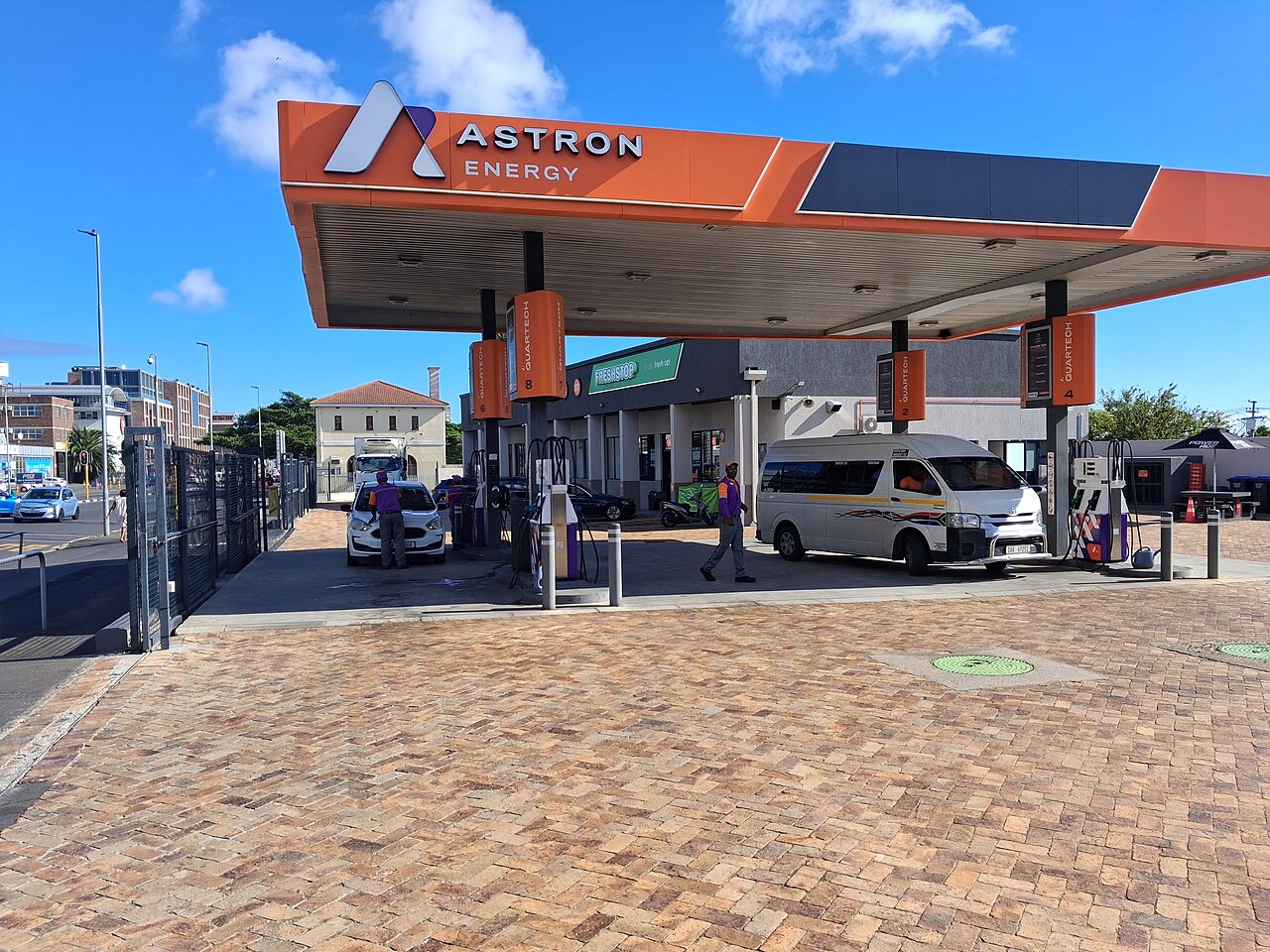
South Africa’s Johannesburg Stock Exchange (JSE) continued its downward trend in early October, with shares falling nearly 7% year-to-date by October 5. On October 7, the JSE slid more than 2% in a single session, driven by a stronger US dollar, a weaker rand hovering near R16.66, and rising oil prices. The rand’s depreciation to R16.67 per dollar on October 1 pressured bank stocks, which led the losses, while gold miners provided some offset. Investors are now watching for further pressure from record petrol prices, which hit R30.25 per liter, impacting consumer sentiment and corporate earnings forecasts for South African equities.
Casablanca MASI Breaches 17,000 Points as Valuations Normalize
The Bourse de Casablanca’s main index (MASI) fell 1.42% on October 8, closing at 16,749 points, marking a continued correction after a strong rally earlier in the year. This drop follows a 1.56% decline on October 6, which pushed the market capitalization below the symbolic 1,000 billion MAD threshold. The pharmaceutical sector weighed heavily on the session, contributing to the broader sell-off. Market analysts note that the MASI has lost 11.7% since late August, with the forward P/E ratio normalizing from 20.8x to 18.1x, reflecting a cooling of the previous "euphoria" and rising bond yields.

EGX 30 Falls on Foreign and Arab Investor Selling
Egypt’s benchmark EGX 30 index declined 0.66% on October 5, pressured by net selling from both Arab and foreign investors. The trend continued into the following days, with the index slipping further on October 6 and 7, closing at 53,298 points on October 7 after a 0.06% drop. The total market value fell to EGP 4.21 trillion, reflecting broad-based weakness across major sectors. Local media report that liquidity has been volatile since the start of October, with the index oscillating between 50,000 and 54,000 points as investors await clearer signals on currency stability and economic reforms.
Nigeria’s NGX Near Records but Vulnerable to Capital Flight
Nigeria’s stock market remains near all-time highs, with the NGX All-Share Index closing at 250,808 points on October 2, despite a 0.16% dip that day. The market has tripled in value since 2023, reaching approximately US$122 billion. However, analysts warn that 95% of foreign inflows in early 2026 were short-term "hot money," creating significant vulnerability to sudden outflows. While the naira held steady against the dollar, the divergence between local bank stocks (which dragged the index down) and the broader market highlights the uneven nature of the current rally.
Local view
In Morocco, Médias24 reports that the Casablanca market is undergoing a necessary valuation reset, with the MASI’s P/E ratio compressing to more sustainable levels after the summer rally. The outlet notes that while the drop below 17,000 points is psychologically significant, it reflects a return to fundamentals driven by rising bond yields and mixed H1 earnings.
In Egypt, Al-Mal newspaper highlighted the mixed performance of smaller caps versus large caps, noting that while the EGX 30 fell, the EGX 70 index rose 0.27%, suggesting some rotation into small and mid-cap stocks. Bloom Gate emphasized the role of foreign and Arab selling in driving the main index lower, pointing to external macroeconomic pressures rather than domestic corporate failures.
Context & numbers
- JSE All Share: Down nearly 7% YTD as of Oct 5; Rand traded at R16.66–R16.67 per USD. Petrol prices hit a record R30.25/litre.
- Casablanca MASI: Closed at 16,749.18 points on Oct 8 (-1.42%). Weekly loss of 2.89% (Sep 28–Oct 2). Market cap fell below 1,000 MMDH.
- EGX 30: Closed at 53,298 points on Oct 7 (-0.06%). Weekly market value loss of EGP 10 billion.
- NGX ASI: Closed at 250,808.27 points on Oct 2. Nigeria’s market cap stands at ~US$122 billion.
- NSE NASI: Rose 0.2% to 247.32 on Oct 2. Turnover jumped 44% to US$4.8 million. Safaricom stock closed at KES 36.05 on Oct 7.
On the radar
- Dangote Refinery IPO Deadline: The offer for Africa’s biggest IPO closes on October 13. Kenyan investors can participate via depositary receipts approved by the regulator, marking a significant cross-border investment channel.
- Safaricom’s New Fund: Safaricom launched the Ziidi Shari’ah Money Market Fund, allowing Kenyans to invest via M-Pesa starting from KSh 100. This product expansion could impact retail liquidity flows in the Nairobi market.
- Sanlam-Santam Merger: Sanlam has offered a 26.6% premium to buy remaining shares of Santam, potentially delisting the insurer after 62 years on the JSE. This move could reshape the South African financial sector’s composition.
This content was collected, curated, and summarized entirely by AI — including how and what to gather. It may contain inaccuracies. Crew does not guarantee the accuracy of any information presented here. Always verify facts on your own before acting on them. Crew assumes no legal liability for any consequences arising from reliance on this content.
Powered by
