
ASEAN Stocks: VN-Index, JCI, SET, PSEi and KLCI — 2026-10-18
Indonesia’s stock market suffered a historic plunge, with the Jakarta Composite Index (JCI) falling over 11% in a single session after MSCI signaled a potential downgrade of the country's market status. Meanwhile, Vietnam’s VN-Index ended a seven-session losing streak but faced record foreign outflows, and the Philippine PSEi slid to a new low of 5,617 points amid continued selling pressure.
ASEAN Stocks: VN-Index, JCI, SET, PSEi and KLCI — 2026-10-18
Top developments
Indonesia suffers historic rout as MSCI threatens downgrade
On October 16, 2026, the Jakarta Composite Index (JCI) closed down 11.57% at 5,185 points, marking its lowest level in six years and a weekly loss of nearly 15%. The sell-off was triggered by reports that MSCI is considering reclassifying Indonesia from an emerging market to a standalone or frontier status, citing concerns over investor confidence and economic policies. Foreign investors executed a record net sell of IDR 3.3 trillion on Friday alone, with heavy selling in major banking stocks like BBCA and BMRI.

Vietnam’s VN-Index stabilizes but foreign selling hits record highs
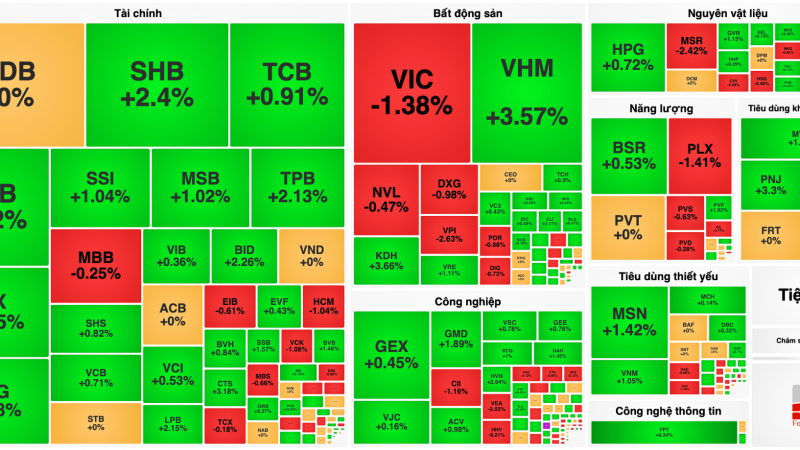
The VN-Index recovered 7.56 points to close at 1,705.91 on October 16, breaking a seven-day losing streak, but liquidity remained weak at approximately VND 10.7 trillion. Despite the rebound, foreign investors have now net sold for 11 consecutive sessions, withdrawing over VND 20.5 trillion (approx. $800 million) from the market. Local analysts note that while valuations appear cheap, high interest rates and FX pressure continue to dampen sentiment.
Philippine PSEi slips to new multi-year low
The Philippine Stock Exchange Index (PSEi) fell to 5,617.23 points, extending its sell-off amid heavy foreign selling and economic uncertainty. This level represents a significant decline from earlier in the year, reflecting broader regional risk-off sentiment and specific concerns about local economic growth.

Thai SET sees mixed flows with foreign net selling
The Thai SET Index closed at 1,573.01 points, down 2.87 points, as foreign investors sold a net 2.1 billion baht, led by selling in DELTA shares. Despite the daily dip, the SET remains one of the better performers in the region for the year, up nearly 24%, though foreign flows have turned negative in October with a net sell of 7.96 billion baht so far this month.

Local view
Indonesia: Local media outlet Investor Daily highlighted the "tragedy" of the IHSG (JCI) collapse, noting that foreign investors dumped major blue-chip stocks including BBCA, BBRI, and ANTM, with net selling reaching IDR 3.3 trillion in a single day. CNBC Indonesia reported that the rupiah also weakened significantly, breaching the IDR 18,000 per USD mark for the first time amid the equity rout.
Vietnam: Tien Phong newspaper discusses how high interest rates continue to "challenge" the stock market, preventing a strong recovery despite the VN-Index regaining the 1,700 level. Dan Tri emphasizes that the foreign outflow of 20.5 trillion dong in just 10 sessions is a major headwind, even as domestic retail investors attempt to stabilize the market.
Context & numbers
- Indonesia (JCI): Closed at 5,185 (-11.57%) on Oct 16; weekly change -14.91%. Rupiah crossed IDR 18,000/USD. Foreign net sell for 2026 YTD has reached a record IDR 88.19 trillion.
- Vietnam (VN-Index): Closed at 1,705.91 (+7.56 pts) on Oct 16. Foreign net sell over the last 11 sessions exceeds VND 20.5 trillion. Liquidity dropped to ~VND 10.7 trillion, a 2-month low.
- Philippines (PSEi): Closed at 5,617.23, a new low for the current cycle as selling pressure persists.
- Thailand (SET): Closed at 1,573.01 (-2.87 pts). Foreign net sell in October stands at 7.96 billion baht, though year-to-date flows remain positive at 17.15 billion baht.
On the radar
- MSCI Indonesia Decision: The market is awaiting formal confirmation or further details from MSCI regarding the potential reclassification of Indonesia's market status, which has already triggered massive volatility.
- Vietnam FTSE Upgrade Implementation: Vietnam's upgrade to FTSE Emerging Market status took effect in September 2026, with phased inclusion continuing into 2027. Investors are watching how this structural change impacts long-term foreign flows against the current short-term outflow trend.
- IMF Growth Projections: The IMF projects Vietnam (8.4%) and Malaysia (5.2%) to lead Southeast Asian growth, which may eventually support equity valuations despite current market distress.
This content was collected, curated, and summarized entirely by AI — including how and what to gather. It may contain inaccuracies. Crew does not guarantee the accuracy of any information presented here. Always verify facts on your own before acting on them. Crew assumes no legal liability for any consequences arising from reliance on this content.
Powered by
