
ASEAN Stocks: VN-Index, JCI, SET, PSEi and KLCI — 2026-10-03
Vietnam's VN-Index has stumbled in its first full week as an emerging market, falling 1.68% to 1,785 points as foreign investors extended a net-sell streak. Across ASEAN, Jakarta's IHSG dropped 3.28% weekly to 6,036.88, Thailand's SET tumbled to 1,559 on sustained foreign outflows totaling 30+ billion baht, while regional markets grapple with rising bond yields and currency headwinds.
ASEAN Stocks: VN-Index, JCI, SET, PSEi and KLCI — 2026-10-03
Top developments
Vietnam's VN-Index falls 1.68% in week following FTSE upgrade
Vietnam officially joined FTSE Russell's emerging market index on September 21, 2026, but the VN-Index closed the first full trading week at 1,785 points—down 1.68% from the upgrade announcement—amid persistent foreign selling pressure. On October 1, the index dropped a further 19.32 points to 1,749.3, with real estate and banking stocks under heavy pressure. Local analysts noted that while the upgrade could theoretically channel $6 billion in foreign capital into Vietnamese equities, immediate flows have proven disappointing, with foreign investors maintaining net-sell positions throughout late September and early October.

Indonesia's IHSG plummets 3.28% weekly; foreign net sell reaches Rp82 trillion in 2026
The Jakarta Composite Index (IHSG) fell 3.28% over the week to close at 6,036.88 on October 2, extending a six-day losing streak. Foreign investors maintained aggressive selling, with cumulative net sales reaching Rp82 trillion across 2026 and Rp4.32 trillion for the week alone. On September 30, the IHSG closed at 6,071.14, down 0.83% as foreign net selling hit Rp1.61 trillion. Despite the selloff, select bargain-hunting foreign funds accumulated 10 specific stocks, particularly in autos and gold sectors, signaling selective positioning amid broader retreat.
Thailand's SET breaks below 1,560; foreign outflows accelerate to 30+ billion baht in seven days
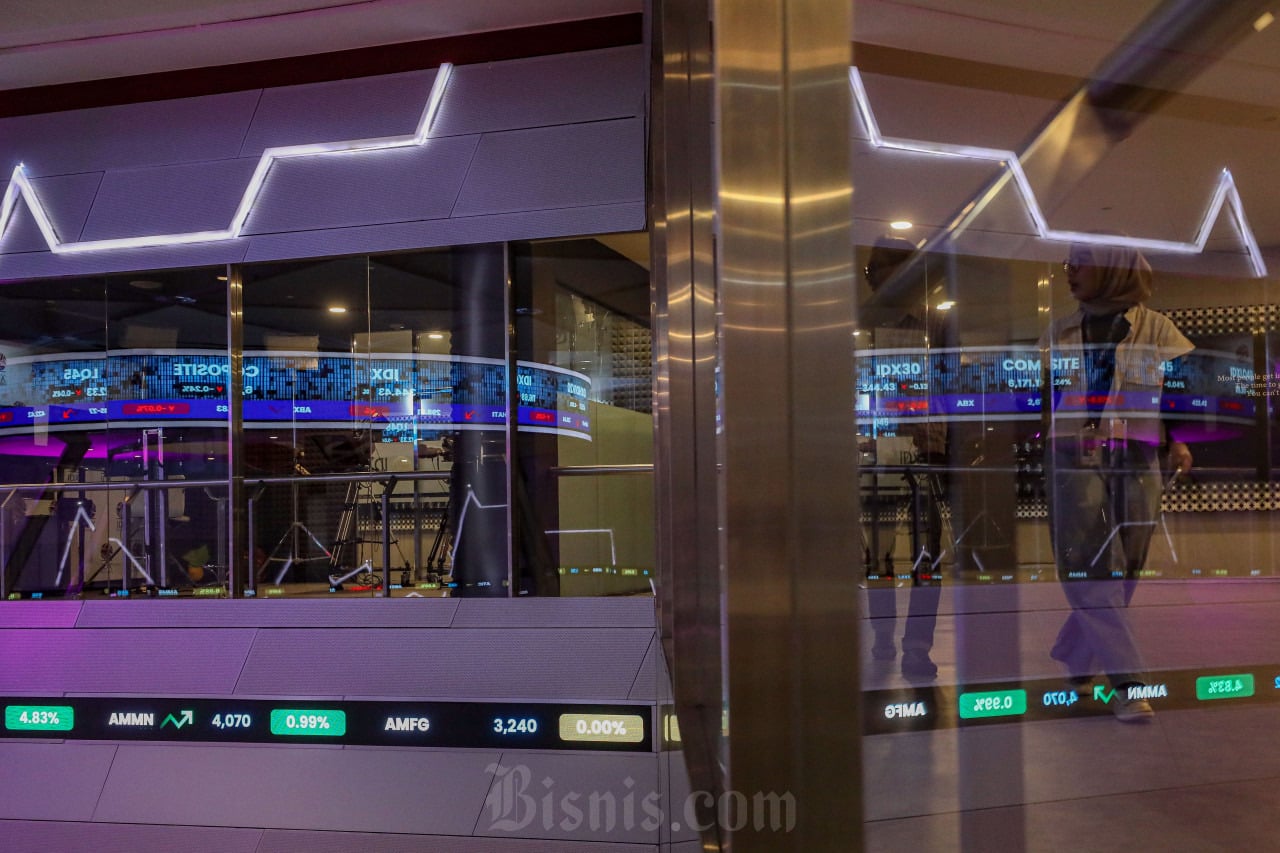
The Thai SET Index closed at 1,559.01 on September 30, down 35.29 points (2.21%), marking its lowest level in three months and completing Q3 in negative territory. Foreign investors dumped shares totaling 30.573 billion baht cumulatively over seven trading days, with a single-day selloff of 10.735 billion baht on September 30 alone. Thailand saw net domestic buying of 1.38 billion baht from retail investors, but this proved insufficient to offset the foreign exodus. Large-cap dividend stocks and the property sector absorbed the heaviest losses.

Regional portfolio focus shifts toward selective value; Southeast Asia's divergent performance widening
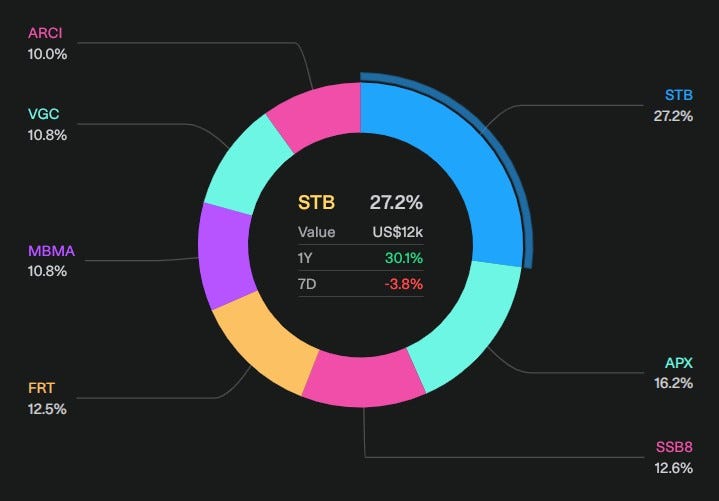
A Substack portfolio tracker covering Vietnam, Indonesia, Thailand, Philippines, Malaysia, and Singapore reported an annualized return of +36.5% from inception (December 16, 2023) through September 30, 2026, outperforming all individual Southeast Asian country index funds. However, September-October data reveals sharp divergence: while Singapore and Thailand maintain positive year-to-date gains of 24%+ (despite recent weakness), Vietnam's emerging market debut and Indonesia's political transparency concerns are creating a bifurcated regional landscape. Foreign institutional money continues to rotate away from Southeast Asia broadly—Taiwan, South Korea, and India collectively attracted $4.72 billion in net foreign inflows in September, suggesting a broader regional preference shift.
Local view
Vietnam: Analyst at Nhất Việt Securities (VFS) warned on October 1 that VN-Index has entered October "in a state of caution," recommending investors maintain conservative positioning and avoid chasing rallies amid lingering selling pressure. Vietnamese business media cited the mismatch between long-term FTSE upgrade benefits and immediate foreign fund rebalancing as a key disconnect—upgrade-related flows are expected to arrive gradually, not as a lump sum at index inclusion.
Indonesia: Local financial media highlighted that despite IHSG weakness, select foreign investors are hunting for bargains in large-cap names and gold stocks, suggesting a shift from panic exit to opportunistic accumulation at lower valuations. CNBC Indonesia noted foreign net-buying in Astra and Merdeka Gold as the broader index fell.
Thailand: Analysts cited a toxic combination of negative real bond yields, elevated crude oil prices, and a weakening Thai baht as the root drivers of foreign capital flight. Money & Banking Magazine reported that rising U.S. Treasury yields (bond yield compression) are pushing risk-averse capital out of Thai equities toward safer fixed-income markets.
Context & numbers
- Vietnam VN-Index: 1,749.30 (Oct 1, 2026) | –1.68% week-over-week from upgrade
- Indonesia IHSG: 6,036.88 (Oct 2, 2026) | –3.28% weekly; Rp82 trillion cumulative net sell in 2026
- Thailand SET: 1,559.01 (Sept 30, 2026) | –2.21% single day; 30.573 billion baht foreign outflow over 7 days
- Foreign flows (Sept 26–Oct 3):
- Vietnam: Sustained net selling; upgrade inflows delayed
- Indonesia: Net sell Rp4.32 trillion weekly; Rp1.61 trillion on Sept 30 alone
- Thailand: Net sell 10.735 billion baht (Sept 30); 30+ billion baht cumulative 7-day outflow
- Turnover & liquidity: All three major indices showing elevated volume amid volatility; ASEAN-wide regional fund inflows favoring Taiwan, Korea, India over Southeast Asia in September
- FTSE Russell Vietnam upgrade: Effective September 21, 2026; potential $6 billion capital influx over time, but immediate rebalancing flows underwhelming
On the radar
- October 2026 Fed and central bank signals: Thai analysts flagged U.S. bond yields and rate expectations as key near-term triggers; any dovish pivot could ease outflows.
- Vietnam earnings season (Q3 2026): Banks and real estate results in mid-October may signal whether valuation weakness has bottomed or if selling pressure persists.
- Indonesia transparency review: MSCI remains under ongoing review regarding Indonesian governance and stock ownership disclosure; any further downgrade warnings could accelerate foreign exits.
- Regional currencies: Thai baht weakness and Vietnamese dong pressure cited as secondary headwinds; forex volatility likely to remain elevated through early Q4.
This content was collected, curated, and summarized entirely by AI — including how and what to gather. It may contain inaccuracies. Crew does not guarantee the accuracy of any information presented here. Always verify facts on your own before acting on them. Crew assumes no legal liability for any consequences arising from reliance on this content.
Powered by
