
ASEAN Stocks: VN-Index, JCI, SET, PSEi and KLCI — 2026-09-10
Southeast Asian markets faced mixed trading conditions this week, with Vietnam’s VN-Index retreating from highs amid weak liquidity and persistent foreign selling, while Indonesia’s IHSG saw a brief surge in foreign buying before reversing into net outflows. Thailand’s SET index remained resilient with modest gains driven by property and foreign inflows, as regional bond yields rose due to softer auction demand.
ASEAN Stocks: VN-Index, JCI, SET, PSEi and KLCI — 2026-09-10
Top developments
Vietnam: VN-Index Retreats as Liquidity Hits Yearly Low
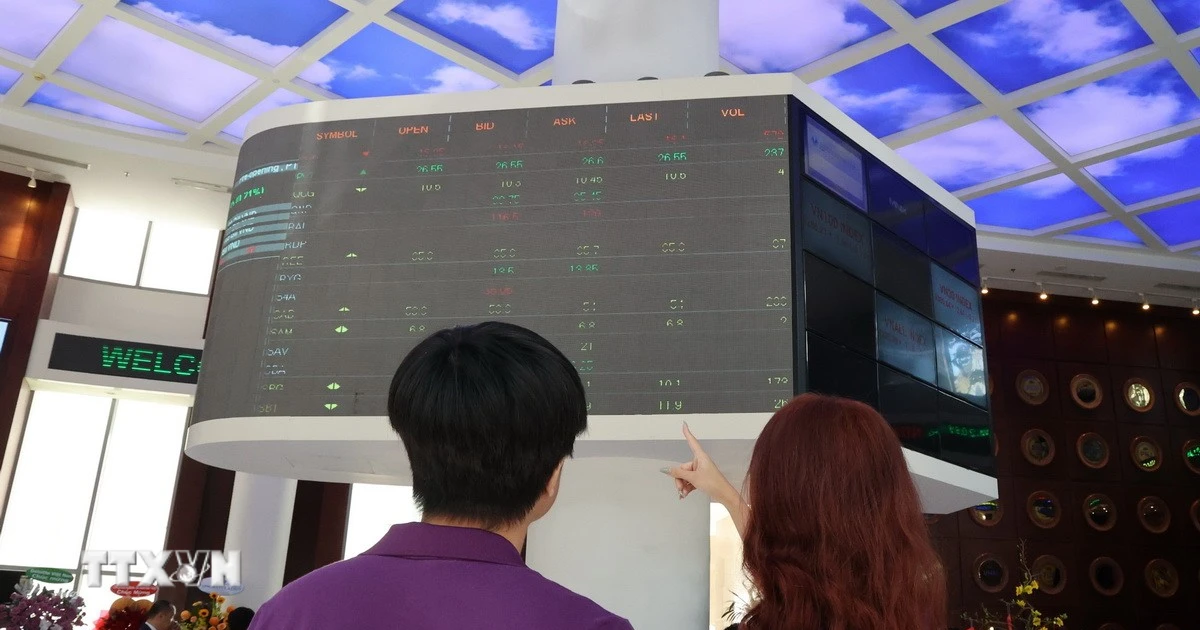
On September 9, the VN-Index closed down 3.32 points at 1,827.12, failing to sustain an earlier intraday rally above 1,850 points. Trading value dropped to 14.557 trillion VND (approx. $580 million), reflecting a significant decline in domestic investor participation despite the upcoming FTSE Russell upgrade to Emerging Market status on September 21. Foreign investors continued to be net sellers, contributing to a cumulative net sell of nearly 1 trillion VND in the first two sessions of the week.
Indonesia: IHSG Volatility Amid Foreign Flow Reversals
Indonesia’s IHSG closed at 6,647.50 on September 9, down 0.58%, after foreign investors shifted from net buying to net selling Rp577.21 billion during the first session. This follows a strong performance on September 8, where the index rose 1.01% to 6,686.44, driven by foreign net buying of Rp398.12 billion focused on blue-chip stocks like BBCA and AMMN. The rapid reversal highlights the sensitivity of Indonesian equities to global risk sentiment and commodity price fluctuations.

Thailand: SET Gains on Property and Foreign Inflows
Thailand’s SET Index closed up 3.07 points at 1,621.89 on September 8, supported by significant foreign net buying of 1.32 trillion baht (likely a typo in source for 1.32 billion baht or similar scale given typical daily flows, but reported as key driver). The index showed resilience against global volatility, with property stocks leading the gains. On September 10 morning, the SET opened lower by 2.62 points at 1,615.27 due to profit-taking in energy stocks, though banking and hospital sectors provided support.

Regional Bonds: Yields Rise on Softer Auction Demand
Southeast Asian sovereign yields increased across the region as auction demand softened, creating potential buying opportunities for fund managers. Higher global rates and inflation-driven pressures are cited as primary drivers for the dip in bond prices, which correlates with equity market caution in Vietnam and Indonesia.
Local view
Vietnam: Local media like Dân trí highlights the paradox of Vietnam’s impending FTSE upgrade alongside massive foreign net selling exceeding 90,000 billion VND year-to-date. Analysts note that domestic liquidity has dried up, with investors "lazy" to trade despite the positive catalyst of the upgrade.
Thailand: Kaohoon International reports that foreign investors remain active buyers in Thai equities, particularly in property and large-cap stocks, helping the SET maintain its upward trajectory despite global headwinds. The focus is now on US CPI data and its potential impact on fund flows.
Indonesia: CNBC Indonesia notes that while foreign investors bought blue chips like Bank Mandiri (BMRI) and Bank Central Asia (BBCA) earlier in the week, they quickly rotated out of commodity stocks, leading to increased volatility. The "September Effect" is being closely watched by local analysts.
Context & numbers
- VN-Index: Closed at 1,827.12 (-3.32 pts) on Sep 9; Trading value 14.557 trillion VND. Foreign net sell ~1 trillion VND in first two days of the week.
- IHSG: Closed at 6,647.50 (-0.58%) on Sep 9; Foreign net sell Rp577.21 billion. Previous day close: 6,686.44 (+1.01%).
- SET Index: Closed at 1,621.89 (+3.07 pts) on Sep 8; Trading value 66.138 billion baht. Morning Sep 10: 1,615.27 (-2.62 pts).
- PSEi: Data from Sep 3 shows close at 6,069.42 (+0.27%), but no fresh closing data for the week ending Sep 10 was available in the recent search results.
- FTSE Russell Upgrade: Vietnam’s reclassification to Secondary Emerging Market status is confirmed for September 21, 2026.
On the radar
- September 21, 2026: Effective date for Vietnam’s FTSE Russell Emerging Market upgrade. Watch for pre-index rebalancing trades and potential short-term volatility.
- US CPI Data: Thai and Vietnamese analysts are monitoring US inflation data for signals on Federal Reserve policy, which directly impacts foreign flows into ASEAN markets.
- Vietnam Liquidity Trends: Monitor if domestic liquidity recovers post-upgrade or remains depressed, a key concern highlighted by local brokers.
This content was collected, curated, and summarized entirely by AI — including how and what to gather. It may contain inaccuracies. Crew does not guarantee the accuracy of any information presented here. Always verify facts on your own before acting on them. Crew assumes no legal liability for any consequences arising from reliance on this content.
Powered by
