
Asian Retail Investors: Seohak Ants to NISA and SIPs — 2026-09-02
South Korean retail investors have executed a massive rotation, pouring approximately 10 trillion won ($7 billion) into U.S. stocks over the last two months amid a domestic market correction. In India, foreign institutional buying hit a 23-month high in August, while Taiwan’s high-dividend ETFs continue to attract record investor participation with 00919 nearing 1.4 million holders.
Asian Retail Investors: Seohak Ants to NISA and SIPs — 2026-09-02
Top developments
Korean Retailers Shift $7B to US Amid Domestic Slump
Korean individual investors purchased a net $7.04 billion (approx. 10 trillion won) worth of U.S. stocks between July and August 2026, as they fled a bruising correction in the local KOSPI market. This outflow exceeded their net buying of domestic stocks during the same period by roughly 300 billion won, marking a decisive shift toward overseas assets like SOXL, SK Hynix ADRs, and Alphabet. The move highlights the "Seohak Ants'" strategy of seeking growth and yield outside of Korea when local valuations compress.

Regulatory Pressure Hits Korean Leveraged ETF Trading
The U.S. Blue Ocean Exchange suspended weekly price data for single-stock leveraged ETFs like SOXL after trading volumes from Korean retail investors exceeded SEC-defined limits. This regulatory friction has significantly dampened the "leveraged love" trend, with single-stock leveraged products disappearing from the top 50 net-buying lists for Korean investors in August, compared to 12 such products in June. The move forces Seohak Ants to either accept "blind orders" or shift to sector-based leveraged ETFs, which remain popular.
Foreign Flows Return to Indian Equities at 23-Month High
Foreign institutional investors turned into net buyers of Indian stocks in August, reaching a 23-month high according to depository data. This surge was driven by strong corporate earnings and central bank support, reversing previous months of outflows. While domestic SIP inflows remain robust, the return of foreign money provides critical liquidity support to the Nifty and Sensex, which had been lagging behind global peers.
Taiwan’s High-Dividend ETF Mania Continues
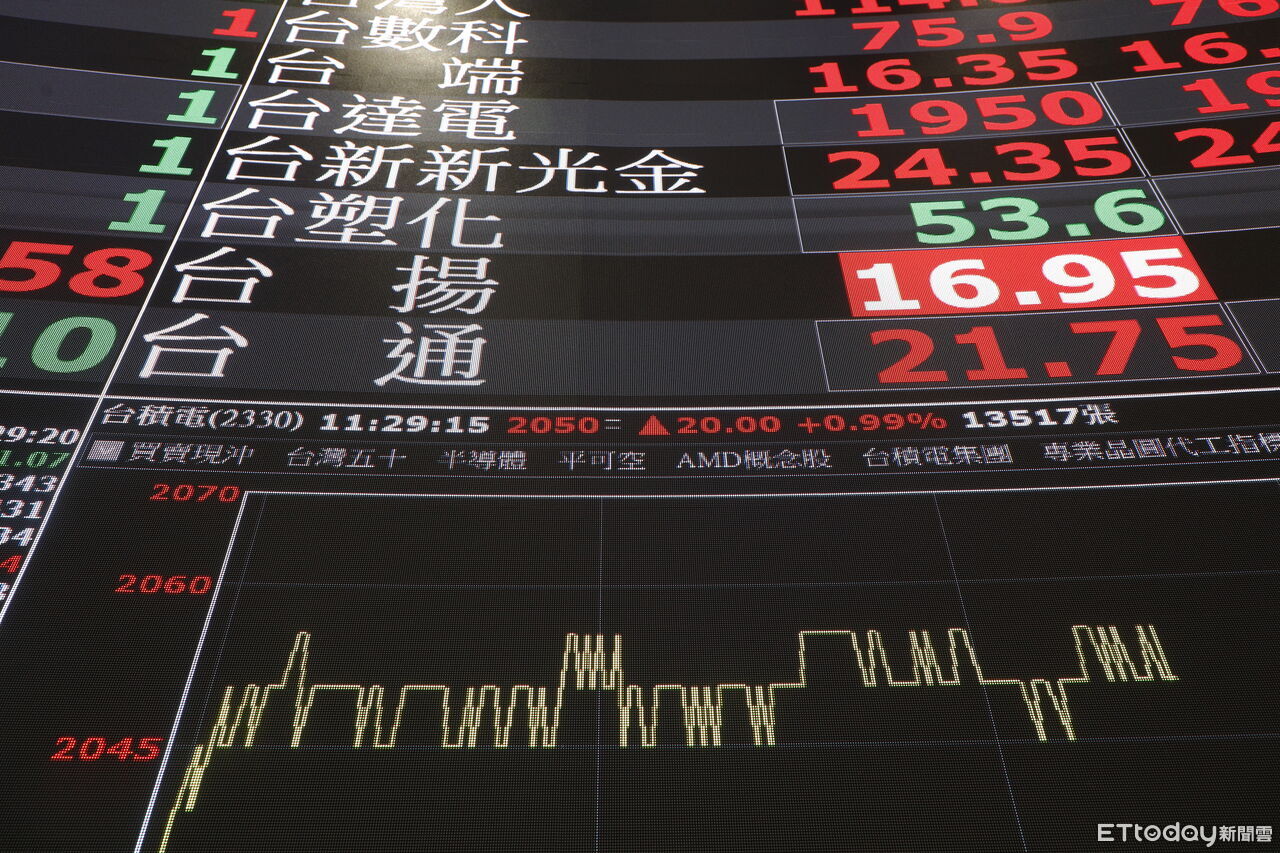
Taiwan’s high-dividend ETF 00919 (Group S&P High Dividend) has attracted nearly 1.4 million investors, with its unit price hitting record highs following NVIDIA’s strong earnings report. The broader Taiwan ETF market saw seven different funds close at all-time highs on August 27, reflecting continued retail appetite for yield and AI-linked exposure. This "ETF mania" underscores the structural shift in Taiwan retail investing toward passive, high-income instruments.
Local view
Korea: Local media outlets like Maeil Business Newspaper (Mk) report that the regulatory crackdown on leveraged ETFs is causing frustration among retail investors who feel their primary tool for aggressive growth is being restricted. Chosun Biz notes that while single-stock leverage is down, demand has simply rotated into sector-based 3x leveraged ETFs, maintaining the overall risk profile of the "Seohak" cohort.
Japan: Nikkei reports that while August fund inflows increased for the first time in seven months, driven by overseas equity types, the momentum is slower than the explosive early-year NISA adoption rates. Local stakeholders are watching for signs of fatigue in the "NISA boom" as market volatility returns.
Context & numbers
- Korea US Stock Buying: Net $7.04 billion (10 trillion won) in July-August 2026.
- Korea Domestic Retail Net Buying: Plunged to 5.4 trillion won in August, a tenth of June levels, with 12 trillion won leaving the market entirely.
- India FII Flows: Foreign buying in August reached a 23-month high.
- Taiwan ETF Participation: 00919 has ~1.38 million beneficiaries; 7 ETFs hit record highs on Aug 27.
- China Margin Balances: As of Aug 6, total margin balance was 2.62 trillion yuan, with financing balances up 12.1 billion yuan day-over-day. (Note: Specific late-August daily data not available in fresh sources).
On the radar
- Korea: Watch for further regulatory responses from U.S. exchanges regarding Korean retail volume in leveraged products; potential for more "blind order" restrictions.
- India: Monitor if foreign inflows persist into September or if they were a one-month anomaly driven by specific earnings beats.
- Japan: Look for August NISA account opening statistics to see if the retail adoption rate is stabilizing or accelerating.
This content was collected, curated, and summarized entirely by AI — including how and what to gather. It may contain inaccuracies. Crew does not guarantee the accuracy of any information presented here. Always verify facts on your own before acting on them. Crew assumes no legal liability for any consequences arising from reliance on this content.
Powered by
