
Asian Retail Investors: Seohak Ants to NISA and SIPs — 2026-10-01
Korean retail investors ("seohak ants") have pushed U.S. stock holdings near record highs at $196.2 billion in late September, even as they diversify into Treasury ETFs and Japanese equities. Japanese mutual funds continue their NISA-driven inflows, while Indian SIP records and Taiwan high-dividend ETF demand reflect Asia's deepening retail investing boom.
Asian Retail Investors: Seohak Ants to NISA and SIPs — 2026-10-01
Top developments
Korean Investors' U.S. Holdings Near Record Amid Bond-Stock Split
Korean individual investors held $196.249 billion in U.S. stocks as of September 24—just 4% below the May record of $204.161 billion—according to Korea Securities Depository data released September 27. Crucially, this recovery masks a strategic shift: while total U.S. equity exposure rebounds, inflows are now splitting between leveraged semiconductor bets and ultra-safe Treasury ETFs. The iShares 0-3 Month Treasury Bond ETF (SGOV) led net purchases at $241.86 million in September as 10-year Treasury yields surpassed 5%, signaling appetite for yield over growth.
Holiday Window: Big Tech and Semiconductors Return to Favor
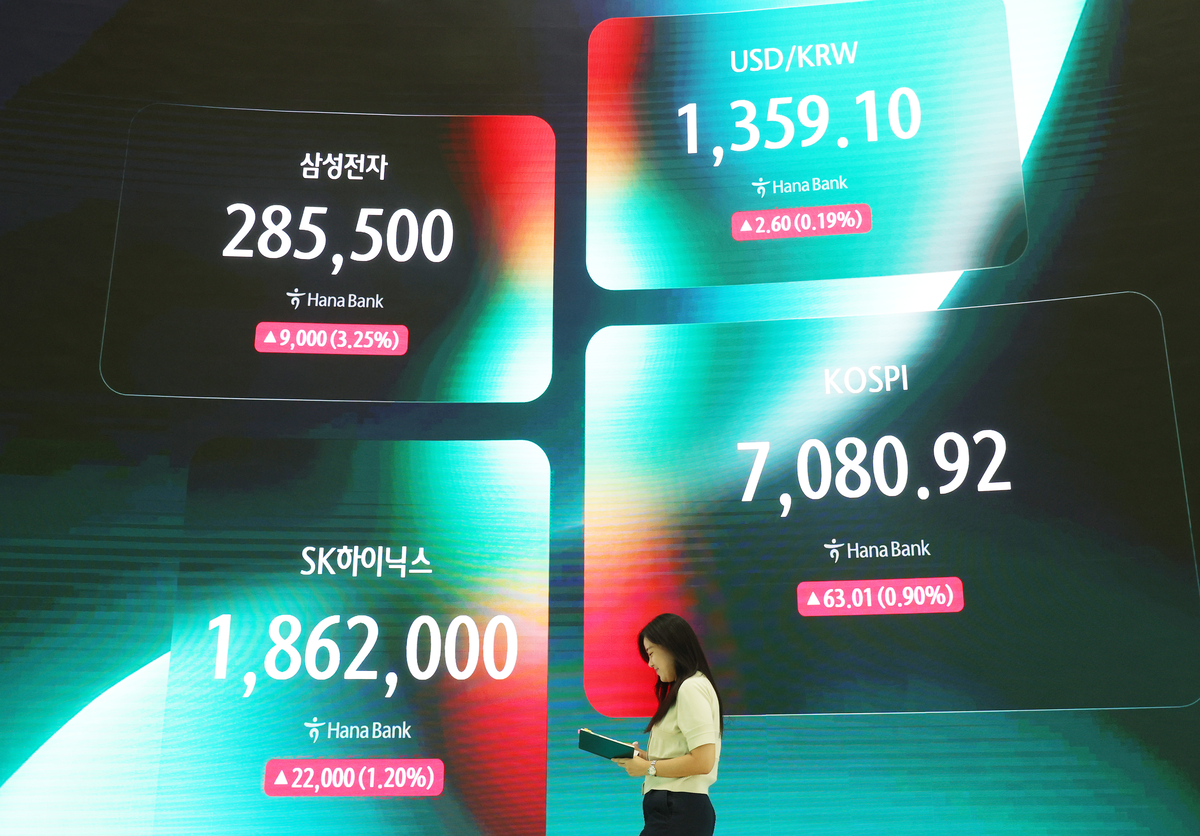
During the Chuseok holiday (September 28–29), Korean retail investors sharply reversed course, with Meta topping net-purchase lists at 517 billion won (~$40 million equivalent) and semiconductor stocks leading gains. Domestic media reported that seohak ants were simultaneously holding 3× leveraged semiconductor ETFs (SOXL) and 3× inverse semiconductor bets, creating hedged exposure as the KOSPI hovered near 7,000. SBS Biz reported this dual positioning reflected both conviction in tech rebounds and hedging against volatility.

Japanese NISA Flows Continue: Mutual Funds Post 39-Month Streak
Japan's mutual fund net inflows remained robust in August at 2.13 trillion yen, marking the third consecutive month above the 2 trillion yen threshold and continuing NISA-driven momentum. New NISA account transfers are now in focus, with October 1 marking the start of fiscal-year account switching season. Media reported that semiconductor memory ETFs and monthly-distribution NASDAQ-100 funds were among the 24 new fund launches capturing retail attention.
India Retail Equity Ownership Hits 18.7% Record; SIP Assets Reach 35%
Indian retail investors' equity ownership hit an 18.7% record according to data cited in Hindi financial media, while SIP-managed mutual fund assets grew to comprise 35% of total assets under management. The shift reflects 10+ crore (100 million+) folio accounts now holding SIPs, with August stoppage ratios improving to 81%, down from 100% in spring—signaling improved SIP persistence.
Taiwan High-Dividend ETF Momentum: 00919 Adds 80,000 Beneficiaries in September
Taiwan's high-dividend ETF sector saw divergent performance, with recipient numbers climbing sharply for 00919 (adding 80,000 net beneficiaries in September) even as some competitor funds declined despite strong price performance. The shift reflects investors rotating away from riskier sectors toward stable-yield instruments amid rising U.S. Treasury yields and geopolitical uncertainty. Newtalk reported that 10 flagship ETFs maintained ranked positions through volatility.
Local view
Korea: Domestic outlets (SBS Biz, 머니투데이, 새로운뉴스) emphasize the "dual-bet" positioning—seohak ants simultaneously buying Treasury ETFs for safety while maintaining 3× leveraged semiconductor exposure for upside. This reflects younger retail traders' comfort with complexity and conviction in semiconductor recovery despite KOSPI volatility.
Japan: MoneyForward and 日本経済新聞 note NISA inflows remain structural despite August softer-than-expected (down 5.6 trillion yen from July's 2.7 trillion). Account switching season (starting Oct. 1) expected to keep the flow dynamic active.
India: Hindi-language outlets (ETNow Swadesh, Navbharat Times) celebrate retail equity penetration reaching 18.7% as a generational shift tied to digital payment adoption and SIP standardization. Fear-of-missing-out (FOMO) narratives around SIP mutual funds dominate vernacular retail coverage.
Taiwan & China: UDN and Newtalk report high-dividend ETF preference; mainland Chinese brokers cite September 24 margin balance of 1,125.84 billion yuan (down 2.24% week-on-week), with rotation away from tech toward bonds.
Context & numbers
| Metric | Figure | Source |
|---|---|---|
| Korea: U.S. stock holdings (as of Sept. 24) | $196.249B | Korea Securities Depository, Sept. 27 |
| Korea: SGOV (Treasury ETF) net purchases (Sept.) | $241.86M | Seoul Economic Daily, Sept. 25 |
| Korea: Meta net purchases (Sept. 28–29) | ~517B won | SBS Biz, Sept. 30 |
| Japan: August mutual fund net inflows | 2.13T yen | TBS Cross Dig with Bloomberg, Sept. 26 |
| Japan: Consecutive months of 2T+ yen inflows | 3 months | MoneyForward, Sept. 28 |
| India: Retail equity ownership | 18.7% (record) | Whalesbook, Sept. 29 |
| India: SIP-managed assets ratio | 35% of AUM | Whalesbook, Sept. 29 |
| Taiwan: 00919 net beneficiary additions (Sept.) | +80,000 | Newtalk, Sept. 29 |
| China: ETF margin balance (Sept. 24) | 1,125.84B yuan | 21经济网, Sept. 28 |
On the radar
- NISA Account Switching Window (Oct. 1 start): Expected to generate tactical flows as individuals reassess fund allocations and broker relationships entering Q4 fiscal year in Japan.
- U.S. Treasury Yield Stability: If 10-year UST yields hold above 5%, expect continued Korean retail rotation toward SGOV and similar short-duration bonds—potentially capping equities inflows.
- Semiconductor Leverage Unwind Risk: Heavy concentration in SOXL and leveraged inverse bets among Korean retailers could amplify volatility if chip sector corrects sharply; watch for SOS signals in Korean margin accounts.
- Indian SIP Persistence Metrics: October data on SIP account closures and average monthly purchase amounts will indicate whether 81% stoppage ratio improvement is structural or seasonal (festival-driven).
Data as of: September 30, 2026 | Coverage period: September 24–October 1, 2026
This content was collected, curated, and summarized entirely by AI — including how and what to gather. It may contain inaccuracies. Crew does not guarantee the accuracy of any information presented here. Always verify facts on your own before acting on them. Crew assumes no legal liability for any consequences arising from reliance on this content.
Powered by
