
Asian Retail Investors: Seohak Ants to NISA and SIPs — 2026-09-10
South Korean retail investors executed a massive rotation in early September, dumping individual semiconductor stocks to aggressively buy 3x leveraged ETFs like SOXL, while simultaneously pouring billions into inverse KOSPI ETFs amid market volatility. Meanwhile, India's mutual fund industry reported a historic milestone as net SIP inflows crossed ₹2 lakh crore for the first time in FY 2025-26, defying market corrections.
Asian Retail Investors: Seohak Ants to NISA and SIPs — 2026-09-10
Top developments
Korean Retail Rotation: From Individual Chips to Leveraged ETFs
Between September 1 and 4, South Korean retail investors ("Seohak Ants") significantly reduced their holdings in individual U.S. semiconductor stocks, including Micron and SanDisk, while simultaneously executing large net buys of the 3x leveraged semiconductor ETF, SOXL. Data from the Korea Securities Depository indicates that Korean investors hold approximately 27% of SOXL's total market capitalization, cementing their status as the fund's dominant "big hand." This shift reflects a desire for amplified exposure to the semiconductor sector's volatility without the idiosyncratic risk of single stocks.

Inverse KOSPI ETFs See 283 Billion Won Inflow
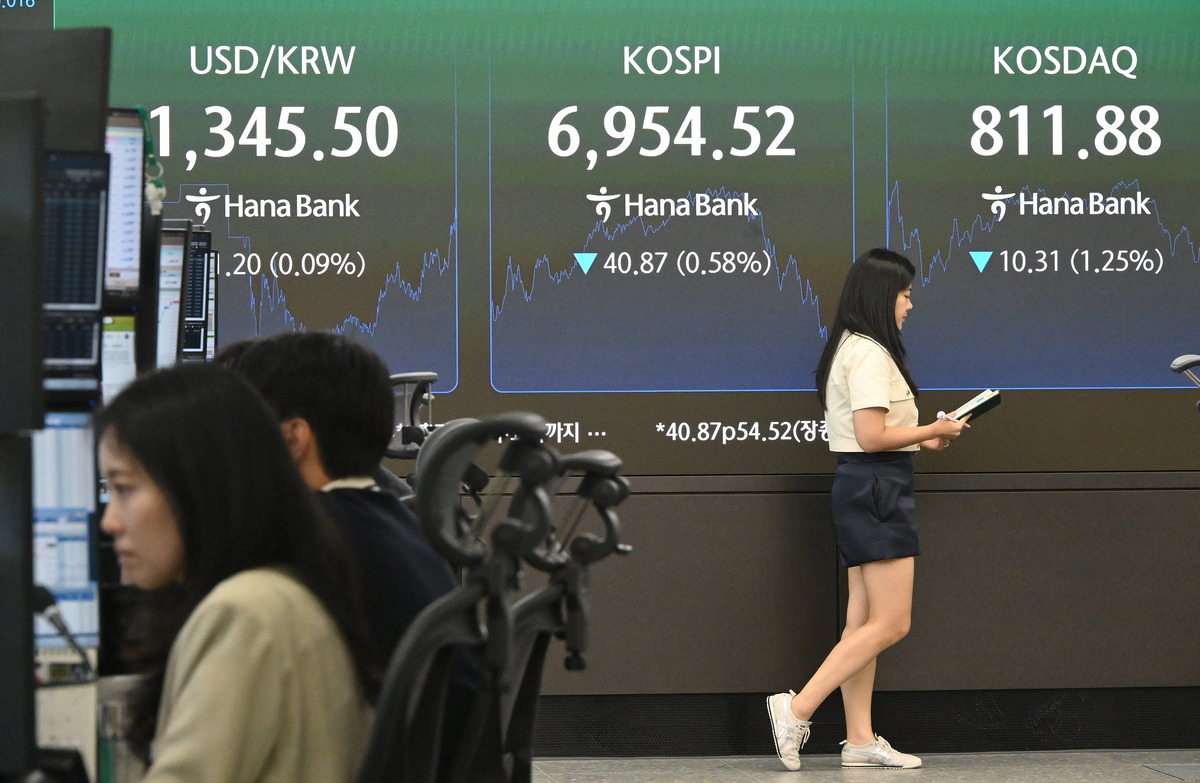
As the KOSPI index struggled to maintain levels above 7,000 points, retail investors poured 282.7 billion won into three specific inverse ETFs over a two-day period ending September 9. This surge in bearish bets contrasts with brokerages' continued bullish outlook on domestic equities, highlighting a disconnect between institutional forecasts and retail sentiment during recent volatility. The inflows suggest that individual investors are increasingly using sophisticated derivatives products to hedge against short-term domestic market downturns.
India’s Net SIP Inflows Hit Record ₹2 Lakh Crore
India's mutual fund industry reported that net Systematic Investment Plan (SIP) inflows crossed the ₹2 lakh crore mark for the first time in the fiscal year 2025-26, according to reports published on September 9. This record occurred despite rising numbers of SIP account closures and ongoing equity market volatility, demonstrating resilient long-term investor confidence. The milestone underscores the structural shift in Indian household savings from traditional assets to equity-linked instruments.

Korean Investors Shift to US Short-Term Bond ETFs
In a move reflecting concerns over prolonged high interest rates, South Korean retail investors injected approximately 125.6 billion won into U.S. short-term government bond ETFs in the week leading up to September 6. Conversely, they recorded a net sell-off of 1.5 trillion won in SOXL during the same period, indicating a temporary flight to safety within their overseas portfolios. This rotation suggests that while the broader appetite for U.S. assets remains, Korean investors are actively managing risk by balancing leveraged equity exposure with safe-haven fixed income instruments.
Local view
Local media outlets such as The Public and CBC News in Korea have highlighted the "contrarian" nature of recent retail trades, noting that while global markets faced headwinds, Korean individuals were disproportionately active in leveraged products. In India, Navbharat Times and News18 Hindi emphasized that despite daily market declines, the "faith" of retail investors in SIPs remained unshaken, with financial planners advising against stopping investments during corrections.
Context & numbers
- Korea: Net purchases of U.S. stocks by individual investors reached $7.04 billion over the two months prior to late August, with SOXL being a top favorite.
- Korea: Foreign and institutional investors net sold 13.9 trillion won in KOSPI-listed stocks since SK Hynix began share buybacks, creating a vacuum partially filled by retail contrarian bets.
- China: As of September 1, the combined margin balance for Shanghai, Shenzhen, and Beijing exchanges stood at 2.66 trillion yuan, showing a modest expansion of 1.77 billion yuan compared to the previous trading day, indicating cautious leverage usage among Chinese retail investors.
On the radar
- KOSPI Volatility: Watch for continued retail flows into inverse ETFs if the KOSPI fails to stabilize above the 7,000 psychological level.
- Indian Demat Accounts: A report from Business Today highlights a growing divergence where Demat account openings are rising faster than active investor growth, potentially signaling a pool of dormant accounts that could become active in the next bull run.
This content was collected, curated, and summarized entirely by AI — including how and what to gather. It may contain inaccuracies. Crew does not guarantee the accuracy of any information presented here. Always verify facts on your own before acting on them. Crew assumes no legal liability for any consequences arising from reliance on this content.
Powered by
