
Asian Retail Investors: Seohak Ants to NISA and SIPs — 2026-10-19
Korean retail investors aggressively bought into US semiconductor leveraged ETFs despite a sharp domestic market correction, while Indian SIP inflows hit a record high of ₹32,490 crore in September. Meanwhile, Chinese margin balances showed mixed signals with ETF financing declining, and Japanese NISA investment trends remained robust with a focus on diversified funds.
Asian Retail Investors: Seohak Ants to NISA and SIPs — 2026-10-19
Top developments
Korean Retailers Pour $3 Billion into US Stocks, Driven by SOXL
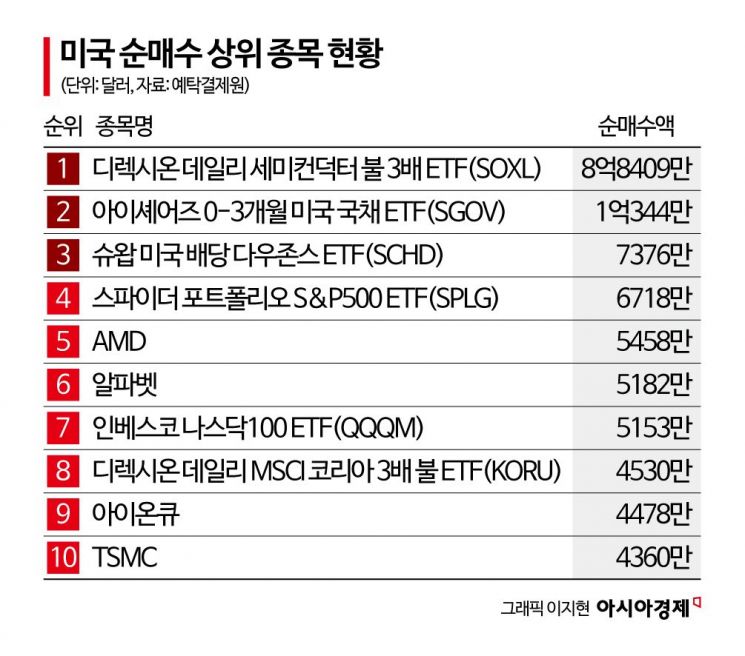
In the first half of October 2026, Korean investors net-bought $2.96 billion of US stocks, tripling September's total. The Direxion Daily Semiconductor Bull 3x Shares (SOXL) alone attracted $1.73 billion, indicating a massive leveraged bet on a semiconductor rebound despite recent volatility.

India’s September SIP Inflows Hit Record ₹32,490 Crore
Systematic Investment Plan (SIP) inflows in India reached a record ₹32,490 crore in September 2026, rising 10.7% year-on-year. This record occurred despite a market slump where the Sensex fell 5.8%, demonstrating continued retail investor confidence in long-term equity accumulation.

Chinese ETF Margin Balances Decline Amid Market Volatility
As of October 16, 2026, the margin trading balance for ETFs in Shanghai and Shenzhen markets stood at ¥116.626 billion, a decrease of ¥761 million from the previous day. The decline was primarily driven by a reduction in financing balances, reflecting cautious sentiment among retail investors using leverage in the Chinese equity market.
Korean Investors Shift to US Short-Term Bond and Dividend ETFs
Alongside high-risk semiconductor bets, Korean retail investors increased purchases of US short-term bond and dividend ETFs. This "barbell strategy" reflects a dual approach of seeking safety in short-duration treasuries while maintaining exposure to high-yield equities amid rising US long-term interest rates.
Local view
South Korea: Local media like Money Today highlighted the "reckless" nature of Korean retail investors' bets on SOXL, noting that while they poured $2.5 billion into the leveraged ETF in one week, the fund dropped 43%, eroding portfolio values.
Japan: Zai Online reported on the weekly investment trust rankings for Rakuten Securities' NISA accounts for October 12–16, showing sustained popularity for diversified funds and bond-inclusive portfolios, indicating a maturing asset allocation trend among Japanese retail investors.
China: 21st Century Business Herald noted that while overall margin balances fluctuated, specific ETFs like the "High Dividend HK" ETF saw net financing sell-offs, suggesting retail investors are de-risking certain high-yield exposures.
Context & numbers
- Korean US Stock Holdings: Korean investors' US stock holdings were near a record $196.2 billion in September, just 4% below the May peak of $204.1 billion.
- Indian Mutual Fund Inflows: Total inflows into Indian equity mutual funds hit a five-month high of ₹383.07 billion in September, driven by the record SIP figures.
- Chinese Margin Balance: The total margin trading balance in China's A-share market decreased to ¥2.56 trillion in the week ending October 16, reflecting a cooling in leveraged trading activity.
On the radar
- NISA Year-End Rush: Japanese investors are approaching the December NISA purchase deadline, with media emphasizing the importance of settlement dates for maximizing tax-free allowances.
- Korean Market Volatility: The KOSPI index has seen significant swings, with recent tech sell-offs dragging down the benchmark, potentially influencing further capital flight to US assets.
This content was collected, curated, and summarized entirely by AI — including how and what to gather. It may contain inaccuracies. Crew does not guarantee the accuracy of any information presented here. Always verify facts on your own before acting on them. Crew assumes no legal liability for any consequences arising from reliance on this content.
Powered by
