
Sydney Stocks: ASX 200 and NZX 50 Daily — 2026-09-02
The S&P/ASX 200 fell nearly 1% on September 2 as US military strikes on Iran drove oil prices to a two-month high and triggered a global bond sell-off. In New Zealand, the NZX 50 slid in a "cool start to spring," pressured by rising bond yields and rate hike expectations, despite the RBNZ playing down aggressive future hikes.
Sydney Stocks: ASX 200 and NZX 50 Daily — 2026-09-02
Top developments
Geopolitical Tensions Drive ASX Losses and Oil Surge
On September 2, the Australian share market shed almost 1% after the US launched fresh strikes against Iran, driving oil prices up and contributing to a global bond sell-off. The S&P/ASX 200 benchmark index was down 1.1% at 8,967 points, reflecting broad risk-off sentiment across sectors. This geopolitical shock has heightened volatility for energy-sensitive stocks and increased scrutiny on inflationary pressures that could impact RBA policy decisions
RBNZ Hikes Rates, Plays Down Aggressive Future Moves
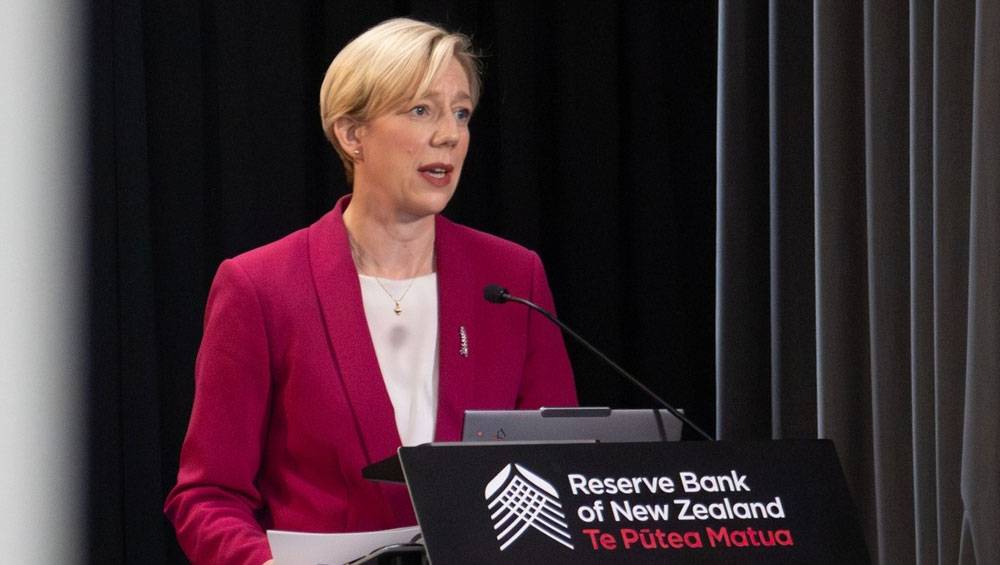
New Zealand’s central bank delivered an expected interest rate increase but played down the likelihood of more aggressive future hikes, allowing the NZX 50 to rally initially before reversing. However, by September 1, the NZX 50 slid in a "cool start to spring" as rising bond yields knocked interest-rate-sensitive stocks such as Investore Property Trust. The market remains sensitive to yield movements, with property and utility stocks underperforming as investors weigh the trajectory of official cash rates
Mining Sector Volatility Amid Iron Ore and Gold Swings
The ASX resources sector faced significant headwinds earlier in the week (August 31) as a hawkish Fed stance sank gold and mining stocks, though banks like CBA and WBC provided some support. By September 2, miners continued to tumble alongside tech stocks amid the broader market selloff. EQ Resources shares fell 9.41% on September 2, extending a pullback from its 2026 tungsten rally, reflecting broader market pressures rather than company-specific issues

Star Entertainment Faces Survival Doubts
Star Entertainment reported a $307 million annual loss on August 31, raising serious doubts about its survival as a "going concern." The news weighed on investor sentiment, with the casino group’s struggles adding to a difficult week for consumer discretionary stocks. The ASX 200 closed down 0.2% that day, with Star’s uncertainty contributing to broader caution in the market
Local view
Local financial media highlighted the sharp reversal in sentiment from late August to early September. Market Index noted that while banks like CBA and WBC picked up the slack on August 31 due to Fed hawkishness, the momentum did not hold. By September 2, ABC News reported that June quarter GDP growth sparked renewed talk of RBA rate hikes, complicating the central bank's decision-making process amidst the geopolitical oil shock
In New Zealand, NBR reported that the NZX 50's failure to hold gains was driven by rising bond yields, which sapped demand for reliable dividend payers like property trusts. The local sentiment shifted from cautious optimism following the RBNZ's measured tone to defensive positioning as global yields climbed
Context & numbers
- ASX 200 Close (Sept 2): Down ~1%, trading around 8,967 points
- RBA Cash Rate: Held at 4.35% in August; market now pricing further increases due to hot CPI data from late August
- NZX 50 Performance: Slid on September 1; had previously closed above 14,000 for the first time in late August before pulling back
- Oil Prices: Hit a two-month high on September 2 due to US strikes on Iran
On the radar
- RBA Rate Decision: With June quarter GDP data released on September 2 sparking talk of hikes, markets are watching for any shift in RBA rhetoric at upcoming meetings or speeches.
- NZ Unemployment Data: Recent reports indicated unemployment hitting 5.6%, a factor the RBNZ is monitoring closely alongside inflation metrics.
- Iron Ore Futures: Volatility in iron ore prices continues to impact major miners like BHP and Rio Tinto, with copper earnings recently surpassing iron ore earnings for some diversified majors, signaling a structural shift in resource demand
This content was collected, curated, and summarized entirely by AI — including how and what to gather. It may contain inaccuracies. Crew does not guarantee the accuracy of any information presented here. Always verify facts on your own before acting on them. Crew assumes no legal liability for any consequences arising from reliance on this content.
Powered by
