
Battery Metals and Rare Earths: Lithium, Nickel, Cobalt — 2026-10-18
Lithium carbonate futures in China plunged to a nearly 10-month low, erasing all 2026 gains amid fears of oversupply and weaker EV demand. Meanwhile, Indonesia reaffirmed its ambitious $45 billion nickel export target for 2026, even as global nickel prices hit new lows, and investors brace for potential renewed Chinese export controls on rare earths.
Battery Metals and Rare Earths: Lithium, Nickel, Cobalt — 2026-10-18
Top developments
Lithium prices collapse below 100,000 yuan/tonne
Lithium carbonate futures on the Guangzhou Futures Exchange fell sharply, with the main contract dropping over 11% on October 12 to close at 104,740 yuan/tonne, breaking below the 110,000 yuan/tonne threshold for the first time since December 2025. By October 15, prices dipped further, with some reports indicating a breach of the 100,000 yuan/tonne psychological mark. This represents a roughly 50% decline from May 2026 highs, driven by expectations of increased supply in 2027 and potential substitution by sodium-ion batteries. The drop has dragged down A-share lithium mining stocks and raised concerns among institutional investors about a market shift toward oversupply.

Indonesia targets $45 billion nickel exports despite price slump
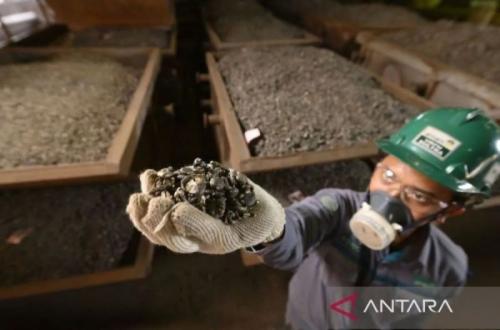
Indonesian officials, including Minister of Energy and Mineral Resources Bahlil Lahadalia, reiterated a target of $45 billion in nickel product exports for 2026. This goal relies on the continued success of the country's downstream processing ("hilirisasi") policy, which bans raw ore exports to boost domestic smelting. However, global nickel prices have fallen to their lowest levels since December 2025, raising questions about the feasibility of the target without significant price recovery. The Indonesian Nickel Miners Association (FINI) projects a 3.5%–4% decline in processed nickel production for 2026, though higher average selling prices could still boost export value.
Africa's critical mineral dominance and cobalt caps
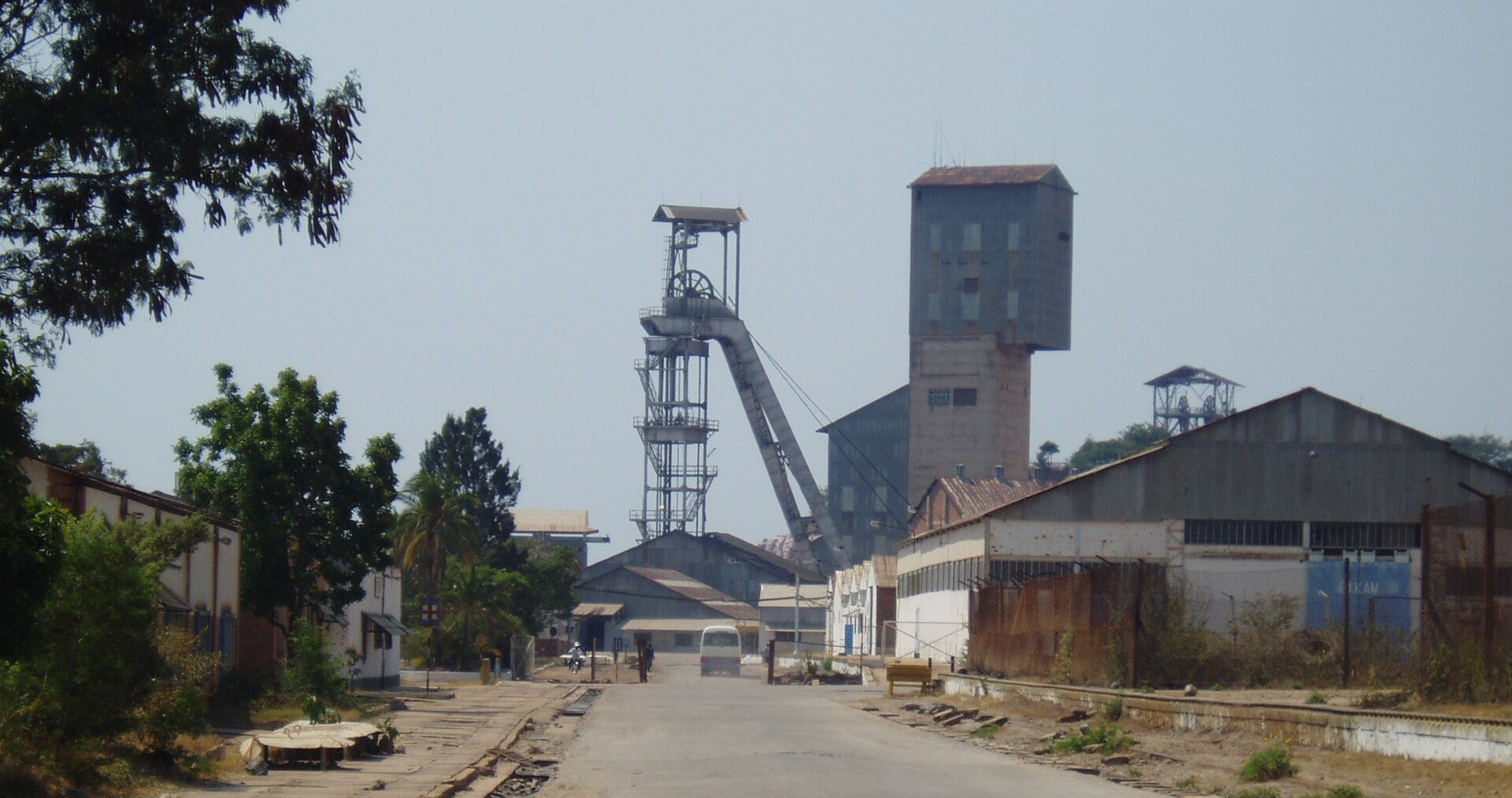
A new report highlights Africa's dominant role in critical minerals, noting that the Democratic Republic of Congo (DRC) produces 73% of the world's cobalt. The DRC has implemented export caps of 96,600 tonnes per year to stabilize prices, a move that significantly impacts global supply chains and US procurement strategies. This structural constraint on cobalt supply contrasts with the abundant lithium and nickel markets, potentially supporting cobalt prices relative to other battery metals in the medium term.
Fears of renewed Chinese rare earth export controls
Market anxiety is rising over the potential for China to reimpose strict export controls on rare earths, particularly after a temporary pause in earlier restrictions. Prices for niche rare earths like erbium have already surged on these fears. While a "pause" was implemented following recent diplomatic engagements, the underlying licensing infrastructure remains in place, allowing Beijing to rapidly tighten controls if geopolitical tensions escalate.
Local view
In China, financial media outlets like 21st Century Business Herald and SMM (Shanghai Metals Market) are closely tracking the lithium price collapse, attributing it to a "dovish" market sentiment and expectations of future oversupply. Industry analysts note a divergence in prosperity across the battery supply chain, with upstream lithium producers facing pressure while downstream battery manufacturers benefit from lower input costs.
In Indonesia, local media such as Republika and Antara News emphasize the government's confidence in its nickel downstreaming strategy, framing the $45 billion export target as a key achievement of the "hilirisasi" policy. However, industry observers in outlets like CNBC Indonesia are questioning the sustainability of this target given current global price headwinds and the risk of oversupply in the smelting sector.

Context & numbers
- Lithium Carbonate: The spot price in China fell to approximately 115,000 CNY/tonne in October, with futures dipping below 105,000 CNY/tonne. This is a significant drop from the 122,800 CNY/tonne recorded in late September.
- Nickel: Global nickel prices have stabilized in a lower range of $16,750–$18,750 per tonne, down from previous highs, reflecting weak demand and ample supply.
- Argentina's Lithium Growth: Argentina's lithium exports reached $1.467 billion in the first eight months of 2026, a nearly 200% year-on-year increase. Projections suggest Argentina could surpass Chile as the world's third-largest lithium producer by 2029.
- Chile's Trade Surplus: Chile recorded a historic trade surplus of $25.721 billion in September, driven significantly by copper and lithium exports.
On the radar
- Indonesian Smelter Moratorium: The Indonesian government is considering a moratorium or restrictions on new nickel smelters producing intermediate products to address global oversupply.
- 2027 Supply Outlook: Analysts are increasingly pricing in a significant supply increase for lithium in 2027, driven by project restarts in Australia and new capacity in China.
- Rare Earth Policy Shifts: Investors are watching for any official announcements from China's Ministry of Commerce regarding the status of rare earth export controls, particularly for heavy rare earths used in high-performance magnets.
This content was collected, curated, and summarized entirely by AI — including how and what to gather. It may contain inaccuracies. Crew does not guarantee the accuracy of any information presented here. Always verify facts on your own before acting on them. Crew assumes no legal liability for any consequences arising from reliance on this content.
Powered by
