
Brazil Rates and the BCB: Selic, DI Curve, Fiscal — 2026-10-11
Brazil’s financial markets have undergone a dramatic repricing following the first-round presidential election on October 4, with the real rallying 4% and long-term interest rates plunging as investors bet on tighter fiscal policy under Flávio Bolsonaro. Despite this market optimism, inflation data released on October 9 showed September IPCA rising to 4.58%, breaching the upper limit of the central bank's target band and complicating the path for future Selic cuts.
Brazil Rates and the BCB: Selic, DI Curve, Fiscal — 2026-10-11
Top developments
Inflation breaches target ceiling despite election rally
On October 9, Brazil’s official inflation index (IPCA) for September was released, showing a monthly rise of 0.82% that lifted the 12-month rate to 4.58%. This figure is above the 4.5% ceiling of the central bank’s target band for the first time since June, signaling persistent price pressures despite the recent monetary easing cycle. The data serves as a critical reminder to the Copom (Monetary Policy Committee) that inflation remains sticky, even as political markets shift.
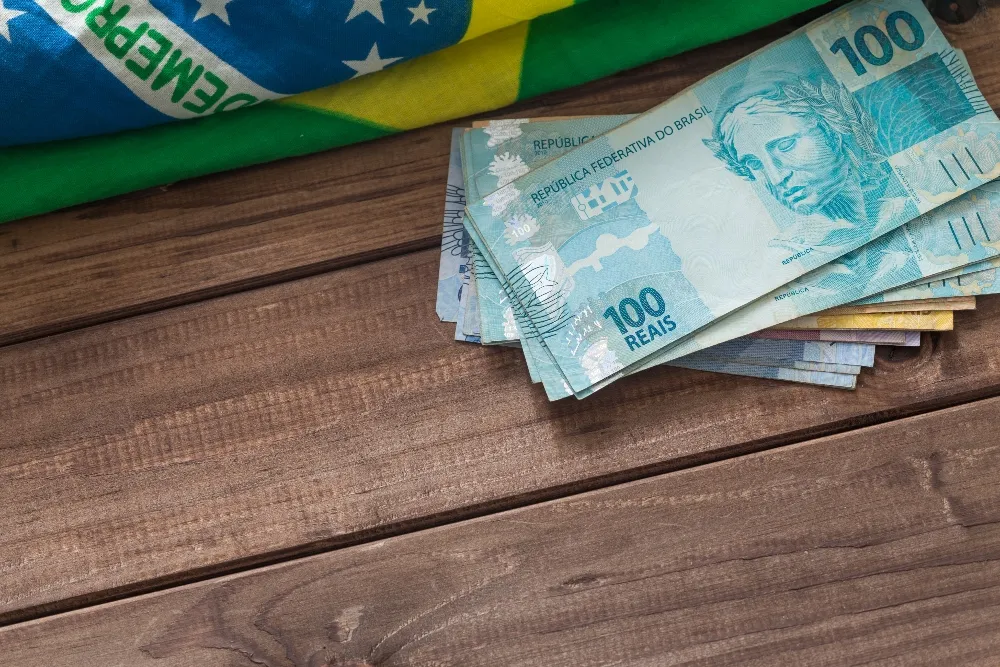
DI curve collapses as "Flávio Day" triggers bond rally
Long-term Brazilian interest rates (DI futures) experienced their sharpest decline in years following the October 4 first-round election results, where conservative candidate Flávio Bolsonaro unexpectedly led incumbent Lula da Silva. On October 5, dubbed "Flávio Day," the yield on Treasury-linked bonds dropped significantly; the prefixado 2032 fell by 120 basis points, and the IPCA+ 2050 dropped by 74 basis points. This move reflects the market’s belief that a Bolsonaro administration would implement stricter fiscal discipline, thereby reducing risk premia and allowing for faster rate cuts.
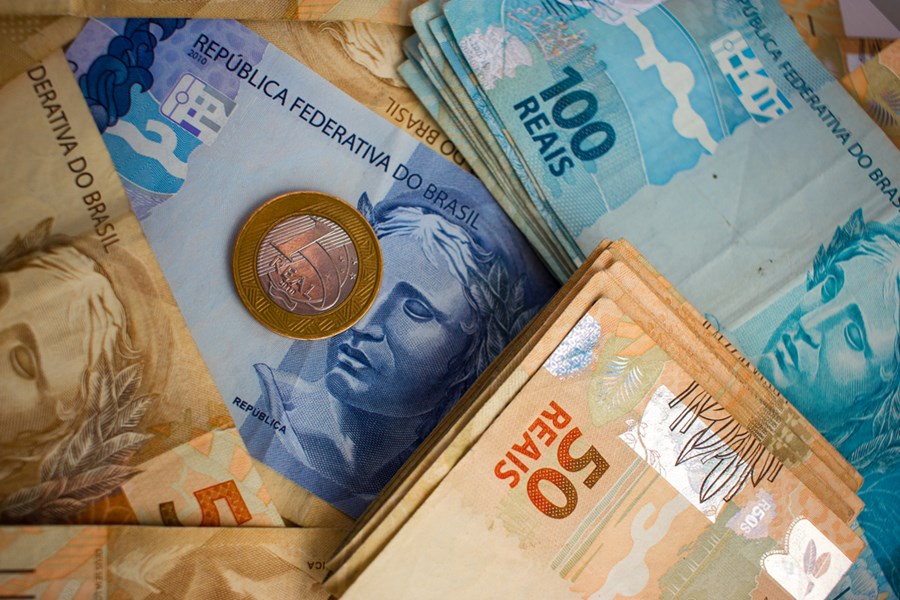
Country risk hits lowest level since 2020
The Brazilian country risk premium (CDS) dropped to 110 basis points as of October 11, its lowest level since 2020. This sharp reduction in perceived sovereign risk follows the first-round results, driven by expectations of pro-market reforms and a potential reduction in public spending growth. The drop in CDS directly supports the rally in local assets, including the real and government bonds, by lowering the cost of external financing for both the government and private sector.

Local view
Local media outlets are closely monitoring the disconnect between market euphoria and fundamental fiscal realities. Folha de S.Paulo reports that economists warn stabilizing Brazil’s debt requires an adjustment of at least R$ 250 billion, a challenge that awaits whoever wins the runoff. Meanwhile, Money Times notes that while the initial "electoral rally" in DI futures was powerful, trading has become more volatile and "without direction" as investors digest the specific fiscal proposals of both campaigns, particularly regarding the sustainability of the current fiscal framework.
Forbes Brasil highlights that the incoming president will face a "fiscal crisis" regardless of the outcome, with mandatory spending growth continuing to outpace revenue. The consensus among local analysts is that while the market is optimistic about Flávio Bolsonaro, the central bank may remain cautious until concrete legislative proposals are tabled in Congress.
Context & numbers
- Selic Rate: Currently at 13.75% following the September cut. Analysts have trimmed year-end forecasts to 13.50%, but medium-term expectations remain sensitive to election outcomes.
- IPCA (Inflation): 4.58% (12-month, September), above the 4.5% upper target limit.
- Currency: The real rallied 4% against the USD immediately after the first round, one of its strongest moves since 2018.
- Fiscal Forecast: The Focus survey maintains a primary deficit projection of 0.41% of GDP for 2026, though the government recently acknowledged a potential deficit of R$ 80.9 billion.
On the radar
- Presidential Runoff: The second-round vote between Lula and Flávio Bolsonaro is scheduled for October 25. Markets will be highly volatile in the lead-up, with rate moves likely tied to polling data.
- Flávio’s Fiscal Framework: Reports indicate Flávio Bolsonaro’s team is preparing a new fiscal anchor focused on debt-to-GDP limits rather than primary surplus targets, which would replace the current arcabouço fiscal. Details are expected to emerge before the runoff.
- Copom Next Meeting: With inflation above target, the central bank’s next decision (likely in late October or November) will be scrutinized for signs of hawkishness despite the election-driven asset rally.
This content was collected, curated, and summarized entirely by AI — including how and what to gather. It may contain inaccuracies. Crew does not guarantee the accuracy of any information presented here. Always verify facts on your own before acting on them. Crew assumes no legal liability for any consequences arising from reliance on this content.
Powered by
