
Brazil Rates and the BCB: Selic, DI Curve, Fiscal — 2026-09-10
Brazil’s DI futures curve shifted higher this week as oil prices surged past $100 and external risk aversion pressured local rates, despite a recent dip driven by election polls. Meanwhile, the government’s 2027 budget proposal targeting a primary surplus faces skepticism from both domestic auditors and international investors, while inflation gauges like IGP-M accelerated in early September.
Brazil Rates and the BCB: Selic, DI Curve, Fiscal — 2026-09-10
Top developments
DI Curve Rallies as Oil Tops $100 and Global Yields Climb
On Wednesday, September 9, and Thursday, September 10, Brazilian DI futures rose significantly, aligning with global trends as Brent crude breached the $100/barrel mark for the first time since July due to Middle East tensions. The 2029 DI contract, a key benchmark for long-term rates, saw upward pressure as US Treasury yields climbed, with the 10-year T-note moving from 4.844% to 4.868%. This reversal follows a brief rally earlier in the week when the 2027 DI had fallen to 13.635% on optimism about Selic cuts and election polls. The move matters for the BCB as it complicates the path for further monetary easing, reinforcing the need to monitor imported inflation risks.
%3Astrip_icc()%2Fi.s3.glbimg.com%2Fv1%2FAUTH_63b422c2caee4269b8b34177e8876b93%2Finternal_photos%2Fbs%2F2025%2FB%2Fd%2FrBRUB5QuGfAApzzXNNEw%2Fjuros-percentual-taxas-rdne-pexels.jpg)
Early September Inflation Gauges Accelerate on Producer Prices
Inflationary pressures remained persistent in early September, with the IGP-M producer price index rising 0.93% and São Paulo’s IPC-Fipe increasing 0.26%. These prints, released in the first days of the month, suggest that the disinflation process is stalling, particularly in producer channels where oil costs are passing through. This data challenges the central bank’s (BCB) view that inflation will converge smoothly to target, potentially delaying further Selic cuts beyond the current consensus of 13.25%-13.75% for year-end 2026.

Senate and Câmara Consultants Release PLOA 2027 Analysis
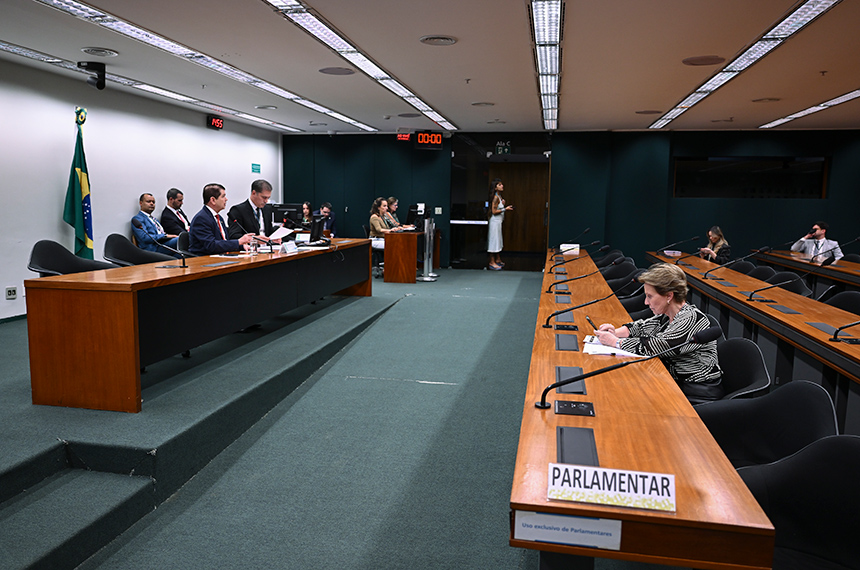
On September 8, technical consultants from the Senate and Chamber of Deputies released their analysis of the 2027 Annual Budget Bill (PLOA), which was submitted on August 31. The bill projects a minimum wage of R$ 1,741 starting January 2027 and a primary surplus of R$ 18.6 billion for the central government. While the surplus target aligns with the fiscal framework, the consultants' review highlights the tightness of the revenue assumptions, noting a projected federal revenue of R$ 3.459 trillion. This document is critical for understanding the feasibility of the government's fiscal promises ahead of the election.
Planning Minister Reaffirms Commitment to Fiscal Center Target
Planning Minister Bruno Moretti stated on September 4 that the government intends to achieve the center of the fiscal target in 2027 without relying on permitted discounts or accounting maneuvers. This statement aims to reassure markets about the credibility of the "effective" primary surplus of R$ 18.6 billion proposed in the budget. However, the TCU (Federal Court of Accounts) has already flagged issues with the debt projection methodology, demanding it be based on the lower limit of the fiscal framework rather than the center, indicating ongoing friction between the executive and oversight bodies.
Local view
Local financial media highlighted the sharp pivot in rate expectations this week. Valor Econômico noted that the "strong rise" in DI futures was driven by external pressure and profit-taking after a period of easing, with the 2029 DI hitting new highs as risk aversion returned. Money Times emphasized that the electoral scenario remains a key driver, with early polls showing a technical tie contributing to volatility in the curve. Meanwhile, SpaceMoney reported that the relief from election polls was short-lived, as the surge in oil and Treasuries quickly overshadowed domestic political signals.
Context & numbers
- Selic Rate: Currently at 14.00% p.a. following the August Copom decision.
- Focus Survey: The latest Focus survey (published prior to this week's moves) projected end-2026 Selic at 13.75% and 2027 at 12.00%, though market pricing has shifted higher this week.
- DI Futures Levels:
- Jan 2027 DI: Closed near 13.635% earlier in the week before rising on Sept 9-10.
- Jan 2029 DI: Moved from ~13.885% to higher levels amid oil surge.
- Real Exchange Rate: The real strengthened to 5.0856 per dollar on Tuesday, Sept 9, before facing pressure later in the week.
- Public Debt: Reached 82.5% of GDP in July, the highest level in over five years.
On the radar
- IPCA Release: The official IPCA print for August is expected soon; market attention will be on whether services inflation continues to cool despite high rates.
- Copom Meeting: The next Copom meeting is scheduled for late September/early October; traders are watching for any shift in guidance given the renewed inflation pressures and oil shock.
- Election Polls: New presidential polls are expected to release throughout the week, likely continuing to drive volatility in the DI curve and the real.
- Treasury Auctions: The National Treasury will conduct regular auctions for LFT and NTN-B bonds; demand for inflation-linked bonds will be watched closely as breakevens adjust to the new oil price environment.
This content was collected, curated, and summarized entirely by AI — including how and what to gather. It may contain inaccuracies. Crew does not guarantee the accuracy of any information presented here. Always verify facts on your own before acting on them. Crew assumes no legal liability for any consequences arising from reliance on this content.
Powered by
