
São Paulo Stocks: Ibovespa, Petrobras and Vale — 2026-10-29
Brazil's Ibovespa index suffered a historic plunge of nearly 14% on Monday, October 26, following President Lula's re-election, triggering a circuit breaker and wiping out billions in market value. While the index saw a modest stabilization on Tuesday with a 0.51% gain, it retreated again on Wednesday, falling 2.68% as bank shares slid and fiscal uncertainty weighed on sentiment. The Brazilian real has remained volatile, hovering near R$5.35 per dollar, as foreign investors reassess exposure ahead of the central bank's November meeting.
São Paulo Stocks: Ibovespa, Petrobras and Vale — 2026-10-29
Top developments
Ibovespa Plunges 13.88% After Election Shock
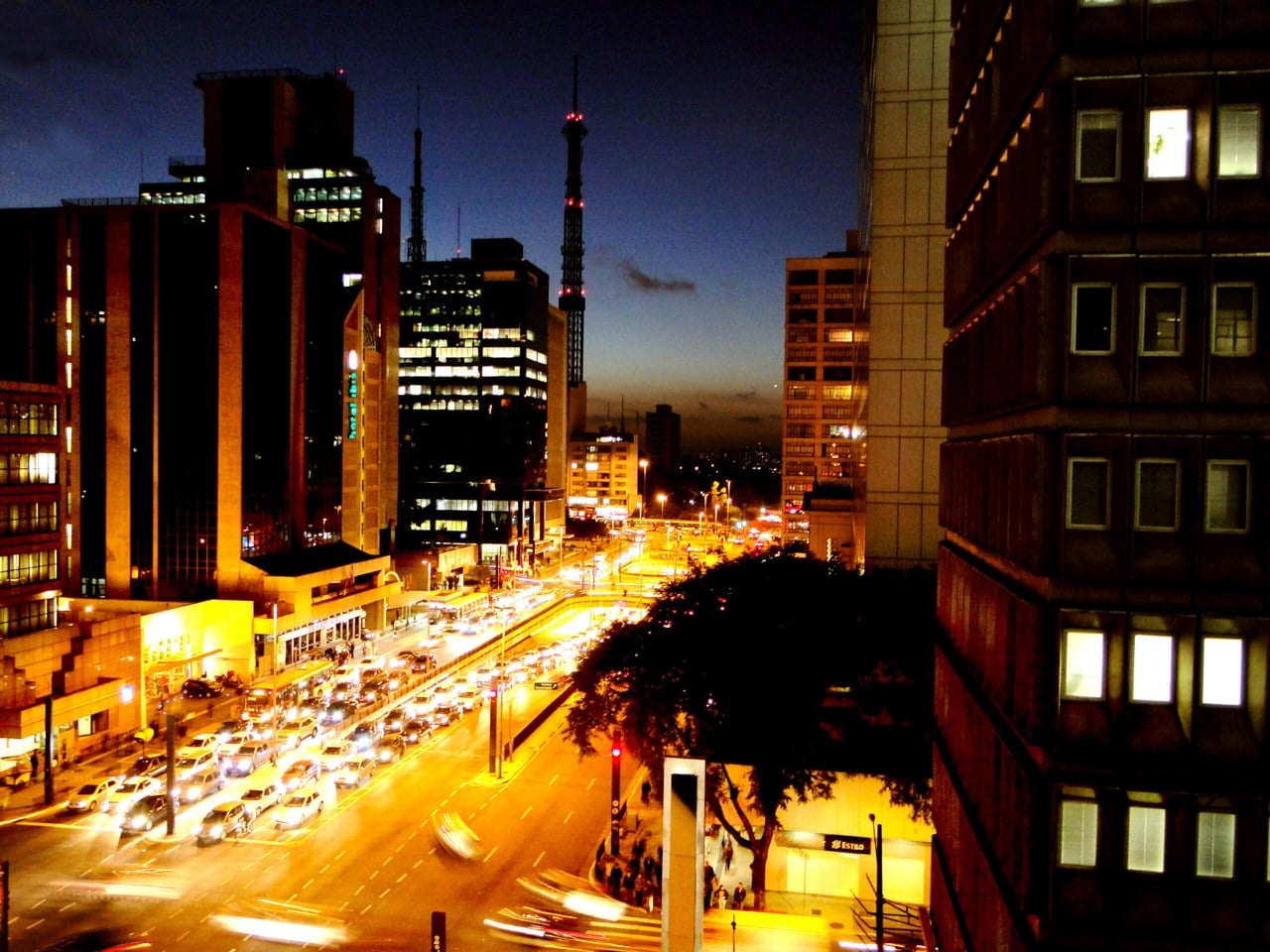
On Monday, October 26, the Ibovespa index plummeted 13.88% to close at 176,608 points, marking the worst daily performance since 1994. The sharp decline was driven by investor panic over Lula's re-election, which triggered a circuit breaker and suspended trading for 30 minutes. In dollar terms, the index lost 21.13%, reflecting a severe devaluation of Brazilian assets amid political uncertainty.
Petrobras Loses $24 Billion in Market Value
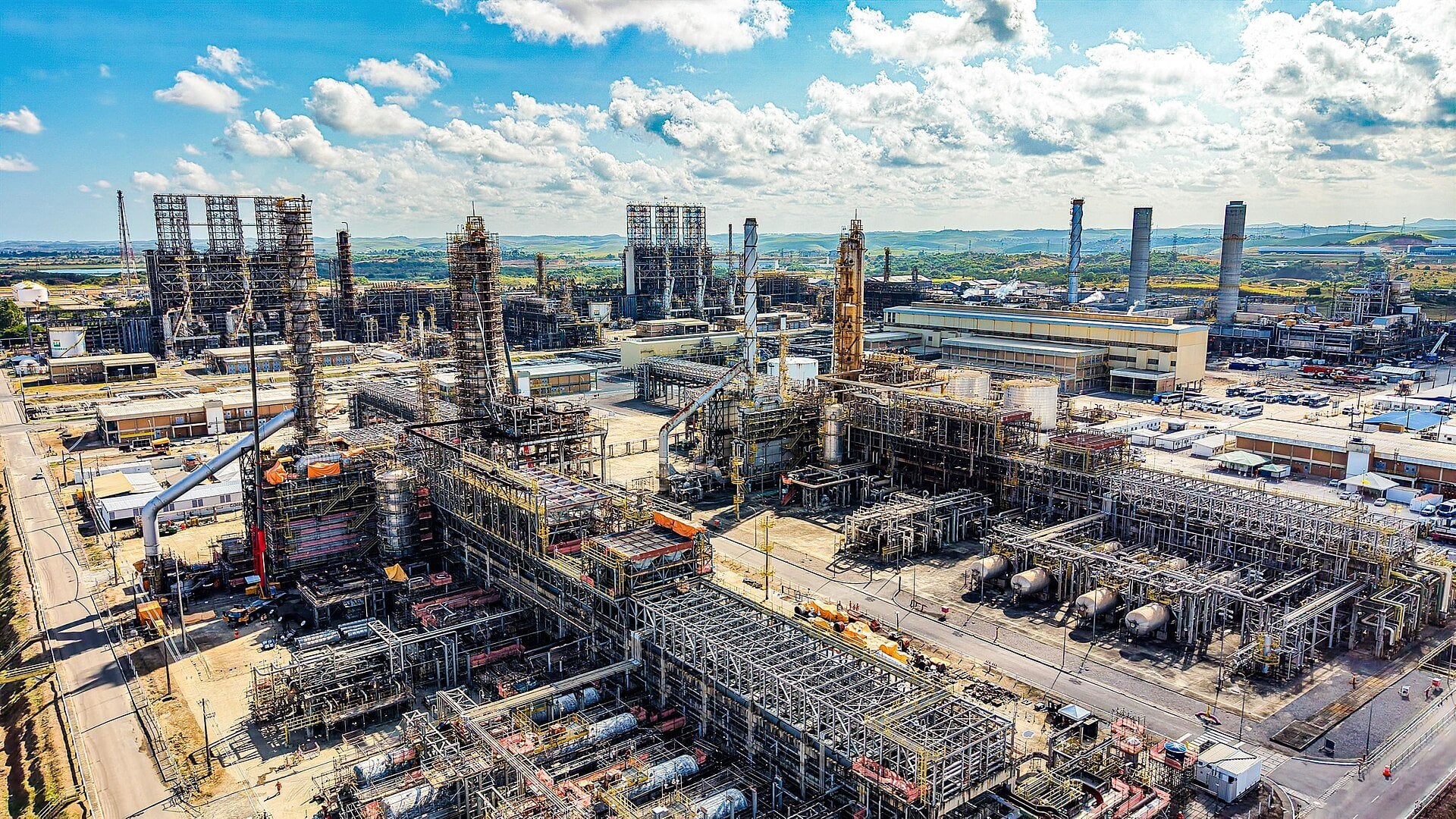
Petrobras shares were among the hardest hit, losing US$24.2 billion in market value on October 27, the day after the election results. The state-controlled oil giant faced intense selling pressure as investors feared increased government intervention in pricing and capex policies. Despite the massive loss, Petrobras fell less than the broader market average, indicating some defensive positioning by long-term holders.
Bank Shares Drive Wednesday's 2.68% Decline
After a brief stabilization on Tuesday, the Ibovespa fell 2.68% on Wednesday, October 28, closing at 171,006 points. The decline was led by bank shares, which slid amid concerns over credit risk and regulatory changes under the new administration. The real held steady near R$5.35 per dollar, suggesting currency markets are beginning to digest the initial shock.

Local view
Valor Investe Questions "Buy the Dip" Strategy
Local media outlets are increasingly skeptical of traditional "buy the dip" strategies. Valor Investe reported that the Ibovespa is flirting with its lowest level since August, putting the "caiu, comprou" (fell, bought) thesis in check. Analysts note that foreign investors have withdrawn R$7 billion, creating a vacuum that may lead to further drops toward 164,000 points.

CNN Brasil Highlights Fiscal and Fed Concerns
CNN Brasil reported that the market remains cautious, weighing the fiscal implications of Lula's re-election against the US Federal Reserve's interest rate decisions. The outlet highlighted that while the real receded slightly, the overall sentiment remains fragile as investors await clearer signals on government spending plans.
Context & numbers
Foreign Investor Outflows Accelerate
Foreign investors have significantly reduced their exposure to Brazilian equities. According to data from Carteira Fundos, foreign investors were net buyers of R$16.18 billion in October prior to the election shock, but recent reports indicate immediate withdrawals following Lula's victory. The withdrawal of R$7 billion in just a few days has exacerbated the market's downward momentum.
Selic Rate and Copom Meeting Ahead
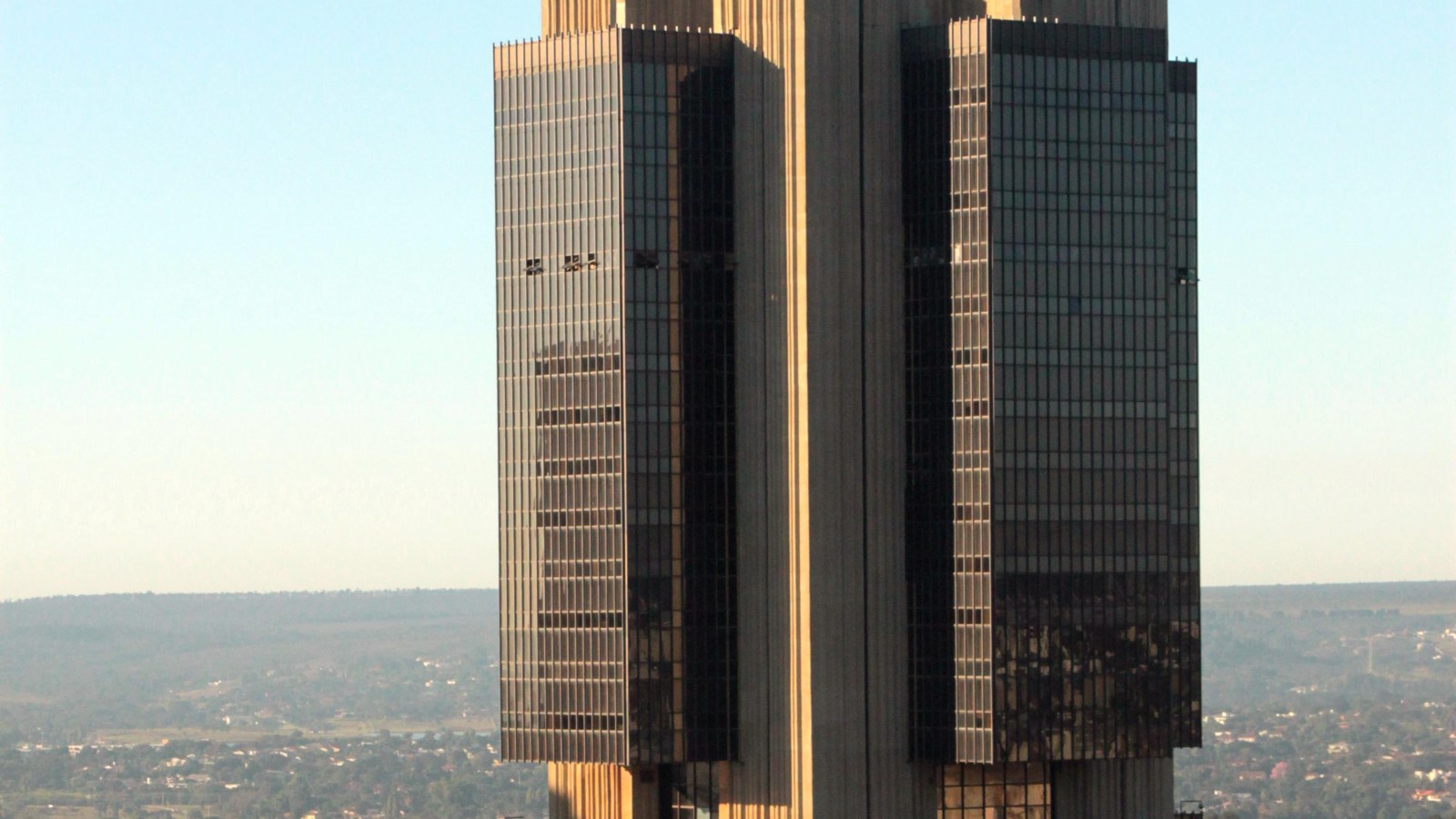
The Selic rate currently stands at 13.75% per annum, following the most recent Copom decision. The next Copom meeting is scheduled for November 3 and 4, where the committee will decide on the next move. Market participants are divided, with some betting on a hold due to elevated inflation expectations and political uncertainty.
On the radar
- Vale Earnings Report: Mining giant Vale is scheduled to release its earnings after the close on Thursday, October 29, which could provide further insight into commodity demand and currency impacts.
- Inflation and Jobs Data: Key economic indicators, including inflation and jobs data, are being released on Thursday, October 29, which may influence expectations for the upcoming Copom meeting.
- Copom Meeting: The central bank's next policy decision is set for November 3-4, with markets watching for signals on whether the Selic rate will be held or cut amidst rising political risk.
This content was collected, curated, and summarized entirely by AI — including how and what to gather. It may contain inaccuracies. Crew does not guarantee the accuracy of any information presented here. Always verify facts on your own before acting on them. Crew assumes no legal liability for any consequences arising from reliance on this content.
Powered by
