
China Rates and Credit: PBoC, CGBs, Property Debt — 2026-10-11
China's 10-year government bond yield fell to 1.7%, diverging sharply from rising global yields as excess savings and weak demand drive capital into debt instruments. Meanwhile, the Ministry of Finance reported that 86.7% of the 2026 local government debt swap quota has been executed, signaling a robust push to stabilize LGFV liabilities despite modest property sales recovery.
China Rates and Credit: PBoC, CGBs, Property Debt — 2026-10-11
Top developments
10-Year CGB Yield Dips to 1.7% Amid Global Yield Surge
China’s 10-year government bond yield dropped to 1.7%, more than 3 percentage points below the equivalent U.S. Treasury note, bucking the global trend of rising yields. This divergence is driven by a "savings glut," weak consumer spending, and a prolonged property slump that pushes money into bonds rather than risk assets or consumption. The People’s Bank of China (PBoC) has shifted to net buying of government bonds, further supporting prices and compressing yields
Local Government Debt Swaps Reach 86.7% Completion
The Ministry of Finance reported that as of the end of July 2026, local governments had issued 1.73 trillion yuan in replacement bonds, completing 86.7% of the 2 trillion yuan quota set for the year. This aggressive pace aims to defuse risks in hidden debt and LGFV platforms by swapping high-cost, short-term liabilities for lower-cost, long-term special bonds. The report emphasizes preventing "fake" debt resolution and strictly controlling new hidden debt creation while accelerating the exit of financing platforms
PBoC Defends Yuan Policy; CNY Hits Four-Year High
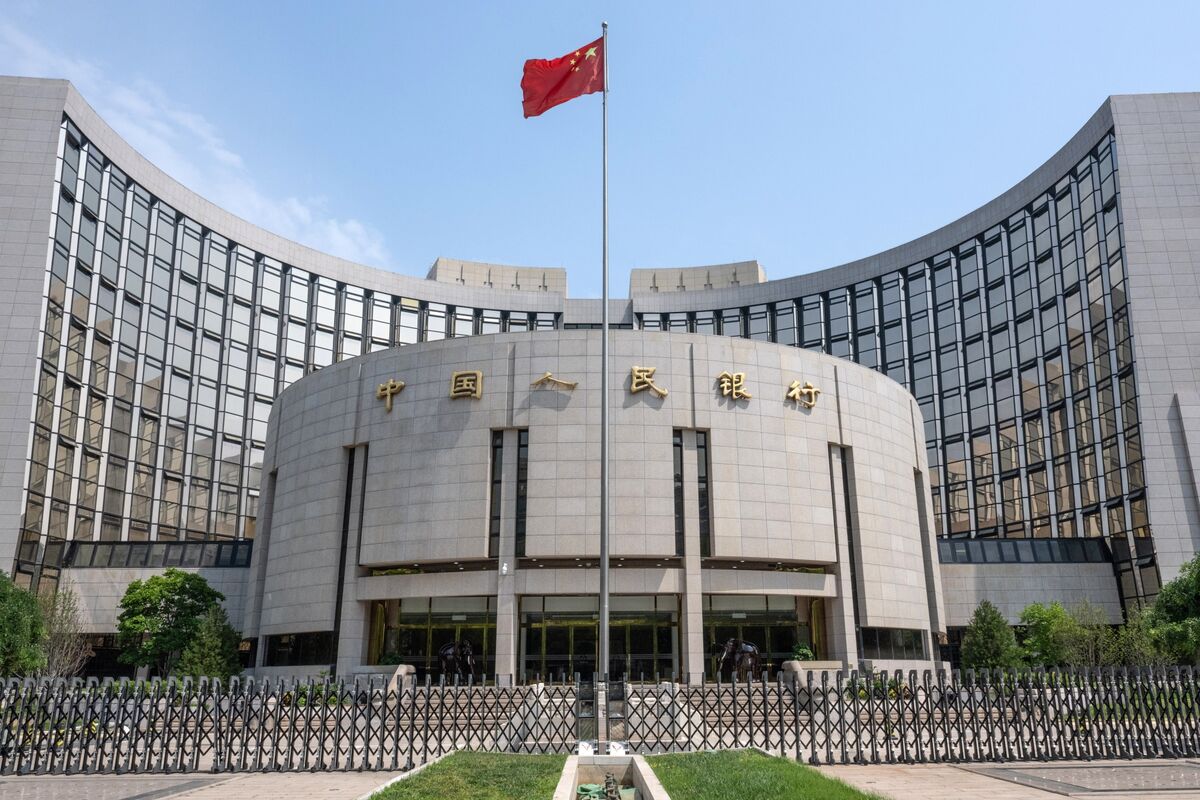
The yuan advanced to a four-year high against a basket of trading partner currencies after the PBoC explicitly rejected claims of undervaluation and defended its exchange-rate management framework. The central bank stated it has neither the need nor the intention to depreciate the currency for competitive trade advantages, signaling a commitment to FX transparency and stability. This stance contrasts with earlier market speculation about competitive devaluation amid slowing domestic growth
Property Sales Show Only Modest Stimulus Impact
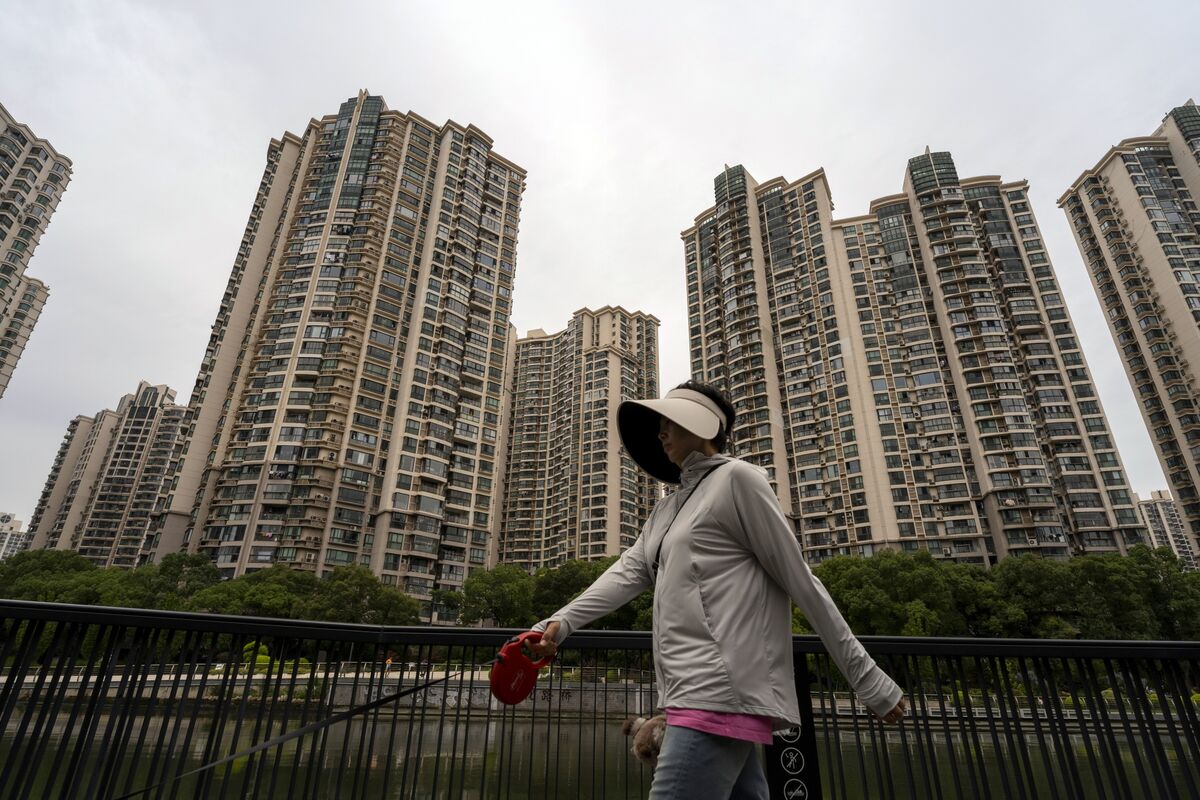
China’s latest round of housing stimulus measures yielded only a modest impact on home sales during the traditional holiday season, raising concerns about the efficacy of current policy tools in reviving the sagging real estate sector. Despite government efforts to stabilize the market, real estate values continue to decline, and developer distress persists. S&P Ratings suggests a potential turnaround could occur next year in major cities, but immediate relief remains elusive
Local view
Xinhua Finance (via CNFin) reported that on October 8, the bond market continued to trend weakly, with most treasury futures closing lower and interbank cash bond yields rising by approximately 0.5 basis points. The report noted that the public market saw a net withdrawal of 608.5 billion yuan, and short-term funding rates edged slightly higher. Institutional investors attributed the weakness to unmet policy expectations, suggesting that the market had priced in more aggressive easing than materialized
CITIC Securities analysts highlighted that China's decade-long debt resolution campaign is set for final acceptance and review in 2027–2028. They argued that activating state-owned asset revenues is an inevitable path to managing the long-cycle rollover of debt, emphasizing the structural nature of the current deleveraging phase
Context & numbers
- 10-Year CGB Yield: 1.7% (as of early October 2026)
- LGFV Debt Swap Progress: 1.73 trillion yuan issued out of 2 trillion yuan quota (86.7% complete) as of July 2026
- Net Liquidity Withdrawal: 608.5 billion yuan on October 8, 2026
- Yuan Position: Four-year high against a basket of currencies
On the radar
- Q4 Bond Supply Surge: Authorities are expected to accelerate government bond issuance in the coming quarter to fund stimulus measures, which could challenge the current bond rally if liquidity injection does not keep pace (Note: While the article date is Sept 29, the context of Q4 issuance acceleration remains the active operational backdrop for October markets).
- Property Sector Stabilization Policies: The government continues to study and roll out new measures to stabilize the property market, with potential announcements expected as year-end growth targets come under pressure (Contextual background for ongoing policy speculation in Oct).
- Deflation Risks: With CPI data showing low inflationary pressure (0.8% in August), the PBoC faces a delicate balance between supporting growth and maintaining currency stability without triggering capital outflows or excessive currency appreciation that hurts exporters.
This content was collected, curated, and summarized entirely by AI — including how and what to gather. It may contain inaccuracies. Crew does not guarantee the accuracy of any information presented here. Always verify facts on your own before acting on them. Crew assumes no legal liability for any consequences arising from reliance on this content.
Powered by
