
China Rates and Credit: PBoC, CGBs, Property Debt — 2026-09-21
The People's Bank of China (PBoC) held benchmark lending rates steady for the 16th consecutive month, signaling a pause in monetary easing as the economy transitions from deflation to mild inflation. Meanwhile, the Chinese yuan hit its strongest level since 2022 ahead of the upcoming Xi-Trump summit, while domestic bond yields remained low and stable despite a global surge in US Treasury yields.
China Rates and Credit: PBoC, CGBs, Property Debt — 2026-09-21
Top developments
PBoC Keeps LPR Unchanged for 16th Month
On September 20, 2026, the PBoC announced that the one-year Loan Prime Rate (LPR) remained at 3.00% and the five-year LPR stayed at 3.50%, marking the 16th consecutive month of no change. Analysts note that room for further monetary easing has narrowed due to tight net interest margins at Chinese banks and a shift from deflation toward mild inflation. This decision aligns with expectations for rates to remain unchanged for the remainder of 2026.


Yuan Hits Strongest Level Since 2022
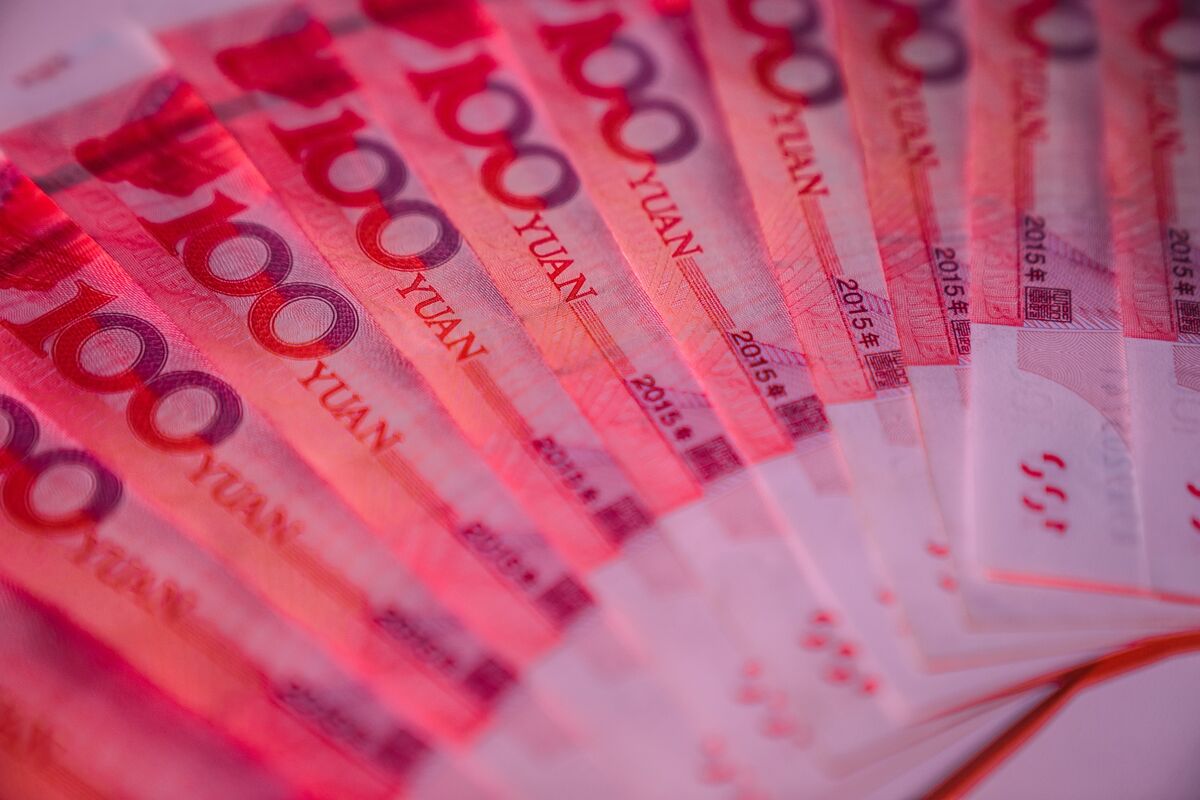
The Chinese yuan climbed to its strongest level in more than four years on September 18, 2026, after the PBoC guided the currency higher. The central bank strengthened the yuan’s reference rate for five straight days leading up to this peak, aiming to offset recent dollar gains ahead of President Xi Jinping’s summit with US President Donald Trump. This move highlights Beijing's strategic use of currency policy in diplomatic negotiations.
Domestic Bond Market Defies Global Yield Surge
While US 10-year Treasury yields broke through 5% to reach near 20-year highs, China's bond market maintained an independent trajectory. On September 18, 2026, most Chinese government bond (CGB) yields fell, with the 10-year benchmark yield dropping slightly. By the end of the week ending September 21, the 10-year CGB yield settled around 1.68%, supported by strong bond market sentiment and the PBoC's provision of liquidity via 14-day reverse repos to ease quarter-end funding pressures.

Local Government Debt Swaps Progressing
Reports indicate that China's massive local government debt swap program is nearing its final stages, with over 82% of financing platforms having exited their government-backed status. However, concerns persist regarding the sustainability of debt service as land sale revenues, a primary source for special bond repayments, continue to decline. Local governments are increasingly relying on "borrowing new to pay old" strategies amid these revenue shortfalls.
Local view
Local media outlets like Sina Finance and 21st Century Business Herald highlight the divergence between China's stable low-rate environment and the volatile global markets. They emphasize that the PBoC's decision to hold rates reflects a delicate balance between supporting economic recovery and managing bank profitability. Additionally, local analysts point out that the strong yuan is a deliberate policy choice to enhance purchasing power and stabilize capital flows before critical diplomatic engagements.
Context & numbers
- 1-Year LPR: 3.00% (unchanged since May 2025)
- 5-Year LPR: 3.50% (unchanged since May 2025)
- 10-Year CGB Yield: ~1.68% (week ending Sept 21, 2026)
- Yuan Strength: Strongest level since 2022 (Sept 18, 2026)
- US 10Y Treasury Yield: >5.00% (Sept 15, 2026)
On the radar
- Xi-Trump Summit: The upcoming meeting between Chinese and US leaders later this month is a key driver for currency and trade-related market moves.
- Fiscal Stimulus Calls: Weak retail sales and fixed-asset investment data have intensified calls for fiscal stimulus to support the economy through year-end.
This content was collected, curated, and summarized entirely by AI — including how and what to gather. It may contain inaccuracies. Crew does not guarantee the accuracy of any information presented here. Always verify facts on your own before acting on them. Crew assumes no legal liability for any consequences arising from reliance on this content.
Powered by
