
Chip Stocks and the AI Trade: Nvidia to SK hynix — 2026-09-20
The SOX index surged 2.8% as US Treasury yields topped 5%, driving a late-session rally in AI hardware and memory stocks led by Micron. In Asia, foreign investors executed a massive rotation out of Samsung and SK hynix, dumping over 10 trillion won in combined net sales despite bullish long-term signals from Nvidia’s CEO regarding doubled chip sales next year. Meanwhile, TrendForce confirmed TSMC’s CoWoS-L advanced packaging dominance will persist through 2028, countering Intel’s emerging EMIB-T competition.
Chip Stocks and the AI Trade: Nvidia to SK hynix — 2026-09-20

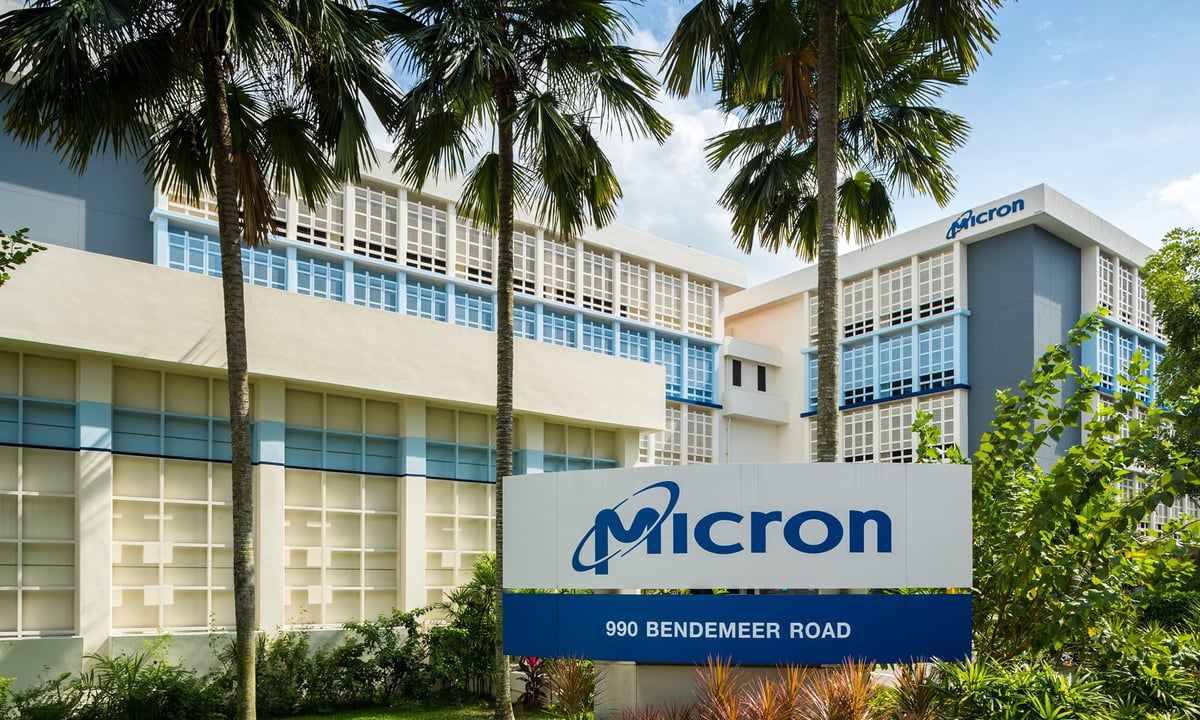
SOX Index Jumps 2.8% as Memory Stocks Lead US Rally
On September 19, the Philadelphia Semiconductor Index (SOX) rose 2.8%, defying broader mixed equity performance as AI hardware stocks surged late in the session. Micron Technology led the gains, rising nearly 4%, while SanDisk also posted significant advances, signaling renewed investor confidence in the memory cycle despite macro headwinds from rising US Treasury yields. This rally follows a period of volatility where chip stocks had shed over $1 trillion in value earlier in the year, suggesting a potential bottoming out for the sector as demand forecasts remain robust.

Foreign Investors Dump 10 Trillion Won in Korean Chipmakers
Despite global investment banks maintaining optimistic long-term views on the memory market, foreign investors recorded net sales exceeding 10 trillion won in Samsung Electronics and SK hynix over the past week. The Chosun Ilbo reports that this massive outflow is driven by macroeconomic factors such as interest rates and liquidity concerns, rather than a fundamental deterioration in the semiconductor industry itself. Analysts note that the selling pressure is also partly attributed to corporate share buybacks and profit-taking after significant run-ups in stock prices.
Nvidia CEO Signals Double in Chip Sales for Next Year
Nvidia CEO Jensen Huang stated that the company’s chip sales next year will be double that of this year, a comment that has intensified expectations for High Bandwidth Memory (HBM) suppliers like SK hynix and Samsung. This guidance reinforces the structural demand thesis for AI accelerators and has prompted Seoul Economic Daily to highlight accelerating benefits for Korean memory makers’ HBM and DRAM production lines. The statement serves as a critical catalyst for Asian semiconductor indices, which had been under pressure due to broader US tech sell-offs.
TrendForce: TSMC CoWoS-L Dominance Secured Through 2028
TrendForce released a new study confirming that TSMC’s CoWoS-L advanced packaging technology will remain the mainstream solution for AI chips until at least 2028, thanks to superior yield rates and technological maturity. This finding counters concerns about Intel’s EMIB-T competing technology gaining immediate traction, securing the supply chain outlook for TSMC and its partners like ASE Holdings and Unimicron. The report suggests that the competitive moat in advanced packaging remains wide, benefiting the entire Taiwan-based supply chain ecosystem.
Local view
Taiwan: Foreign Buying Spree and Mature Node Revival Local media in Taiwan highlight a strong return of foreign capital to the local market, with foreign investors net buying over 116.5 billion new dollars across major tech stocks on September 18. UDN reports that this inflow helped drive the Taiex up by 892 points (1.93%) to close at 47,180.75, with significant buying observed in mature node foundries like Powerchip and UMC. The "AI dividend" is now spreading beyond leading-edge nodes to mature processes, as hyperscalers pull forward orders for networking and power management chips.
Japan: Equipment Makers Rebound on US Chip Rally Nikkei reports that Japanese semiconductor equipment stocks, including Advantest and Tokyo Electron, rebounded sharply on September 18 following the surge in US chip stocks and Nvidia’s positive outlook. Advantest shares rose significantly as investors anticipated increased testing demand from the projected doubling of Nvidia’s sales. The Nikkei 225 index also continued its upward trend, with semiconductor equipment makers leading the gains amid expectations of sustained capex cycles from hyperscalers.
Context & numbers
- US Treasury Yields: The 10-year US Treasury yield topped 5% again, creating a mixed macro environment that pressured general equities but allowed high-beta AI stocks to rally on relative strength.
- Korean Outflows: Foreign net selling of Samsung Electronics and SK hynix exceeded 10 trillion won in recent sessions, indicating significant profit-taking or hedging activity despite bullish fundamental news.
- Taiwan Market Performance: The Taiex closed at 47,180.75 points on September 18, up 1.93%, with trading volume expanding to 1.07 trillion new dollars.
- Packaging Capacity: TSMC’s CoWoS capacity is estimated to reach ~130,000 wafers per month by the end of 2026, with demand still tracking above available supply.
On the radar
- TSMC OIP Forum: TSMC is scheduled to hold its annual Open Innovation Platform (OIP) ecosystem forum in Silicon Valley on September 23, which could provide further insights into advanced packaging roadmaps and customer demand.
- Japanese Earnings Season: Major Japanese chip equipment makers, including Advantest and Disco, are set to release earnings starting September 29, with a focus on memory investment trends and order backlogs.
- Export Control Status: The BIS case-by-case review policy for Nvidia H200 and AMD MI325X exports to China remains in effect since January 2026, with no new regulatory changes reported in the past week.
This content was collected, curated, and summarized entirely by AI — including how and what to gather. It may contain inaccuracies. Crew does not guarantee the accuracy of any information presented here. Always verify facts on your own before acting on them. Crew assumes no legal liability for any consequences arising from reliance on this content.
Powered by
