
Chip Stocks and the AI Trade: Nvidia to SK hynix — 2026-09-09
SK Hynix shares surged 7% as AI demand diverts wafer capacity toward High Bandwidth Memory (HBM), causing a divergence in the semiconductor complex with Apple slipping. In Taiwan, foreign investors poured NT$88.3 billion into stocks, lifting the weighted index to a historic second-highest close led by TSMC, while South Korea's KOSPI broke the 7,000-point mark on memory strength. Analysts are increasingly splitting views on Samsung versus SK Hynix due to shifting HBM4 market share dynamics.
Chip Stocks and the AI Trade: Nvidia to SK hynix — 2026-09-09

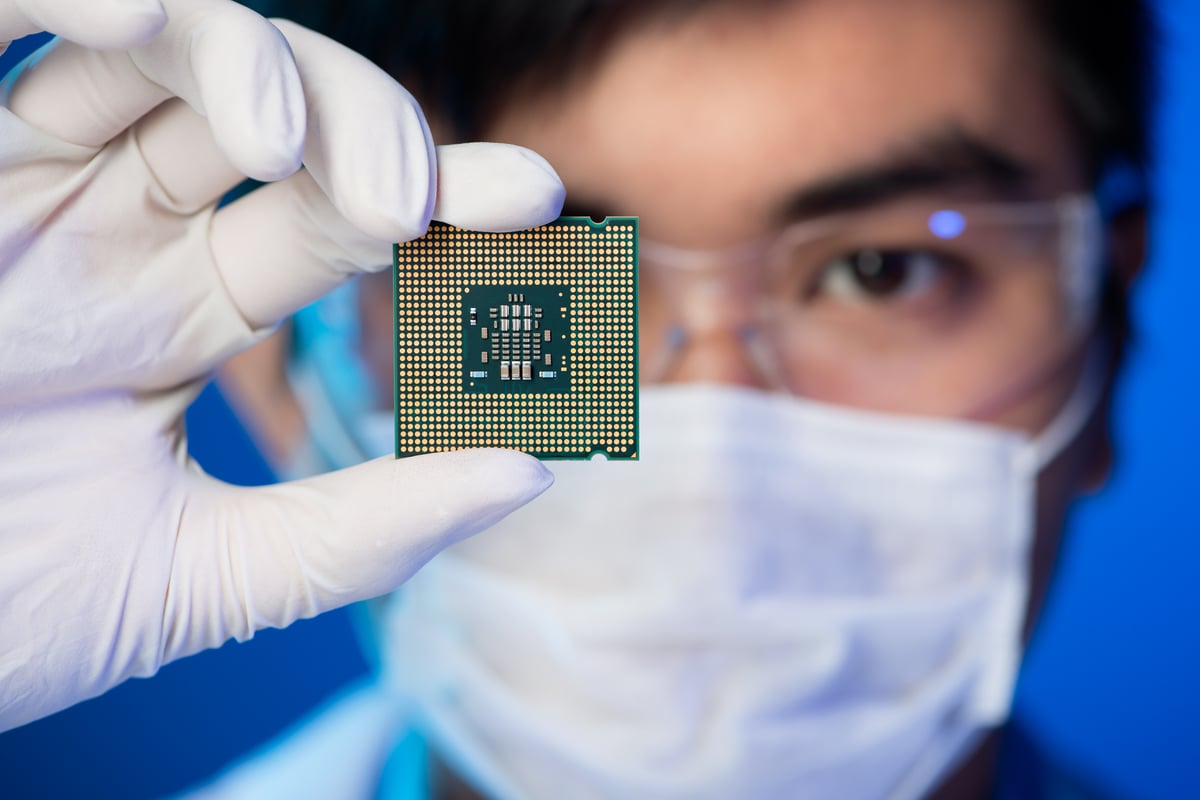
SK Hynix Rallies on HBM Supply Tightness
On September 8, SK Hynix shares jumped 7% as artificial intelligence customers pulled wafer capacity toward high-bandwidth chips and away from conventional DRAM used in smartphones. This allocation shift caused Micron to hold steady while Apple slipped, highlighting the growing tension between AI infrastructure demand and consumer electronics supply. The move underscores the critical role of Korean memory makers in the AI supply chain and suggests continued pricing power for HBM suppliers.

Foreign Investors Drive TSMC-Led Rally in Taipei
Taiwan’s stock market hit a historic second-highest close of 47,326 points on September 7, driven by foreign net buying of NT$88.3 billion. TSMC (2330) and MediaTek (2454) led the charge, with foreign investors adding nearly NT$40 billion to TSMC positions alone. This surge reflects global optimism about AI chip demand and TSMC’s dominant position in advanced node fabrication, pushing the index within striking distance of the 47,500 level.
HBM Market Share Shifts Between Samsung and SK Hynix
Counterpoint Research reported that SK Hynix’s HBM market share dropped to 50% in Q2 2026, while Samsung Electronics’ share rose to 33%. This shift has led analysts to adjust price targets, with LS Securities raising Samsung’s target to 450,000 won and cutting SK Hynix’s to 2.4 million won. The data indicates intensifying competition in the next-generation HBM4 segment, which could impact future capex decisions for both Korean giants.
KOSPI Breaks 7,000 on Semiconductor Strength
The South Korean KOSPI index surpassed the 7,000-point threshold on September 8, fueled by strong performance from Samsung Electronics and SK Hynix. The rally was supported by rising DRAM prices and expectations of sustained AI infrastructure investment. Foreign net buying in SK Hynix reached approximately 1.37 trillion won on September 7, signaling strong institutional confidence in the sector’s near-term outlook despite earlier volatility.
Local view
Taiwan (UDN & Newtalk): Local media highlighted the "King of Weight" (TSMC) leading the market to new heights. United Daily News (UDN) reported that foreign investors' NT$88.3 billion net buy was the fourth largest in history, with significant inflows into memory and active ETFs alongside TSMC. Newtalk News noted that the surge was partly driven by the US SOX index rising 3.38% the previous Friday, creating a ripple effect across Asian semiconductor stocks.
South Korea (Chosun & Segye Ilbo): Chosun Ilbo emphasized that the KOSPI's breakthrough of 7,000 was directly tied to the "semiconductor bull run" and rising DRAM sales. Segye Ilbo reported that securities firms have raised Q3 earnings expectations for both Samsung and SK Hynix, with some analysts issuing "Strong Buy" recommendations citing target prices of 670,000 won for Samsung and 4.7 million won for SK Hynix.
Context & numbers
- TSMC Revenue: TSMC reported $40.20 billion in Q2 2026 revenue, up 33.7% year-over-year, with a gross margin of 67.7%. Advanced nodes (7nm and below) accounted for 77% of wafer revenue.
- DRAM Prices: Server DRAM contract prices rose 45–50% in Q4 2025, with TrendForce projecting a further 55–60% quarter-on-quarter gain in Q1 2026, indicating sustained pricing pressure.
- CoWoS Capacity: TSMC’s CoWoS-L advanced packaging capacity is estimated to reach ~130,000 wafers per month by the end of 2026, up from ~75,000 in 2025, yet demand still outstrips supply.
- Foreign Net Buying (Taiwan): On September 7, foreign investors net bought NT$88.3 billion worth of stocks, with TSMC receiving the largest single-stock inflow.
On the radar
- TSMC Shareholder Meeting: While the July meeting passed, ongoing analyst commentary continues to focus on TSMC’s Arizona fab expansion and its impact on long-term capital expenditure guidance, with Bank of America maintaining a bullish stance.
- OpenAI & Oracle Earnings: Upcoming earnings from Oracle and news surrounding OpenAI’s new model releases are cited by Chosun Ilbo as key drivers for future semiconductor demand visibility.
- Japan Equipment Stocks: Japanese semiconductor equipment makers like Advantest and Tokyo Electron remain sensitive to US SOX index movements. Recent volatility saw these stocks dip following SOX declines, but they are expected to rebound if AI capex guidance remains strong.
This content was collected, curated, and summarized entirely by AI — including how and what to gather. It may contain inaccuracies. Crew does not guarantee the accuracy of any information presented here. Always verify facts on your own before acting on them. Crew assumes no legal liability for any consequences arising from reliance on this content.
Powered by
