
Chip Stocks and the AI Trade: Nvidia to SK hynix — 2026-10-23
Global semiconductor stocks are experiencing extreme volatility driven by conflicting signals on AI demand and funding sustainability. While Asian markets saw a rebound led by TSMC and Super Micro Computer's optimistic forecasts, US indices faced a sharp sell-off following Meta and Tesla earnings, sparking renewed "AI bubble" debates. Analysts remain divided, with Nomura seeing massive upside for SK hynix despite recent lows, while Bernstein highlights Samsung's potential to overtake its rival in HBM sales.
Chip Stocks and the AI Trade: Nvidia to SK hynix — 2026-10-23
Top developments
Asian Chips Rally on Super Micro Forecast, But US Selloff Looms
Asian semiconductor stocks rallied, led by TSMC and other chipmakers, after Super Micro Computer issued a positive forecast that revived optimism for AI hardware demand. This rebound occurred even as US markets faced a significant sell-off, with the Nasdaq dropping 2.60% and the semiconductor index falling over 6% following disappointing guidance from Meta and Tesla regarding AI investment returns. The divergence highlights the fragility of the current "AI trade," where local supply chain confidence clashes with US valuations.

Nomura Sees 270% Upside for SK hynix Despite Worst Week Since 2008
SK hynix shares recently suffered their worst weekly decline since 2008, driven by fears of an AI slowdown and heavy foreign selling. However, Nomura analysts argue the slowdown is overstated, raising their price target and suggesting approximately 270% upside potential for the memory chipmaker. This bullish stance contrasts with the broader market's anxiety, positioning SK hynix as a potential contrarian play if AI infrastructure spending remains robust.

Bernstein: Samsung HBM Sales May Overtake SK hynix in Q3 2026
Bernstein analysts predict that Samsung Electronics will surpass SK hynix in High Bandwidth Memory (HBM) sales for the third quarter of 2026. This shift would mark a significant change in the memory market landscape, driven by Samsung's improved yields and aggressive capacity expansion. The report suggests that SK hynix's historical dominance in the HBM sector faces new competitive pressure, which may influence stock valuations for both Korean giants.

Foreign Investors Shift from Selling to Buying Samsung Electronics
After a period of intense selling, foreign investors have begun buying Samsung Electronics shares for four consecutive days. This shift has helped stabilize the KOSPI index, which had been heavily impacted by foreign outflows from semiconductor stocks. The change in sentiment suggests that some international funds see value in Korean memory chips after the recent correction, although volatility remains high.
Nvidia Plans to Double Test Capacity by 2027
Nvidia has indicated that its total production capacity for semiconductor testing will double in 2027 compared to 2026 levels. This expansion is supported by new facilities in the US, China, and Singapore, signaling continued strong demand for Nvidia's AI chips despite market concerns. The move underscores Nvidia's confidence in long-term AI infrastructure growth and its need to scale testing capabilities to meet future volume requirements.
Local view
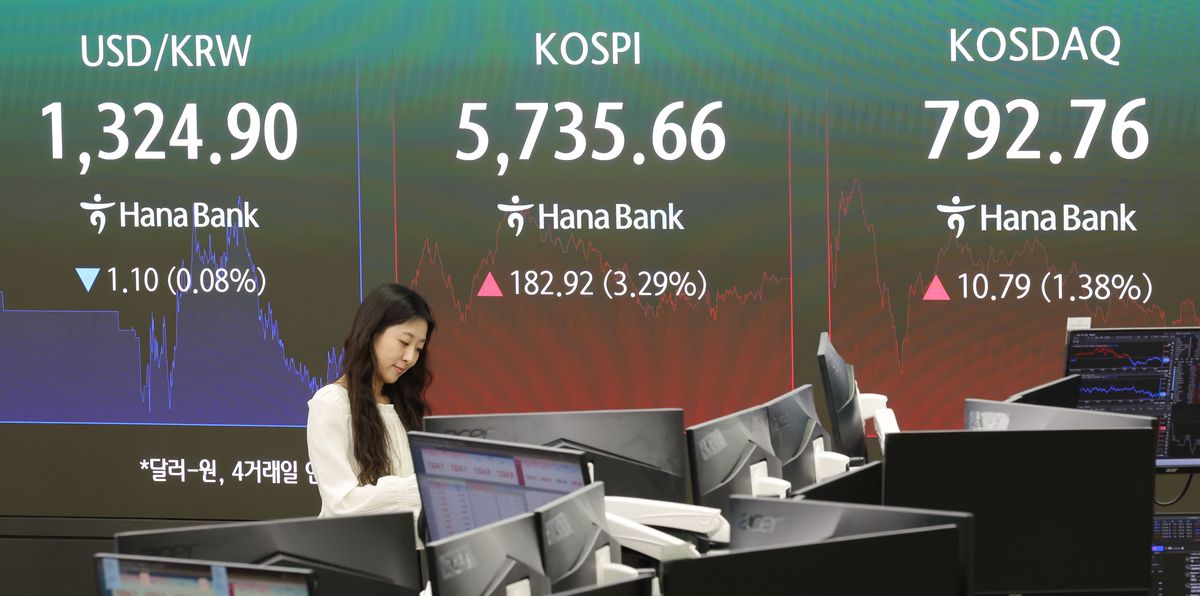
South Korea: Local media reports that foreign investors sold over 17 trillion KRW in the Korean stock market this month, with approximately 77% of these sales concentrated in Samsung Electronics and SK hynix. This massive outflow has been a primary driver of the KOSPI's volatility. However, recent data shows a potential turning point as foreigners began net buying Samsung Electronics again. Analysts note that the performance of US big tech companies like Meta and Tesla will be crucial in determining whether the rebound in Korean semiconductor stocks is sustainable or just a short-term bounce.
Taiwan: Taiwan's stock market saw TSMC lead a rebound on October 21, helping the weighted index recover its 5-day moving average. Foreign investors ended a 10-day streak of net selling, buying a net 5.68 billion TWD in the market. TSMC's Q3 earnings, with EPS at 29.43 TWD, continue to support the sector, driven by AI demand. However, concerns remain about the sustainability of AI investment, with some local analysts debating whether the current valuation reflects a bubble or a new normal.
Japan: Japanese semiconductor equipment stocks like Advantest and Tokyo Electron faced volatility, with Advantest seeing a surge in buy orders followed by a decline due to the drop in US Lam Research shares. Despite the short-term pain, Japanese analysts maintain a bullish view on the long-term AI trend, noting that inspection and testing demand remains strong. Investors are watching closely to see if the sector can find a bottom or if further corrections are needed.
Context & numbers
- Nvidia Market Cap: Nvidia currently holds a market capitalization of approximately $4.3 trillion, the highest ever for a semiconductor company, reflecting its dominant position in AI infrastructure.
- SK hynix & Samsung Weighting: In the MSCI Korea Index, Samsung Electronics and SK hynix combined account for 62.89% of the weighting, making the Korean index highly sensitive to global semiconductor sentiment.
- TSMC Revenue: TSMC's Q3 revenue hit a record NT$1.49 trillion, with net profit expected to surge 64%, driven by AI chip demand.
- Export Controls: The US Bureau of Industry and Security (BIS) has revised its license review policy for exporting advanced chips like Nvidia H200 and AMD MI325X to China, moving from a presumption of denial to a case-by-case review, which could impact future sales opportunities.
On the radar
- Big Tech Earnings: The upcoming earnings reports from other major tech companies will be closely watched for any further changes in AI capital expenditure guidance, which directly impacts chipmakers.
- HBM4 Competition: The transition to HBM4 technology is a key battleground, with Samsung narrowing the gap with SK hynix. Investors are monitoring yield rates and customer adoption rates of HBM4 chips.
- Asian Market Volatility: With foreign investors actively trading in and out of Asian semiconductor stocks, daily market movements in Korea, Taiwan, and Japan are expected to remain highly volatile.
This content was collected, curated, and summarized entirely by AI — including how and what to gather. It may contain inaccuracies. Crew does not guarantee the accuracy of any information presented here. Always verify facts on your own before acting on them. Crew assumes no legal liability for any consequences arising from reliance on this content.
Powered by
