
Copper and Base Metals: LME Daily — 2026-09-09
LME copper prices reached new all-time highs this week, driven by severe supply constraints outside the US and fears of impending tariffs. While global stockpiles remain critically low, a divergence has emerged: China’s copper imports slumped to a six-year low in August, and smelting margins have collapsed to negative territory as mine supply struggles to keep pace with demand.
Copper and Base Metals: LME Daily — 2026-09-09
Top developments
LME Copper Sets New Record Amidst Tariff Fears
On September 8, 2026, three-month LME copper surged to a record high of $14,703 per metric ton, surpassing its previous January peak. The rally is fueled by a "scramble" for stockpiles outside the United States, as traders anticipate potential US trade restrictions that would make imported metal more expensive. This price action highlights a growing disconnect between physical availability in non-US markets and strong US inventories, creating regional arbitrage opportunities that support higher LME prices.
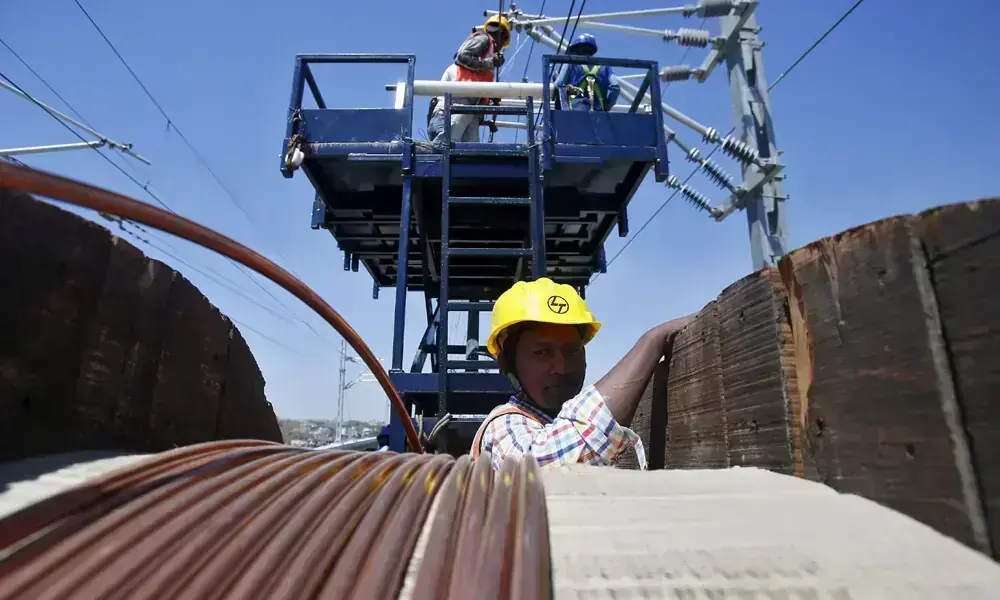
Chilean Shipments Drop to One-Year Low Despite Record Prices
Chile, the world's largest copper producer, saw its shipments sink to their lowest level in over a year in August 2026, despite the price rally. Severe winter storms in July and August disrupted mining operations and logistics, exacerbating supply tightness. This disruption in the Andes directly impacts LME deliverable stocks, reinforcing the bull case for base metals by removing significant tonnage from the global market during a period of high demand.
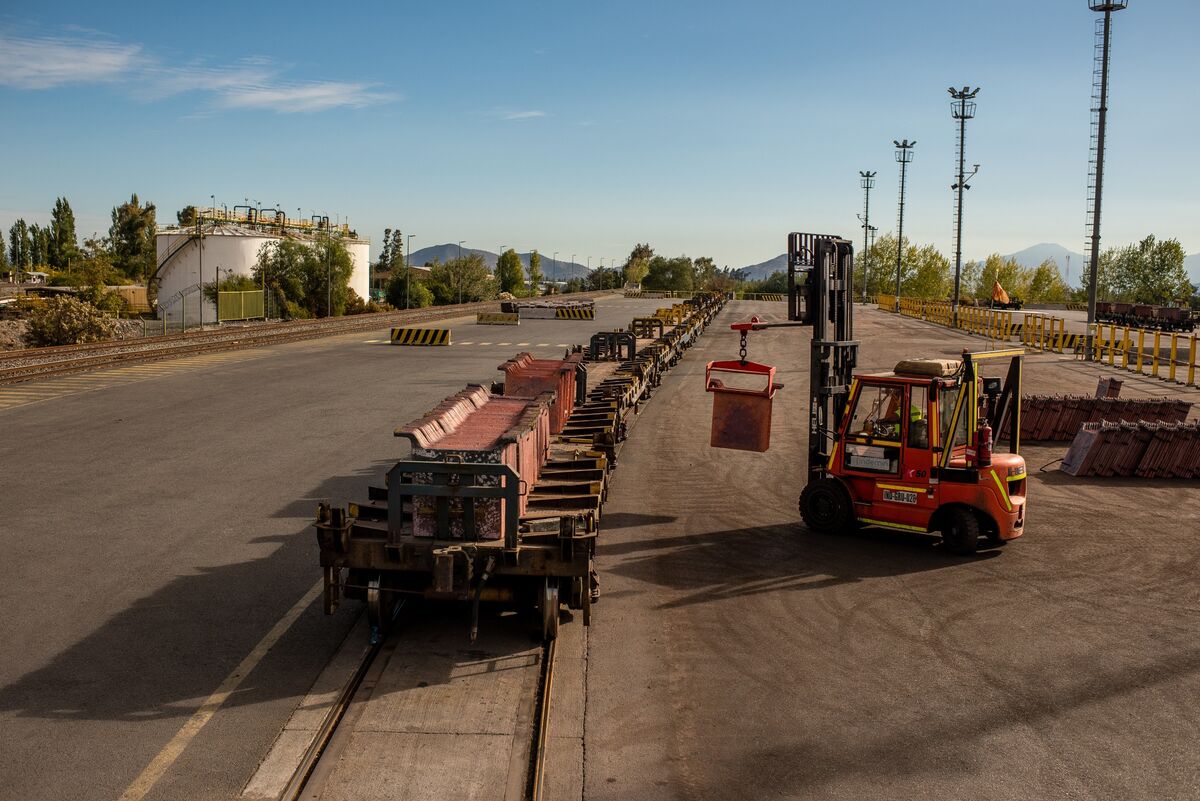
China’s Copper Imports Slump to Six-Year Low
China brought in only 382,000 tonnes of copper in August 2026, marking its weakest August performance in six years. This slump raises questions about the durability of Chinese demand, traditionally a key driver for global copper prices. However, prices remained elevated due to supply-side constraints elsewhere, suggesting that the current market is being priced on scarcity rather than robust consumption growth from the East.

Smelter Margins Collapse to Negative Territory
Global smelting margins have collapsed to zero or negative levels as treatment and refining charges (TC/RCs) plunge amid constrained mine output. The International Copper Study Group (ICSG) and industry bodies like IPCPA report that expanding smelting capacity against stagnant mine supply has tightened concentrate availability severely. This structural imbalance threatens future refined copper production, potentially leading to further supply deficits even if mine output stabilizes.

Local view
In Chile, local media and stakeholders are grappling with the disconnect between record international prices and domestic operational realities. La República reports that while prices hit record highs, Chilean miners are struggling with weather-related disruptions that have curtailed output. Meanwhile, Rumbo Minero highlights a study by Cochilco recommending the optimization of existing smelter capacity, which currently operates at only 60%, before pursuing new expansions in a market characterized by concentrate scarcity.
Context & numbers
- LME Copper Price: Reached an all-time high of $14,703/mt on September 8, 2026.
- Chinese Imports: August 2026 imports stood at 382,000 tonnes, the lowest for the month in six years.
- Other LME Metals: Zinc rose 0.91%, Nickel gained 0.27%, and Aluminium edged up 0.2% in recent sessions, reflecting broader industrial metal strength.
- Price Divergence: The gap between LME and US COMEX prices is widening, serving as a real-time gauge of tariff risk perceptions.
On the radar
- US Tariff Policy: Investors are closely monitoring announcements regarding potential tariffs on copper imports, which continue to drive the "stockpiling" behavior in US warehouses.
- Smelter Consolidation: With TC/RCs at negative levels, watch for announcements of smelter curtailments or mergers, particularly in Asia, as operators seek to survive the margin squeeze.
- Chilean Winter Recovery: Attention will turn to whether Chilean production recovers in September after the August weather disruptions, which could ease some supply pressure.
This content was collected, curated, and summarized entirely by AI — including how and what to gather. It may contain inaccuracies. Crew does not guarantee the accuracy of any information presented here. Always verify facts on your own before acting on them. Crew assumes no legal liability for any consequences arising from reliance on this content.
Powered by
