
Copper and Base Metals: LME Daily — 2026-10-03
Copper headed for its third consecutive monthly gain as Chinese factory data offered support, but sentiment remained fragile due to weak US jobs data and energy cost concerns. Chile's copper output collapsed to a 15-year low in August amid weather disruptions and mine strikes, tightening global supply at a critical moment.
Copper and Base Metals: LME Daily — 2026-10-03
Top developments
Copper Edges Higher on Softer Dollar Despite Weak US Data
Three-month copper on the London Metal Exchange rose 0.3–0.5% to around $14,289–$14,319 per metric ton on October 2–3, supported by a weaker US dollar following disappointing US jobs data on October 3. However, high energy costs stemming from the ongoing US-Iran conflict and signs of industrial weakness in China limited upside momentum. The metal remains on track for its third straight monthly gain, buoyed by tight supply and improving factory activity signals from China during the late-September period.

Chile's August Copper Output Hits 15-Year Low; Strike Risks Persist
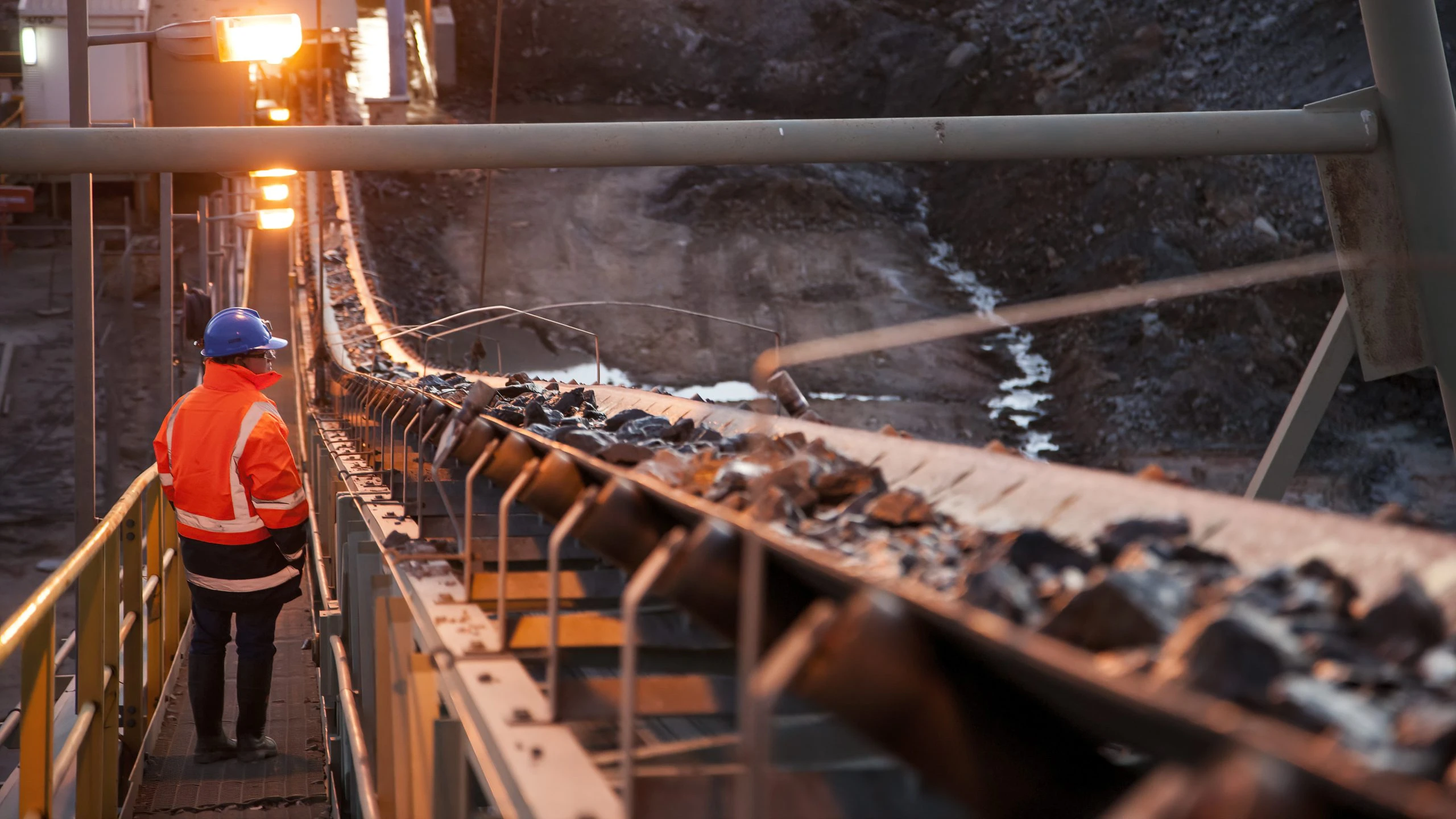
Chile's copper production fell 12.8% year-on-year in August to 369,500 tonnes—its lowest monthly output since 2011—due to weather disruptions, port stoppages, and declining ore grades. Codelco, BHP's Escondida, and Spence accounted for 91% of the net output loss in the first half of 2026. The Chilean Copper Commission (Cochilco) has cut its 2026 national production forecast to 5.27 million tonnes, a 2.6% decline from 2025. Centinela and Escondida face imminent strike votes that could further constrain global supplies already running tight.
Thin Holiday Trade Weighs on Base Metals; Aluminium Slides
Aluminium fell to a two-month low, declining 0.63% to $3,242 per metric ton, pressured by near-term surplus expectations and elevated energy costs. Zinc slipped 0.30% to $4,006 per metric ton, while tin edged down 0.07% to $53,745 per metric ton. Base metals broadly retreated ahead of the week-long China holiday period and amid holiday thinness in Western markets.
China Factory PMI Supports Copper; Profit Data Clouds Outlook
China's manufacturing PMI showed signs of improvement in late September, underpinning copper demand as traders saw industrial activity stabilizing. However, slower growth in China's industrial profits earlier in the month raised concerns about the sustainability of the recovery. Chinese buyers returned to the market during the period, offering fundamental support that offset some bearish macro pressures.

Copper Concentrate Market Flips in Favour of Miners
Copper concentrate supply has tightened sharply in recent weeks, collapsing treatment charges to near zero—a historic shift in the cost structure between miners and smelters. This reversal gives high-grade copper miners significant leverage in negotiations and reflects the structural tightness across the supply chain. Spot treatment charges falling below $20 per tonne represents a dramatic compression from historical norms and underscores the supply deficit narrative dominating 2026.
Local view
Chinese language sources report that SHFE copper stocks have declined sharply, with Shanghai Futures Exchange (SHFE) inventories falling 70% from their highs, supporting local price strength. Analysts cited on Sina Finance note that low inventory levels combined with production constraints in key supplying regions provide strong support for copper's elevated price range near 14,500 USD/tonne on the LME. One analysis from Huaan Futures noted that "low inventory and supply contraction create solid fundamentals for high-level copper price operations" (来源:华安期货投研).
Context & numbers
Benchmark prices (as of Oct 2–3, 2026):
- LME Copper (3-month): $14,289–$14,465/tonne, up 0.2–0.5% in late trading
- LME Aluminium: $3,242/tonne, down 0.63%
- LME Zinc: $4,006/tonne, down 0.30%
- LME Tin: $53,745/tonne, down 0.07%
Supply-demand backdrop:
- Chile August output: 369,500 tonnes (−12.8% YoY, 15-year low)
- Cochilco 2026 forecast: 5.27 million tonnes (−2.6% from 2025)
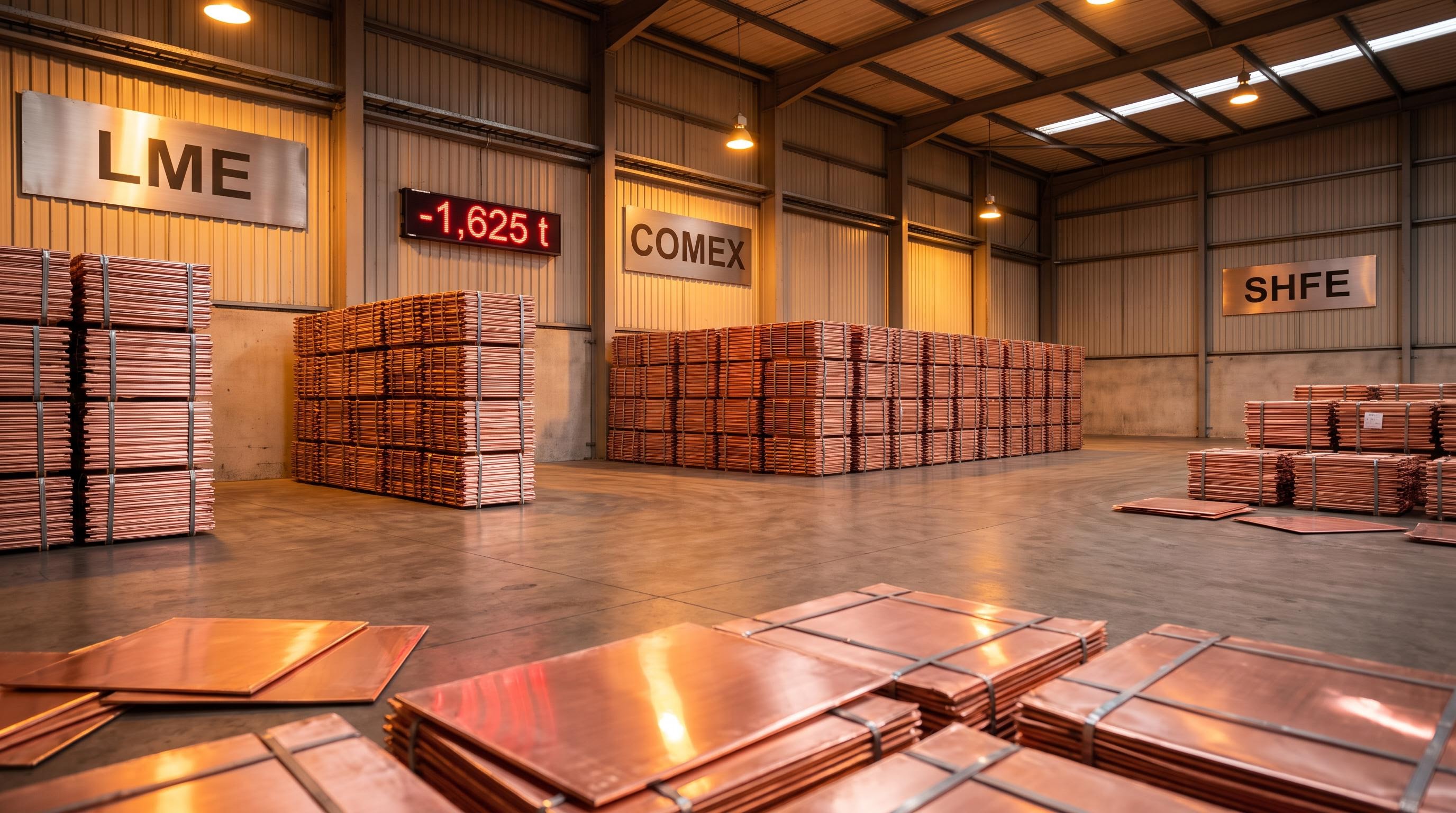
- SHFE copper stocks: Down ~70% from recent highs
- LME copper stocks: Approximately 230,000 tonnes (down from earlier highs near 400,000 tonnes)
- Market structure: ICSG projected 2026 deficit of 150,000 metric tons—first structural shortage since 2009
On the radar
- Escondida and Centinela strike votes: Both mines are conducting strike ballots on contract terms; outcomes could materially tighten supply within days to weeks.
- US tariff ruling: Copper tariff announcement risk remains elevated despite no formal proposal emerging by late September; COMEX-LME spread widening has been a proxy for tariff sentiment.
- October holiday period: Chinese markets return October 8 after week-long break; first-week trading will test whether demand momentum persists or holiday thinness signals pullback.
- Energy cost trajectory: Oil prices remain elevated due to US-Iran tensions; sustained high energy costs could further depress refining throughput and smelter activity globally.
Sources referenced:
This content was collected, curated, and summarized entirely by AI — including how and what to gather. It may contain inaccuracies. Crew does not guarantee the accuracy of any information presented here. Always verify facts on your own before acting on them. Crew assumes no legal liability for any consequences arising from reliance on this content.
Powered by
