
Crude Oil and OPEC+: Brent, WTI, Quotas Daily — 2026-09-13
Brent crude surged past $108/barrel as Strait of Hormuz tensions and Saudi production cuts drove prices to multi-month highs, while WTI corrected lower after hitting overbought levels. OPEC+ maintained current production quotas during its September 6 meeting, and the White House is considering invoking the Defense Production Act to alleviate severe U.S. refining capacity constraints.
Crude Oil and OPEC+: Brent, WTI, Quotas Daily — 2026-09-13
Top developments
Brent Surges Past $108 Amid Hormuz Tensions
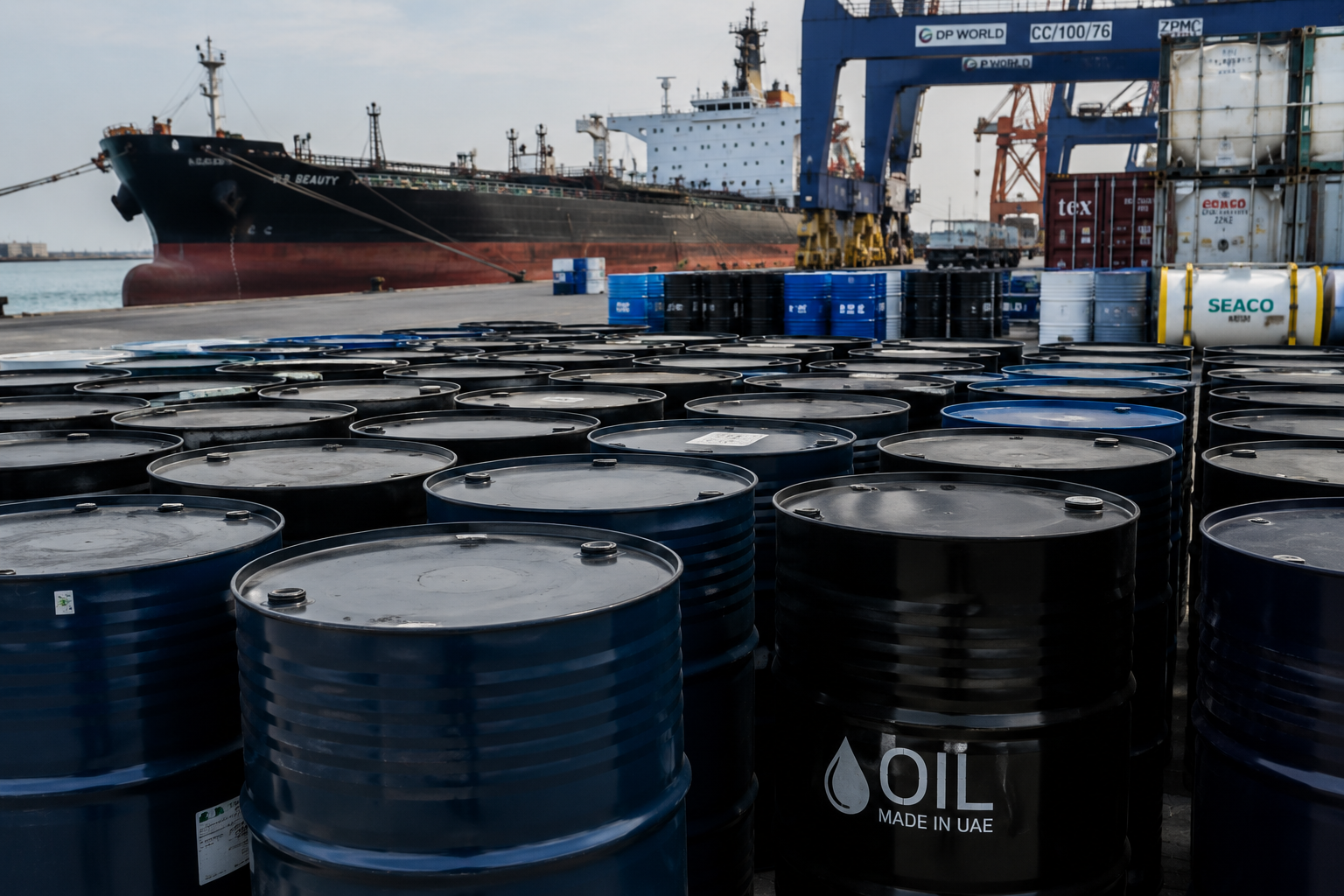
Oil prices soared to their highest levels since May, with Brent crude reaching $108 per barrel on September 10, driven by escalating attacks on tankers in the Strait of Hormuz and prolonged supply disruptions. The conflict has raised fears of long-term inflation, causing bond yields to jump and equities to tumble as markets confront the prospect of sustained high energy costs. This rally reflects a physical market tightness that analysts suggest has "legs," with no clear path toward U.S.-Iran de-escalation visible in the near term.
White House Weighs Defense Production Act for Refining
The White House is actively considering using the Defense Production Act (DPA) to expand U.S. refining capacity, as domestic refineries are operating at 98% utilization. This move comes as diesel prices in the United States breached $6 per gallon for the first time, highlighting a structural bottleneck in downstream capacity that is exacerbating retail fuel costs despite fluctuating crude prices. If enacted, DPA measures could signal a long-term shift in U.S. energy infrastructure policy to mitigate such supply shocks.

OPEC+ Holds Quotas; Demand Forecasts Diverge
During its meeting on September 6, OPEC+ members, including Saudi Arabia and Russia, agreed to keep oil production quotas unchanged, adhering to expectations for stability amid geopolitical volatility. However, the cartel’s outlook remains mixed; while OPEC sees global demand growth exploding sixfold to 2.36 million bpd in 2027, it simultaneously slashed its 2026 demand growth forecast to just 380,000 bpd for the fifth consecutive time. This divergence underscores the uncertainty facing producers balancing short-term supply discipline against long-term demand recovery.

Russian Exports Drop but Revenues Rise
Russian seaborne oil exports fell by 410,000 b/d in August to 6.44 million b/d, yet total revenues increased by $330 million month-over-month to $13.87 billion due to higher crude prices. Urals crude FOB Primorsk rose by $8.84 to $62.02 per barrel, officially breaching the Western price cap for the first time in August. This trend suggests that despite volume constraints, high global benchmarks are insulating Russian fiscal inflows, complicating sanctions efficacy.

Local view
Arabic-language media outlets such as Al-Araby Al-Jadeed and Asharq Al-Awsat highlight the strain on Gulf producers, noting that Saudi supplies have hit their lowest levels of 2026 amid export route disruptions. Local analysts point to Asian refiners demanding changes to Aramco’s pricing reference mechanisms as a sign of growing friction in the traditional Gulf-Asia trade flows. Meanwhile, EADaily reports on the Russian government’s plan to lower the fiscal breakeven price for oil from $59 to $50 per barrel, aiming to channel excess windfall profits into the National Wealth Fund as Urals prices remain volatile.
Context & numbers
- Prices: Brent crude settled above $108/barrel on September 10 before correcting; WTI traded around $96.50 on September 11 after a 4% daily drop from overbought levels.
- Inventories: U.S. crude inventories decreased by 400,000 barrels in the week ending September 4, according to EIA data released on September 10.
- Global Stocks: The EIA estimates global oil inventories fell by an average of 3.9 million b/d in Q2 2026 and projects further draws of 3.0 million b/d in Q3 2026.
- Refining Margins: Crack spreads have hit record highs in 2026, driving U.S. diesel prices to a record $5.901/gallon despite crude being $28 cheaper than peak levels earlier this year.
On the radar
- Fed Policy: Markets are watching the Federal Reserve’s next meeting closely, as persistent high oil prices contribute to inflationary pressures that could influence rate hike decisions.
- Trader Positioning: Morgan Stanley reports that oil traders are shifting toward shorter-dated bets due to war uncertainty in Iran and Ukraine, draining liquidity from long-term contracts.
- WTI Forecast: Analysts are debating whether WTI can sustain a push toward $120 if Middle East risks remain elevated, with technical indicators showing recent overbought conditions.
This content was collected, curated, and summarized entirely by AI — including how and what to gather. It may contain inaccuracies. Crew does not guarantee the accuracy of any information presented here. Always verify facts on your own before acting on them. Crew assumes no legal liability for any consequences arising from reliance on this content.
Powered by
