
EM Sovereign Debt: Restructurings, IMF, Eurobonds — 2026-09-19
Argentina faces a critical liquidity squeeze with $4 billion in debt maturities due by year-end and a pending IMF disbursement, while the IMF warns of a severe economic contraction in Lebanon. Meanwhile, Pakistan’s foreign reserves hit a record high following Eurobond inflows, and an IMF mission is set to arrive in Islamabad to negotiate the next tranche.
EM Sovereign Debt: Restructurings, IMF, Eurobonds — 2026-09-19
Top developments
Argentina faces $4B maturity wall amid rising country risk
Argentina must pay approximately USD 4,000 million in debt maturities between now and December 2026. Analysts expect this to be funded through a pending IMF disbursement of about USD 1,000 million, potential new loans, privatizations, and bond placements. The country's risk premium (riesgo país) reached a one-month high of 524 basis points on September 18, driven by global volatility and domestic policy concerns, while reserves fell below USD 50,000 million. An IMF mission has arrived in Argentina to conduct the third review of its program, with a key debt repayment scheduled for September 25.

IMF predicts severe contraction for Lebanon’s economy in 2026
The International Monetary Fund (IMF) warned that Lebanon’s economy will undergo a significant contraction in 2026, citing ongoing regional conflicts, high inflation, and energy costs. The IMF mission, led by Ernesto Ramirez Rigo, concluded visits to Beirut between September 15–18, emphasizing the urgent need for bank restructuring and fiscal consolidation. Public debt stands at approximately $46.3 billion (139.4% of GDP), and discussions are underway regarding the restructuring of sovereign debt and bank losses.

Pakistan reserves hit record high as IMF mission approaches
Pakistan’s foreign exchange reserves surpassed USD 26.79 billion, driven by inflows from recent Eurobond issuances. An IMF delegation is scheduled to arrive in Islamabad on September 23 to conduct negotiations for the next tranche of funding, estimated at USD 1.2 billion. The government aims to secure this disbursement by completing the fourth economic review, which includes discussions on electricity tariff adjustments.

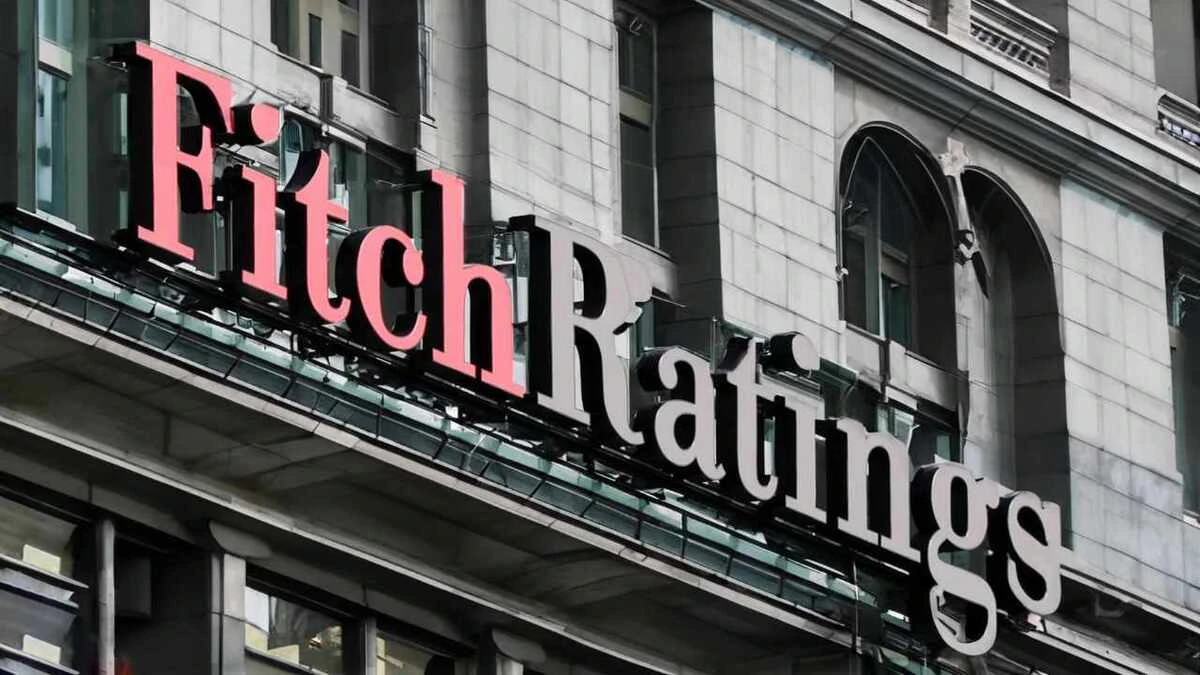
Fitch warns Nigeria’s $5B TRS strategy raises liquidity risks
Fitch Ratings raised concerns about Nigeria’s use of Total Return Swaps (TRS) and repo transactions as alternative financing tools for its $5 billion debt restructuring needs. The rating agency warned that these structures could create transparency, liquidity, and creditor-recovery risks, despite helping the government diversify funding sources away from traditional Eurobonds.
Local view
Argentina: Local media reports that the "country risk" (riesgo país) rose for the fifth consecutive day, hitting 524 basis points, reflecting investor anxiety over the Fed's rate decisions and local fiscal policy restrictions on eCheq financing.
Lebanon: Arabic-language outlets highlight the IMF’s stark warning that the Lebanese economy faces a "sharp contraction" in 2026 due to the ongoing conflict in the Middle East and unaddressed structural flaws in the banking sector.
Pakistan: Urdu media emphasize the positive impact of Eurobond inflows on state reserves, noting that commercial banks hold over USD 5.4 billion, providing a buffer ahead of the crucial IMF talks.
Context & numbers
- Argentina Debt Service: USD 4,000 million due by December 2026; pending IMF tranche ~USD 1,000 million.
- Argentina Risk Premium: 524 basis points (one-month high) as of Sept 18.
- Pakistan Reserves: >USD 26.79 billion total; >USD 5.4 billion held by commercial banks.
- Lebanon Debt: ~$46.3 billion (139.4% of GDP).
- Nigeria Financing: $5 billion exposure via Total Return Swaps flagged for liquidity risks.
On the radar
- Sept 23: IMF mission arrives in Pakistan to begin negotiations for the next USD 1.2 billion tranche.
- Sept 25: Argentina has a scheduled capital repayment to the IMF linked to its EFF agreement.
- Q4 2026: Argentina must manage remaining ~$3 billion in maturities beyond the immediate September payments, relying heavily on the outcome of the current IMF review and reserve accumulation.
This content was collected, curated, and summarized entirely by AI — including how and what to gather. It may contain inaccuracies. Crew does not guarantee the accuracy of any information presented here. Always verify facts on your own before acting on them. Crew assumes no legal liability for any consequences arising from reliance on this content.
Powered by
