
Europe Stocks: STOXX 600, DAX, CAC 40 and FTSE MIB — 2026-09-15
European equities closed lower on Monday, September 14, with Milan’s FTSE MIB dropping 1.7% as oil prices surged toward $110/barrel and tech sector fears weighed on sentiment. The ECB raised its deposit rate by 25 basis points to 2.5% on September 11, citing persistent inflation risks from Middle East tensions, which has heightened sensitivity in banking and utility sectors. Meanwhile, the BTP-Bund spread widened to 87 points as investors reassess Italian fiscal risks against the backdrop of rising energy costs.
Europe Stocks: STOXX 600, DAX, CAC 40 and FTSE MIB — 2026-09-15
Top developments
Milan leads losses as oil hits $110 and tech fears mount
The FTSE MIB fell 1.7% on Monday, September 14, marking it as the worst performer among major European indices. The decline was driven by a spike in Brent crude prices toward $110 per barrel and a broader sell-off in technology stocks following concerns over AI regulation and valuation. This move underscores the vulnerability of European indices to energy shocks, particularly given the region's reliance on imported energy. The drop in Milan contrasts with earlier gains in the week, reflecting renewed risk-off sentiment ahead of the Federal Reserve's upcoming decision.
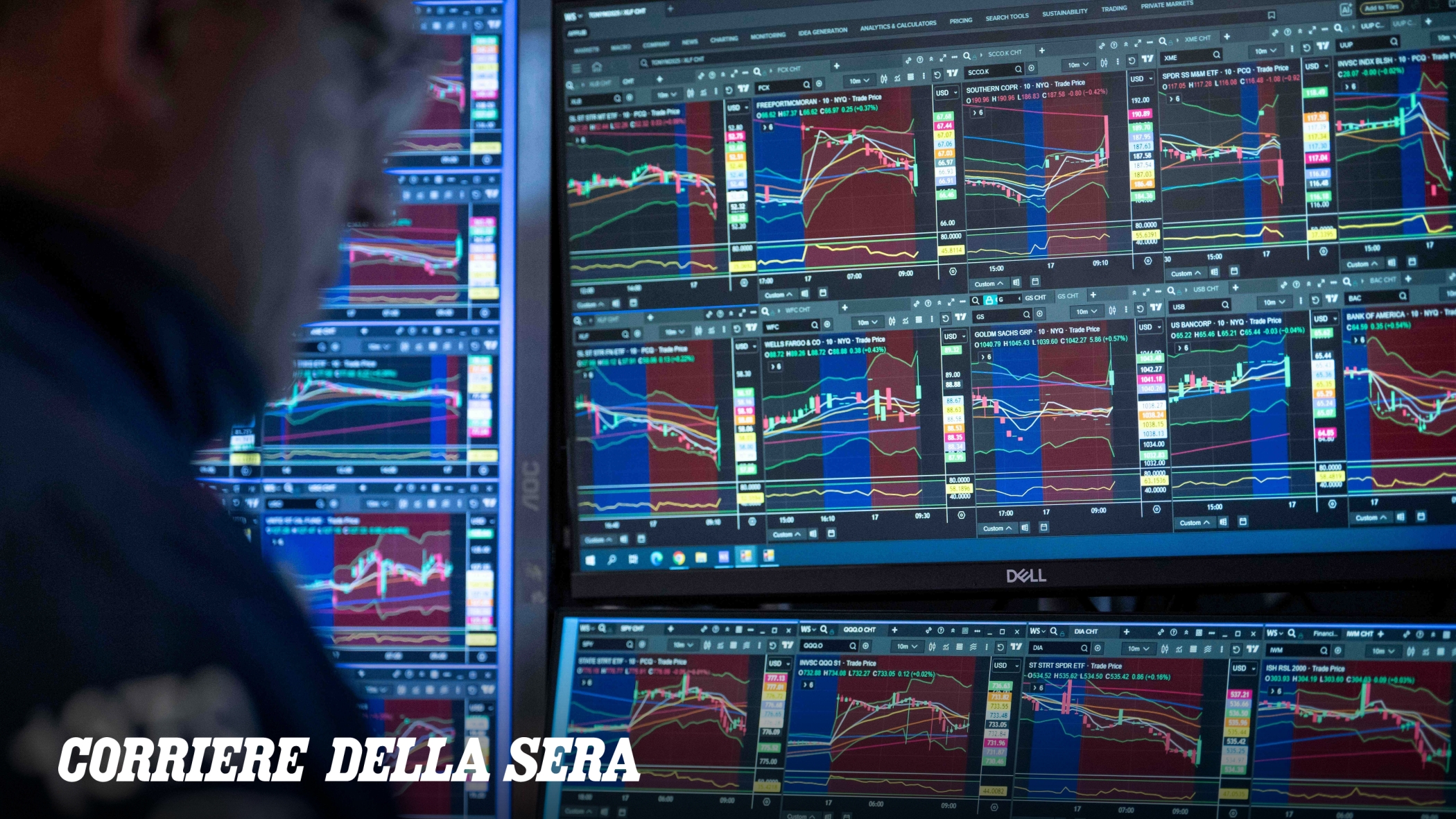
ECB hikes deposit rate to 2.5% amid geopolitical inflation risks
On Friday, September 11, the European Central Bank (ECB) raised its deposit rate by 25 basis points to 2.5%, signaling that further tightening may be necessary if inflation remains elevated. The decision was influenced by persistent price pressures from the ongoing conflicts in Iran and Ukraine, which have disrupted energy supply chains. While the hike was largely anticipated, the ECB's guidance emphasized that the "last mile" of disinflation is proving difficult, keeping banks and rate-sensitive sectors under pressure. This move directly impacts the euro's trajectory and Bund yields, as traders adjust expectations for future policy paths.

DAX struggles near 26,000 points as inflation worries persist
Germany’s DAX index faced headwinds throughout the week, struggling to maintain levels above 26,000 points due to high energy prices and uncertainty surrounding the ECB's monetary path. Although the index stabilized slightly towards the end of last week, it entered the new week in negative territory, pressured by the Fed's looming rate decision and the ECB's recent hike. Industrial and automotive sectors, which are sensitive to energy costs, were particularly weak. The DAX's performance highlights the tension between strong corporate earnings reported earlier in the year and the macroeconomic drag from geopolitical instability.

Local view
Italian financial media highlighted the severity of Monday's sell-off, with Corriere della Sera noting that gas prices reached historical highs while oil approached $110, creating a "black Monday" for European markets. Il Sole 24 Ore pointed to the collapse in tech stocks, including Nvidia, as a key driver of the broader European decline, with Milan suffering the most among major hubs. In France, BFM Bourse reported that the CAC 40 dropped toward 8,100 points as markets priced in further rate hikes, while luxury stocks faced pressure from weakening consumer demand signals.
Context & numbers
- FTSE MIB: Closed down 1.7% on September 14, leading European losses.
- BTP-Bund Spread: Widened to 87 points on September 14, with the Italian 10-year yield at 4.38% and the German Bund at 3.51%.
- ECB Deposit Rate: Raised to 2.5% on September 11.
- STOXX 600: Mixed performance recently; rose 0.3% to 637.60 points on September 11 but faced pressure subsequently.
- CAC 40: Flanked toward 8,100 points in mid-week trading, down from highs earlier in the month.
On the radar
- Fed Decision: Investors are closely watching the upcoming Federal Reserve interest rate decision, which will likely influence global equity sentiment and the euro-dollar exchange rate.
- Energy Prices: Continued volatility in oil and gas prices remains a primary risk factor for European industrials and utilities, with gas prices at historical highs.
- Tech Sector Volatility: The AI sector's correction is spreading from the US to Europe, impacting tech-heavy components of the DAX and STOXX 600.
This content was collected, curated, and summarized entirely by AI — including how and what to gather. It may contain inaccuracies. Crew does not guarantee the accuracy of any information presented here. Always verify facts on your own before acting on them. Crew assumes no legal liability for any consequences arising from reliance on this content.
Powered by
