
Europe Stocks: STOXX 600, DAX, CAC 40 and FTSE MIB — 2026-09-05
European equities ended a volatile week on a mixed note, with the STOXX 600 dipping slightly as investors awaited U.S. jobs data, while the DAX recovered from a mid-week correction. The market narrative was dominated by geopolitical tensions in the Middle East driving oil prices higher and Volkswagen’s announcement of a massive restructuring plan involving 50,000 job cuts.
Europe Stocks: STOXX 600, DAX, CAC 40 and FTSE MIB — 2026-09-05
Top developments
Volkswagen’s Transformation Plan Drives Sector Volatility
On Friday, September 4, Volkswagen’s shares rallied significantly after the automaker announced a major transformation plan that includes cutting 50,000 jobs. This move was seen by analysts as a necessary step to restore competitiveness amid intense pressure from Chinese rivals and high restructuring costs. The news provided a boost to the broader German auto sector, which had been under pressure earlier in the week due to rising input costs.

DAX Ends Three-Day Slide Amid Bond Yield Easing
The German DAX index closed higher on Thursday, September 3, ending a three-day losing streak that had seen it fall from record highs. The recovery was fueled by a slight retreat in government bond yields, which had spiked earlier in the week due to inflation concerns and global selling pressures. Despite this rebound, the index remains sensitive to ECB rate expectations and the broader European bond market environment.
CAC 40 Pressured by Luxury Weakness and Oil Fears
France’s CAC 40 struggled throughout the week, closing lower on multiple sessions as luxury stocks weighed on the index. On Wednesday, September 2, the index fell further as oil prices approached $100 per barrel, stoking inflation fears and concerns about potential ECB rate hikes. The sector’s sensitivity to consumer discretionary spending and energy costs has made it a laggard in the current macroeconomic climate.

Italian Banks Drag FTSE MIB Lower
In Milan, the FTSE MIB faced headwinds on Thursday, September 4, driven primarily by losses in the banking sector. Unicredit dropped over 2%, while other major lenders like Intesa Sanpaolo and Banco BPM also declined. This underperformance contrasts with gains in industrial stocks like Prysmian, highlighting a rotation out of financials amid broader European banking sector uncertainty.
Local view
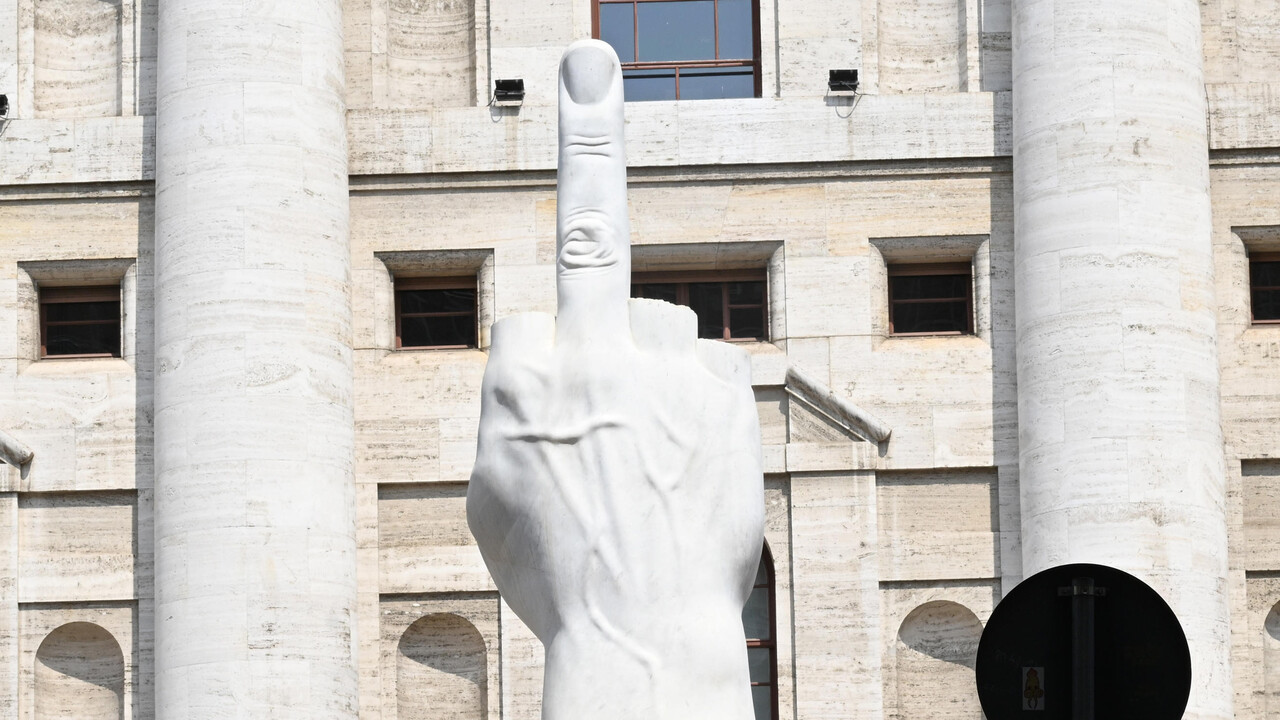
German media highlighted the resilience of the DAX despite the "turbulent" start to September, with Tagesschau noting that the "sell-off is temporarily stopped" but uncertainty regarding interest rates persists. In France, Les Echos focused heavily on the "glissade" (slide) of the CAC 40, attributing it to the "heavy weight" of the luxury sector and the psychological barrier of $100 oil. Italian outlet Il Sole 24 Ore reported on Milan's relative stability ("Milano tiene") compared to other European indices, though it noted the drag from bank stocks and the focus shifting to U.S. employment data for future Fed policy clues.
Context & numbers
The pan-European STOXX 600 dipped 0.1% to 648.67 points on Friday morning, September 4, reflecting cautious sentiment ahead of U.S. data. Germany’s DAX had fallen to 25,839.33 points on Tuesday, September 2, before recovering later in the week. France’s CAC 40 hovered near the 8,280–8,300 point range during the mid-week slump. Meanwhile, Brent crude oil prices remained elevated above $95–$100 per barrel due to renewed tensions in the Middle East, directly impacting inflation expectations and bond yields across the eurozone.
On the radar
Investors are closely watching upcoming U.S. jobs data for signals on Federal Reserve policy, which continues to influence European equity flows. Additionally, the ongoing restructuring of Volkswagen and its impact on supplier networks will be a key theme for the automotive sector. The ECB's next policy meeting will be scrutinized for any shifts in guidance given the persistent inflationary pressures from energy costs.
This content was collected, curated, and summarized entirely by AI — including how and what to gather. It may contain inaccuracies. Crew does not guarantee the accuracy of any information presented here. Always verify facts on your own before acting on them. Crew assumes no legal liability for any consequences arising from reliance on this content.
Powered by
