
European Power and Carbon: EUA, Day-Ahead Prices — 2026-09-17
European carbon allowances (EUA) surged to their highest levels since January 2026, driven by soaring natural gas prices that have made coal generation more economically viable. This shift in the fuel-switching margin has rippled through day-ahead markets, with French evening prices nearing €300/MWh due to nuclear outages and German spot prices spiking amid low wind conditions.
European Power and Carbon: EUA, Day-Ahead Prices — 2026-09-17
Top developments
EU Carbon Hits Multi-Month High on Coal Resurgence
On September 14, 2026, EU carbon allowances (EUA) rose to their highest level since January, reaching approximately €87.75/t. This surge was primarily driven by elevated natural gas prices, which have made burning coal for power generation more attractive than gas in several European markets. The increased coal usage directly boosts demand for emission allowances, tightening the supply-demand balance in the EU ETS.
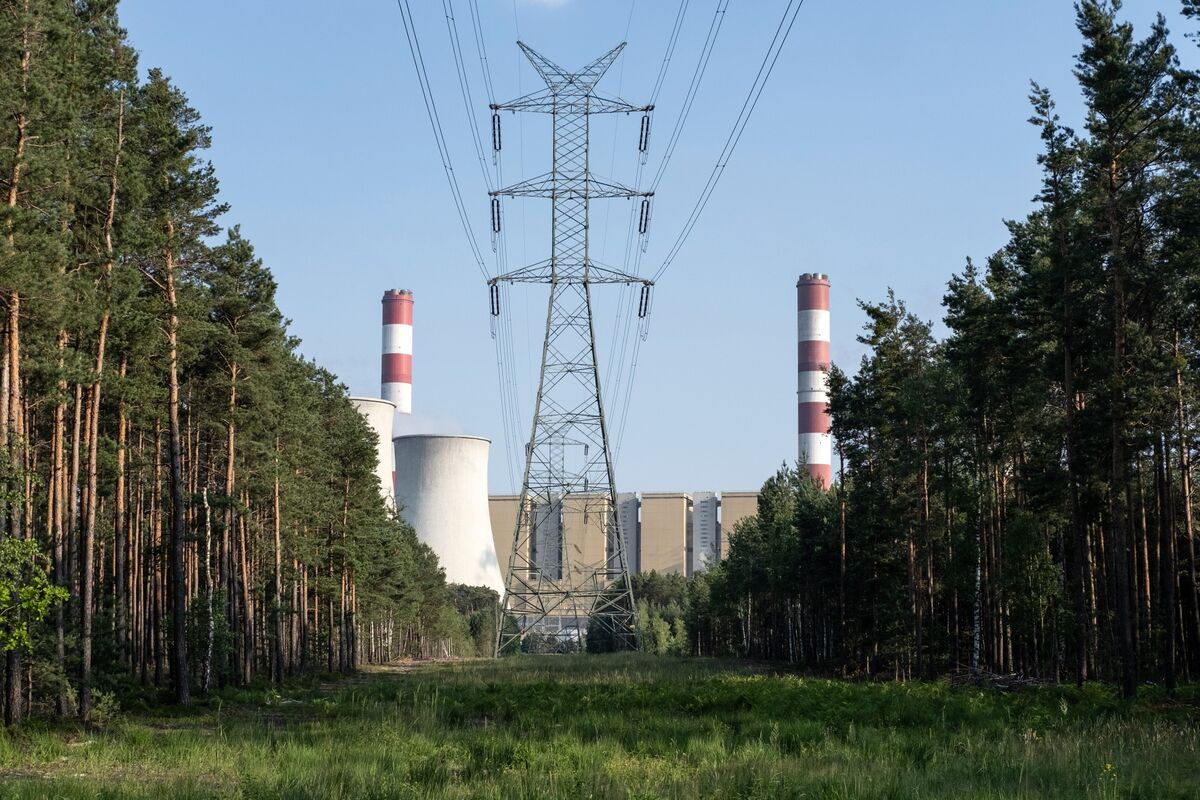
French Day-Ahead Prices Near €300/MWh Amid Nuclear Shortfalls
France experienced a severe tightness in its power market on the evening of September 15, 2026, with day-ahead prices approaching €300/MWh. The spike was caused by lower-than-expected nuclear availability, forcing reliance on more expensive marginal generation sources. This event highlights the fragility of the French grid during periods of reduced nuclear output and underscores the strong correlation between nuclear maintenance schedules and wholesale price volatility.
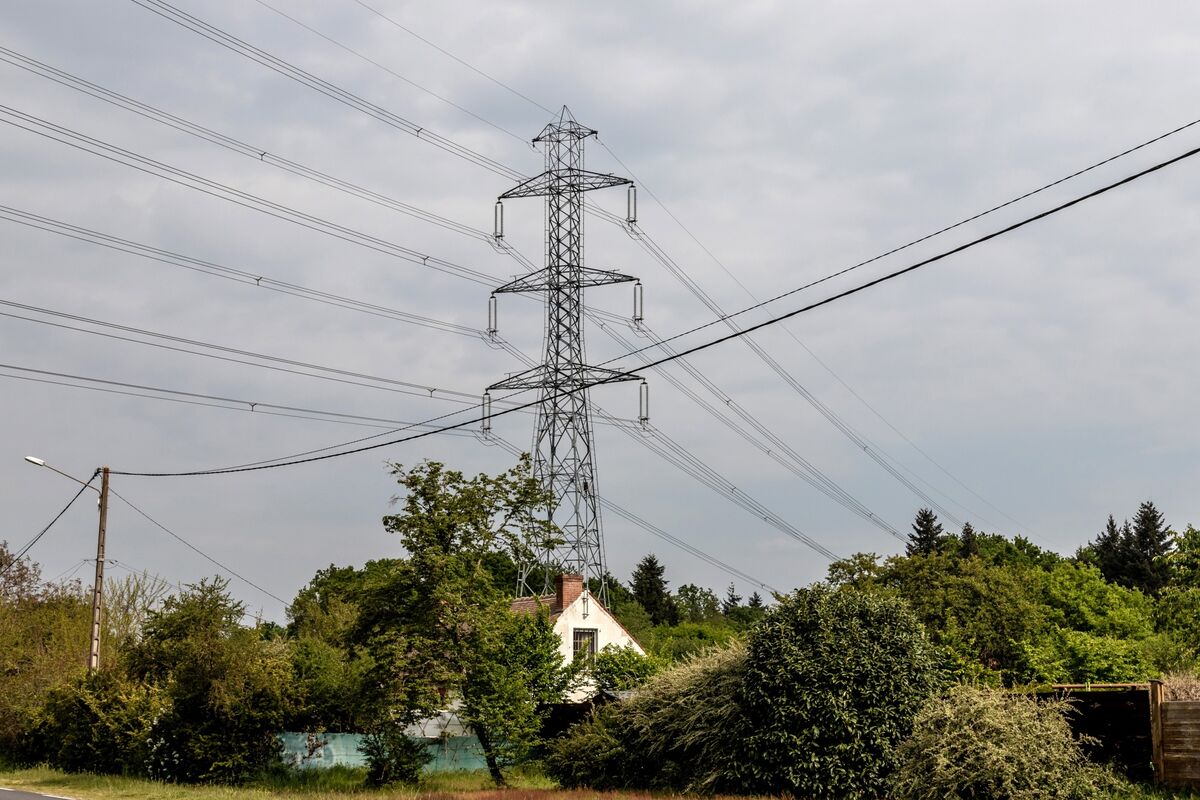
German Spot Market Volatility: Evening Spikes and Wind Deficit
German day-ahead prices exhibited significant volatility in mid-September 2026. On September 10, evening prices reached up to 58.51 cents/kWh (approx. €585/MWh) due to a "Dunkelflaute" (dark doldrums) scenario where wind generation was insufficient to meet demand. Conversely, other days saw prices fall to June lows when wind surged, demonstrating the extreme sensitivity of the German market to weather conditions and the resulting pressure on dynamic tariffs.

Polish Wholesale Prices at Three-Year Highs
Polish wholesale electricity prices on the TGE (Polish Power Exchange) hit their highest levels in three years, exceeding 500 PLN/MWh for next-year delivery contracts. This increase, driven by high gas and coal costs, is expected to lead to household electricity bill increases of up to 800 PLN annually. The situation reflects broader European trends where high carbon and fuel costs are passing through to end consumers.
Local view
Germany: pv magazine Deutschland published an analysis on September 16 explaining the structural drivers behind recent price spikes. The article notes that while photovoltaic feed-in suppresses daytime prices, evening hours increasingly see scarcity prices of several hundred euros per MWh due to the interplay of gas market dynamics, weather patterns, and storage limitations.
France: Selectra.info highlighted that on Monday, September 14, average wholesale prices reached €216/MWh, with a distinct daily profile featuring a trough at 13:00 and a peak at 20:00. This pattern reinforces the need for consumers to shift consumption away from evening peaks.
Poland: Puls Biznesu reported on the EU carbon price surge, emphasizing the link between high gas prices and the resurgence of coal in the energy mix. The outlet noted that this dynamic is putting upward pressure on electricity costs across Central Europe.
Context & numbers
- EUA Price: Reached ~€87.75/t on September 14, the highest since January 2026.
- French DA Peak: Approached €300/MWh on the evening of September 15.
- German DA Peak: Hit ~€585/MWh (58.51 cents/kWh) during evening hours on September 10.
- Polish Base Load: Forward prices exceeded 500 PLN/MWh, the highest since 2023.
On the radar
- Winter Outlook: German media are warning that current September price spikes are a "bitter preview" of the coming winter months, suggesting continued volatility if gas storage levels or wind patterns remain unfavorable.
- French Tariff Regulation: Discussions are ongoing regarding how current market highs will impact the regulated tariff (TRVE) for 2027, which uses a two-year smoothed average.
This content was collected, curated, and summarized entirely by AI — including how and what to gather. It may contain inaccuracies. Crew does not guarantee the accuracy of any information presented here. Always verify facts on your own before acting on them. Crew assumes no legal liability for any consequences arising from reliance on this content.
Powered by
