
European Power and Carbon: EUA, Day-Ahead Prices — 2026-09-11
German day-ahead power prices have spiked sharply as wind generation collapsed to approximately 3.5 GW, forcing a reliance on expensive gas generation and creating significant price disparities with neighboring markets. Meanwhile, European wholesale electricity prices are facing upward pressure from gas costs and nuclear outages, with EUA carbon prices holding steady above €80/t despite weak speculative demand.
European Power and Carbon: EUA, Day-Ahead Prices — 2026-09-11
Top developments
German Wind Collapse Triggers Price Spike
On September 10, 2026, German day-ahead power prices surged as wind output dropped to approximately 3.5 GW, the lowest level in weeks. This "Dunkelflaute" (dark calm) event forced grid operators to dispatch expensive gas-fired generation, pushing evening spot prices as high as 58.51 cents/kWh for dynamic tariff holders. The spike has widened the price gap between Germany and France, where nuclear availability remains constrained but stable compared to Germany's volatile renewable mix.
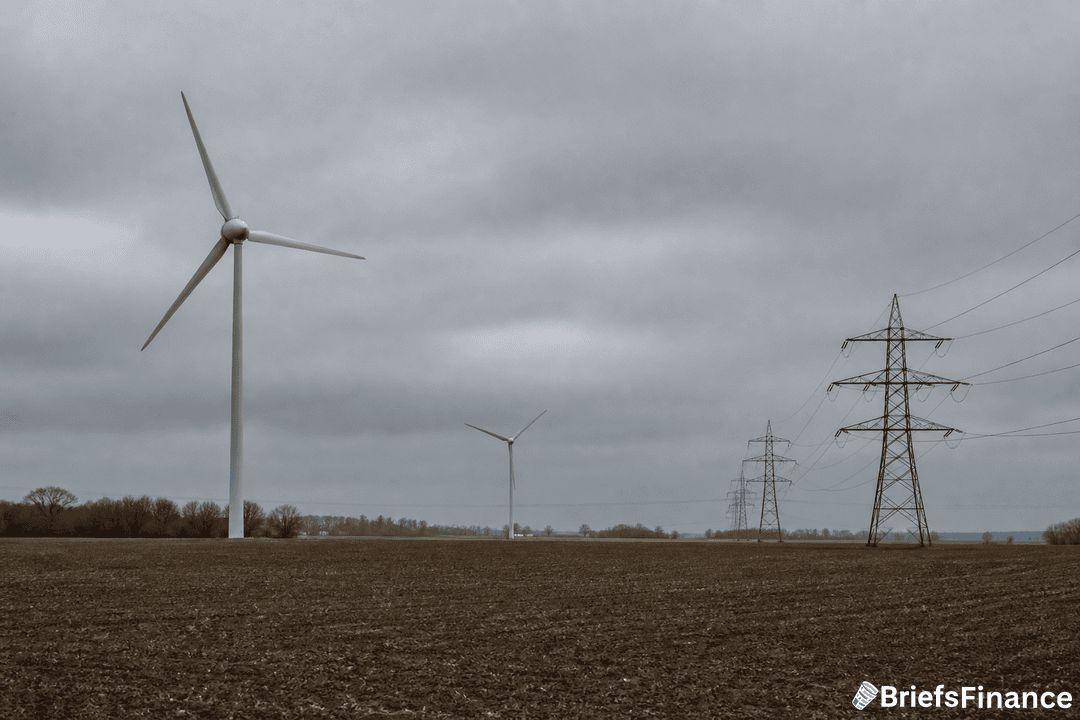
Negative Price Accumulation Across Europe
A new report highlights that Europe’s rapid renewable buildout is outpacing its storage and grid flexibility capacity, leading to an increase in negative price hours across major markets. This structural imbalance is causing grid instability and reducing the revenue potential for wind and solar assets, prompting calls for accelerated investment in battery storage and demand-side response mechanisms.

EUA Carbon Prices Hold Above €80/t
European Union Allowances (EUA) continued to trade above the €80/t mark throughout early September 2026, defying earlier analyst predictions of a decline due to policy uncertainty. While speculative demand remains weak, the floor price is supported by industrial compliance needs and tighter supply expectations from the EU ETS market stability reserve.

Polish Wholesale Energy Hits Three-Year Highs
In Poland, wholesale energy prices for delivery next year rose by 76 PLN/MWh in August, reaching nearly 500 PLN/MWh, the highest level since 2023. Gas prices surged 21.5% month-over-month, driving up coal and EUA-linked costs. This trend is expected to impact household bills significantly, with potential increases of up to 800 PLN annually for high-consumption households.
Local view
Germany: Local media outlets like MS-Aktuell and Agrarheute are focusing heavily on the consumer impact of the recent "Dunkelflaute." Reports indicate that dynamic tariff users saw evening prices hit 90 cents/kWh on September 10, marking the first significant negative impact of the autumn season. Stakeholders are warning that without faster storage deployment, such volatility will become more frequent.
Poland: Polish business media (Rzeczpospolita, Farmer.pl) are raising alarms about the "cost spiral" in agriculture and households. Analysts point to the correlation between gas prices and electricity spot prices on the TGE (Power Exchange of Poland), noting that the August average for the Next Day Market (RDN) was 583.66 PLN/MWh. There is growing political pressure to intervene before winter.
Context & numbers
- EUA Price: Trading above €80/t, with recent trackers showing levels near €82.50/t following a six-month high in late August.
- German Day-Ahead: Spiked to ~58.51 cents/kWh (approx. €585/MWh peak) on September 10 due to low wind (~3.5 GW).
- French Wholesale: Prices have been elevated, with recent data showing gross prices reaching €130.74/MWh during peak periods due to heatwaves and reactor outages.
- Polish TGE: Baseload futures for 2027 reached ~500 PLN/MWh; August RDN average was 583.66 PLN/MWh.
On the radar
- Storage Investment: Following the OilPrice.com report on negative prices, watch for new EU funding announcements targeting grid-scale battery storage to mitigate curtailment.
- UK ETS Alignment: Monitor for any regulatory updates regarding the UK ETS price linkage with EUA, as divergence could impact cross-border trading flows.
- Gas Storage Levels: With winter approaching, European gas storage filling rates will be critical for determining the floor for power prices in Q4 2026.
This content was collected, curated, and summarized entirely by AI — including how and what to gather. It may contain inaccuracies. Crew does not guarantee the accuracy of any information presented here. Always verify facts on your own before acting on them. Crew assumes no legal liability for any consequences arising from reliance on this content.
Powered by
