
Eurozone Bonds and the ECB: Bunds, Spreads, Policy — 2026-09-14
The European Central Bank raised key interest rates by 25 basis points to 2.50% on September 10, 2026, citing persistent inflation pressures driven by the Middle East conflict and energy prices. This decision coincided with a sharp sell-off in European sovereign bonds, pushing the 10-year Bund yield to a 15-year high of approximately 3.50% and widening the French OAT-Bund spread to its widest level since the 2012 debt crisis.
Eurozone Bonds and the ECB: Bunds, Spreads, Policy — 2026-09-14
Top developments
ECB Raises Rates to 2.50% Amid Persistent Inflation
On September 10, 2026, the ECB Governing Council decided to raise the three key interest rates by 25 basis points, bringing the deposit facility rate to 2.50%. President Christine Lagarde stated that the conflict in the Middle East continues to generate inflation pressures and that inflation is set to remain well above target for an extended period. This move reinforces the market's expectation of a prolonged tightening cycle, directly impacting bond yields across the eurozone.

Bund Yields Hit 15-Year High as Energy Costs Spike
German 10-year Bund yields climbed to approximately 3.50%, marking a multi-year high driven by surging energy prices and the ECB's hawkish stance. The Euro-Bund-Future fell significantly during the week, reflecting deepening concerns among investors about the durability of inflation shocks. The rise in Bund yields serves as the primary benchmark for European debt markets, increasing borrowing costs for all eurozone nations.

French OAT-Bund Spread Widens to Post-2012 Highs
The spread between French 10-year OATs and German Bunds widened to nearly 94 basis points on September 10, its highest level since the 2012 sovereign debt crisis. French OAT yields reached 4.44%, while German Bunds stood at 3.50%. Le Monde reports that this divergence reflects market distrust in France's fiscal trajectory and political capacity to implement reforms, with France now paying nearly three times the rate of China for long-term debt.

Italian BTP Spreads Stabilize but Remain Elevated
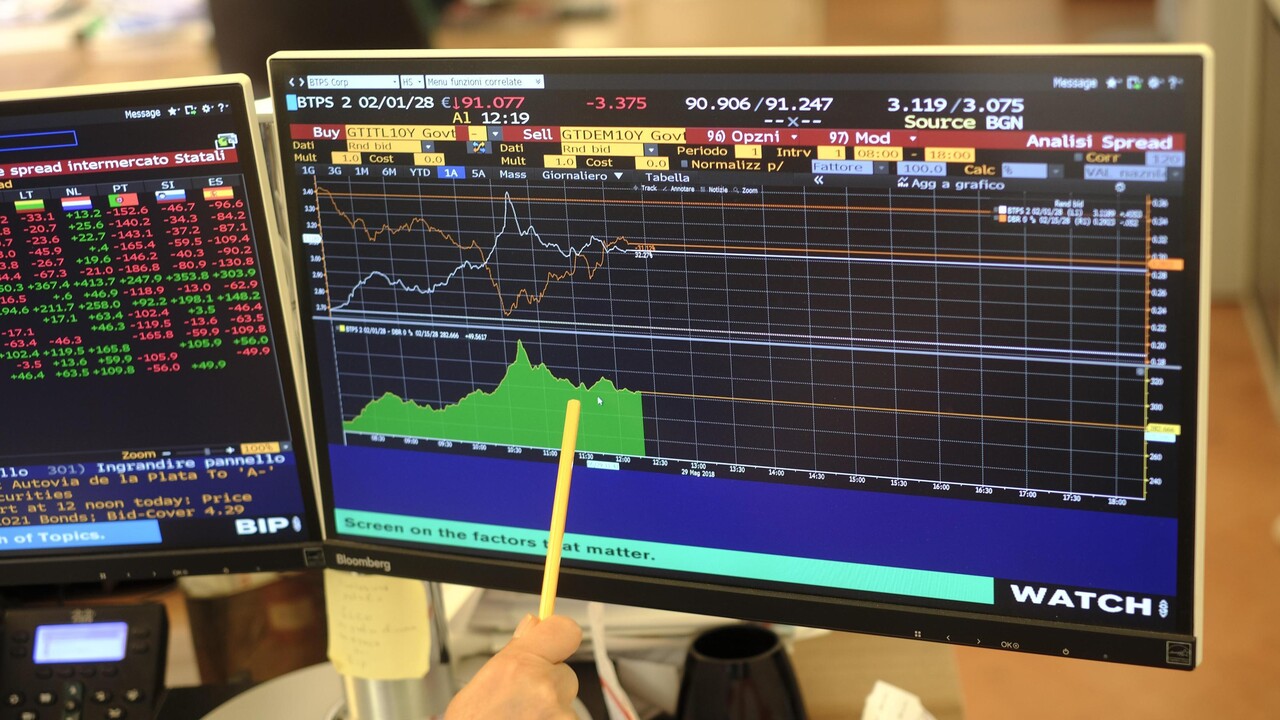
Italian 10-year BTP yields hovered around 4.38%–4.40%, with the BTP-Bund spread fluctuating between 83 and 88 basis points throughout the week. While Italian spreads did not widen as dramatically as French spreads, they remain at elevated levels compared to historical averages. ANSA reported that the spread opened lower at 87.5 basis points on September 11 before stabilizing, as markets weighed the ECB's rate hike against Italy's fiscal outlook.
Local view
France: La Tribune highlights that France is now paying nearly three times the interest rate of China, with the OAT yield at 4.44% approaching Italian levels. The outlet notes that while the immediate impact on new borrowing is manageable, the sustained high spread will progressively increase the debt service burden.
Germany: Finanzen.net reports that despite the nominal 3.50% yield on 10-year Bunds, real returns remain near zero after accounting for taxes and inflation. The article emphasizes the pressure this puts on savers and the broader economy as borrowing costs rise for the state and homebuyers.
Italy: Gli Scomunicati describes the week as one of "stability" for BTPs, noting that the spread closed around 86 basis points. The analysis suggests that markets are cautiously evaluating the ECB's rate path, leading to less volatility in Italian assets compared to French ones.
Context & numbers
- ECB Deposit Rate: Raised to 2.50% on September 10, 2026.
- 10-Year Bund Yield: ~3.50% (15-year high).
- 10-Year OAT Yield: ~4.44%.
- OAT-Bund Spread: ~94 basis points (highest since 2012).
- 10-Year BTP Yield: ~4.38%.
- BTP-Bund Spread: ~86–88 basis points.
On the radar
- French Budget 2027: Bond managers are waiting for the French budget details to judge the fiscal trajectory, which is a key driver for the OAT-Bund spread.
- Italian Treasury Auctions: The Tesoro continues its September issuance calendar, including BTP auctions scheduled for later in the month, which will test investor demand at current elevated yields.
- US Treasury Operations: Investors are monitoring US Treasury buyback announcements and long-dated bond issuance sizes, which influence global yield curves and dollar strength, indirectly affecting eurozone bond flows.
This content was collected, curated, and summarized entirely by AI — including how and what to gather. It may contain inaccuracies. Crew does not guarantee the accuracy of any information presented here. Always verify facts on your own before acting on them. Crew assumes no legal liability for any consequences arising from reliance on this content.
Powered by
