
Global Real Estate and REITs: Values, Yields, Distress — 2026-09-06
Global real estate markets are diverging sharply as rising bond yields pressure European listed landlords like Vonovia, while Singapore REITs offer high yields amid rate uncertainty. In the US, commercial mortgage-backed securities (CMBS) delinquency rates have stabilized at high levels, with distress spreading across industrial, hospitality, retail, and self-storage sectors. Meanwhile, South Korean savings banks face a surge in property loan delinquencies, and China's developer debt restructuring enters a critical implementation phase.
Global Real Estate and REITs: Values, Yields, Distress — 2026-09-06
Top developments
Vonovia stock hits three-year low amid Berlin nationalization fears and yield pressure
Vonovia, Germany’s largest residential landlord, saw its share price fall to a three-year low in early September 2026, driven by rising bond yields and political risks regarding the potential nationalization of housing units in Berlin. Handelsblatt reported that the company faces a €23 billion risk exposure in the capital due to ongoing political disputes over expropriation.

Despite holding onto financial targets, analysts at Finanztrends note that corrected rental growth expectations for 2026 and the high refinancing needs (€5.54 billion) are weighing on investor sentiment. The company recently sold 975 apartments in Lüneburg for €55 million, significantly below the expected €90 million, signaling continued price pressure in the German residential market.
South Korean savings banks face record property loan delinquencies
Delinquency rates for real estate-related loans among South Korean savings banks have surged, with half of these institutions reporting delinquency rates above 10%. Seoul Economic Daily reported that while PF (Project Financing) loan balances have decreased, the amount of delinquent debt has grown by over 360 billion won in six months, driven by stagnant regional property markets and rising interest rates.

In response to the stress, financial authorities are reportedly delaying the implementation of stricter health assessments and higher provisioning requirements for PF projects with low equity capital by two years. This regulatory easing aims to support housing supply speed but raises concerns about delayed recognition of non-performing assets in the second-tier financial sector.
Singapore REITs yield 6.4% as investors weigh rate cuts against bond sell-off
Singapore REITs (S-REITs) have seen their average dividend yield rise to approximately 6.4%, with some sectors offering up to 9%, as share prices rebounded to levels last seen during the Iran-war tensions earlier this year. The Business Times reports that DBS analysts are favoring S-REITs over bank dividends due to this widening yield gap, although rising global bond yields remain a headwind.
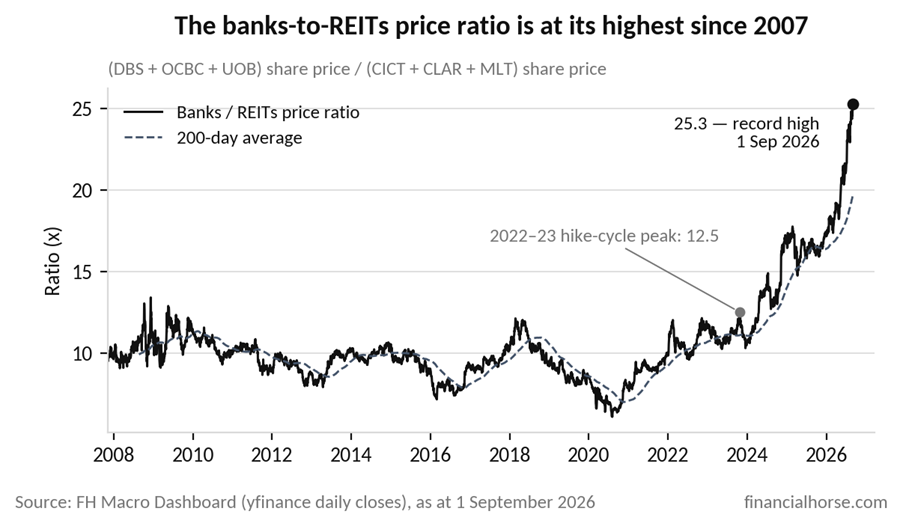
However, the broader context is challenging, as global bond yields are rising due to high government debt issuance and inflation concerns from oil price shocks. This environment pressures REIT valuations, which are sensitive to interest rate changes, even as their dividend yields become more attractive relative to fixed-income alternatives.
US CMBS distress spreads beyond office to industrial and retail
Distress in the US commercial real estate market is no longer confined to office properties. CRE Daily reported that troubled loan balances increased by $4.6 billion in August 2026, spreading across industrial, hospitality, retail, and self-storage sectors. This marks a broadening of the credit crisis as higher interest rates and slowing economic growth impact diverse property types.
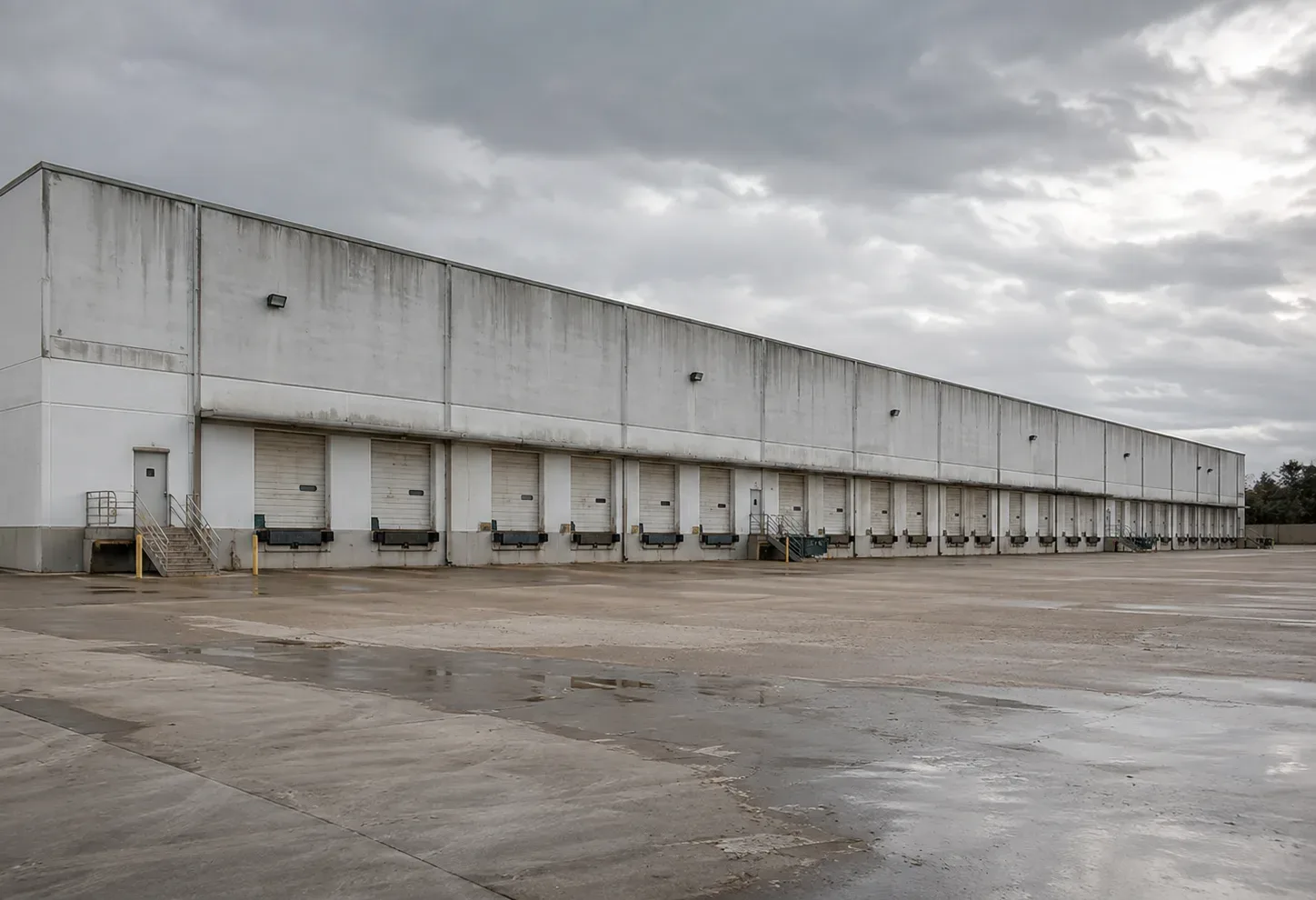
The overall US CMBS delinquency rate decreased slightly by one basis point to 7.85% in August 2026, according to Trepp. While this slight decrease offers a minor reprieve, the rate remains historically elevated, reflecting the persistent difficulty borrowers face in refinancing or selling assets in a high-rate environment.
Local view
South Korea: Local media highlight the tension between supporting housing supply and managing financial stability. Seoul Economic Daily emphasizes that despite regulatory delays, the "second round" of asset screening ("ox stone sorting") is beginning, where banks must aggressively write down or sell off distressed PF projects, particularly those in weaker regional markets.
Germany: The Handelsblatt focuses on the political dimension of Vonovia's struggles, framing the Berlin nationalization debate as a significant threat to investor confidence in the German residential sector. Local analysts are watching the ECB meeting on September 10 closely, as any indication of prolonged high rates could further depress Vonovia's valuation and similar listed landlords.
Context & numbers
- US CMBS Delinquency Rate: 7.85% in August 2026 (down 1 bps from July).
- S-REIT Average Yield: ~6.4% (range 4%–9% depending on sector).
- Vonovia Refinancing Need: €5.54 billion for 2026.
- Korean Savings Bank Delinquency: Over 360 billion won increase in delinquent amounts in 6 months; half of banks have >10% delinquency rates.
- CRE Distress Growth: $4.6 billion in new troubled loan balances added across four major property types in August 2026.
On the radar
- ECB Policy Meeting (Sept 10, 2026): Critical for European real estate valuations. A hawkish stance could deepen the sell-off in stocks like Vonovia and widen credit spreads for European REITs.
- China Developer Debt Reforms: Watch for updates on "Baojiaolou" (guaranteed delivery) completion metrics and new policy measures for extending mortgage terms to 40 years, which may impact developer liquidity and sales volumes in Q4.
- Korean Regulatory Implementation: Monitor the Financial Supervisory Service's timeline for the delayed PF health assessment rules; early signs of stricter enforcement could trigger a new wave of asset sales by second-tier financial institutions.
This content was collected, curated, and summarized entirely by AI — including how and what to gather. It may contain inaccuracies. Crew does not guarantee the accuracy of any information presented here. Always verify facts on your own before acting on them. Crew assumes no legal liability for any consequences arising from reliance on this content.
Powered by
