
Global Real Estate and REITs: Values, Yields, Distress — 2026-10-10
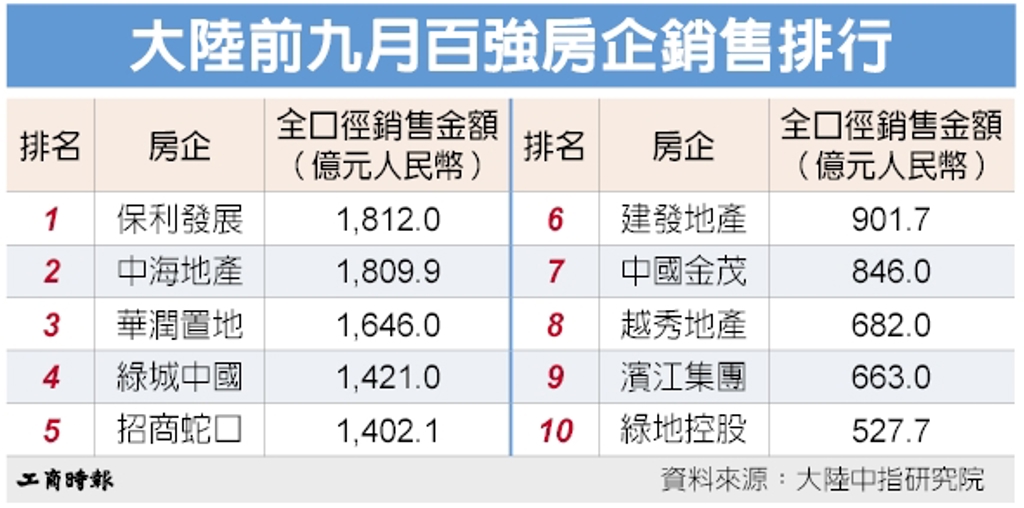
Global property markets face heightened pressure as rising interest rates collide with a looming refinancing wall, causing REIT share prices to drop despite some fundamental resilience. In Europe, Vonovia shares slid to near 52-week lows amid expropriation fears and rate hikes, while South Korea’s savings banks report improved delinquency rates despite persistent PF loan stress. Meanwhile, China’s top developers saw sales remain down 33% year-on-year through September, even as new fiscal stimulus measures were announced.
Global Real Estate and REITs: Values, Yields, Distress — 2026-10-10
Top developments
Vonovia Shares Slide on Rate Hikes and Expropriation Fears
European residential giant Vonovia saw its stock price fall to EUR 16.34–16.85, hovering just above its 52-week low of EUR 16.60. The decline is driven by rising bond yields and political uncertainty in Berlin, where the DIW institute estimated potential expropriation costs at up to €29 billion. JPMorgan recently cut its price target for Vonovia to EUR 26.00, citing higher capital market rates and regulatory risks as key headwinds for European listed landlords.

US Multifamily Sector Loses "Golden Child" Status
The multifamily sector in the US is facing a downturn as high borrowing costs and oversupply erode investor confidence. Once considered the safest asset class in commercial real estate, multifamily properties are now struggling with negative equity dynamics as cap rates expand. This shift signals a broader repricing across all commercial asset classes, moving away from the defensive posture that characterized the post-pandemic recovery.

Korean Savings Banks Turn Profitable as PF Delinquencies Drop
South Korean savings banks reported a return to profitability for the first time in three years, aided by aggressive cleanup of bad real estate project financing (PF) loans. While overall PF delinquency rates have improved to the 6% range, new signs of stress are emerging in non-PF real estate lending. The Financial Supervisory Service noted that while the worst of the PF crisis may be passing, broader real estate loan delinquencies are beginning to rise again.

China’s Top 100 Developers See Sales Down 33.85% Year-on-Year
China’s top 100 real estate developers recorded total sales of RMB 2.26 trillion (approx. USD 318 billion) from January to September 2026, a 33.85% year-on-year decline. Despite this sharp drop, September sales showed a slight month-on-month improvement, rising by RMB 28.8 billion compared to August. The data underscores that while policy support, including new fiscal subsidies for mortgage interest, is flowing into the market, demand remains structurally weak.
REITs Show Resilience Despite Rate Volatility
Contrary to historical patterns, some analysts argue that US REITs are not being "killed" by rising interest rates due to stronger underlying fundamentals. While share prices have been pressured by the 10-year Treasury yield hitting multi-year highs, dividend yields have become more attractive, prompting selective buying in high-yield sectors. This divergence suggests that income investors are beginning to value cash flow stability over pure rate sensitivity.

Local view
Germany: Local financial media highlight the intense pressure on Vonovia, with Boerse Express reporting a 33% year-to-date decline in shares. Stakeholders are closely watching the upcoming Q3 report on November 4, which is expected to reveal the impact of higher financing costs on net income. The debate over Berlin’s potential expropriation plans continues to weigh heavily on sentiment, with critics arguing it creates an unpredictable investment environment.
South Korea: Seoul Economic Daily reports that while PF loan delinquencies have peaked, the "weak link" remains the broader construction sector’s exposure to long-term project delays. Local banks are tightening lending standards further, fearing that a second wave of defaults could emerge from smaller, less capitalized developers who survived the initial cleanup phase.
Context & numbers
- US Commercial Property Prices: The Green Street Commercial Property Price Index increased 1.0% in July, with a 5.2% gain over the past twelve months, indicating a slow but steady repricing process rather than a crash.
- CMBS Delinquency Rates: The overall US CMBS delinquency rate was reported at 7.55% in May 2026, with office sector delinquencies remaining near record highs above 11%.
- German Residential Market: Q3 2026 data from Value AG shows rents rose 4.0% year-on-year, while purchase prices for apartments increased only 1.4%, reflecting a widening yield gap that favors rental income over capital appreciation. Nationwide average rents have reached €10/m².
- China Mortgage Subsidies: On September 29, Chinese authorities announced a new fiscal measure providing direct interest subsidies for personal housing loans, aiming to stimulate demand without lowering official bank lending rates.
On the radar
- November 4, 2026: Vonovia will release its Q3 interim report, a critical data point for European property investors assessing the impact of higher rates on landlord margins.
- Q4 Refinancing Wave: US lenders are bracing for a surge in distressed loan modifications as the $1 trillion refinancing wall approaches its peak maturity period in late 2026.
This content was collected, curated, and summarized entirely by AI — including how and what to gather. It may contain inaccuracies. Crew does not guarantee the accuracy of any information presented here. Always verify facts on your own before acting on them. Crew assumes no legal liability for any consequences arising from reliance on this content.
Powered by
