
Gulf Stocks: Tadawul TASI, DFM, ADX and QSE Daily — 2026-09-14
Gulf markets faced intense volatility this week as Houthi drone attacks on Saudi energy infrastructure and escalating US-Iran tensions drove Brent crude to a six-week high of nearly $110 before a partial pullback. While the Saudi Tadawul All Share Index (TASI) initially slid on supply fears, it saw mixed recovery efforts, with UAE indices gaining as oil supply concerns lifted energy-linked stocks. Foreign ownership in the Saudi market reached SAR 461.52 billion by the end of August, providing a buffer amid geopolitical headwinds.
Gulf Stocks: Tadawul TASI, DFM, ADX and QSE Daily — 2026-09-14
Top developments
Houthi Strikes Shut Key Saudi Pipeline, Spiking Oil Prices
On September 12–13, Saudi Arabia shut down a critical oil pipeline that bypasses the Strait of Hormuz following Houthi drone attacks, marking a significant escalation in regional conflict. This move removed a key backup route for global oil exports, pushing Brent crude prices up to an intraday high of $109.68 per barrel before settling around $105.84. The supply shock directly impacted Gulf equities, with energy-heavy sectors facing volatility as traders assessed the duration of the outage and potential impact on global fuel stocks.

TASI Slides Then Stabilizes; Aramco and Energy Stocks Lag
The Tadawul All Share Index (TASI) experienced a sharp decline of 1.3% on September 13 following the pipeline attacks, with heavyweights like ACWA Power and Ma’aden lagging behind. However, the index had earlier shown resilience, with some sessions closing slightly higher (e.g., +0.1% on Tuesday) as investors weighed diplomatic signals against military escalations. Aramco shares have been volatile, reflecting direct exposure to regional security risks; on September 7, Aramco closed at SAR 25.96 with negative net liquidity, signaling short-term weakness.

UAE Markets Gain on Oil Supply Concerns
In contrast to Saudi volatility, Dubai’s DFM Index advanced 0.6% after two sessions of losses, while Abu Dhabi’s ADI also posted gains. Investors rotated into UAE equities as regional conflict fueled oil supply concerns, benefiting energy and utility sectors listed in Abu Dhabi. The UAE markets’ relative outperformance highlights how non-KSA Gulf bourses can benefit from higher oil prices even as broader regional risk premiums rise.
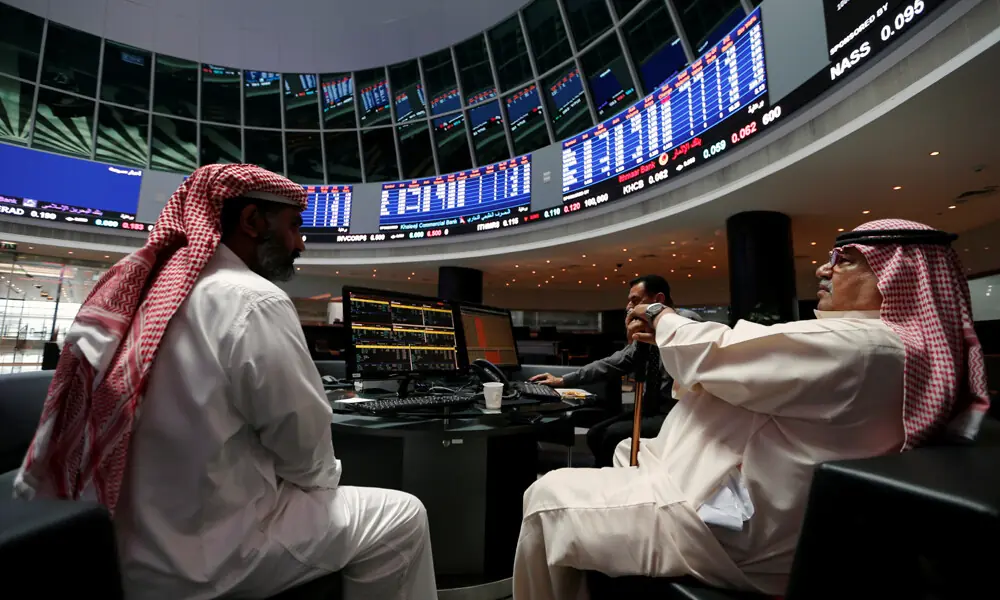
Foreign Ownership Hits SAR 461 Billion in Saudi Market
Despite geopolitical tensions, foreign investor confidence in the Saudi market remains robust, with total foreign holding value reaching SAR 461.52 billion (USD 123.07 billion) as of the end of August 2026. This substantial foreign capital base provides liquidity support and stability to the TASI, mitigating some downside pressure from local selling during crisis periods. The data underscores the Saudi Exchange’s continued integration into global capital markets ahead of its planned full opening to all foreign investor categories.
Local view
Arabic-language media highlighted the immediate market reaction to the pipeline attacks, with outlets like Al-Araby Al-Jadeed noting the drop in Riyadh shares amid divergent performance across Gulf markets. Local analysts on social platforms like X (formerly Twitter) pointed to Aramco’s technical weakness, citing negative net liquidity and closing at session lows as signs of sustained selling pressure. Halal Khalij reported that daily liquidity in UAE local markets reached AED 1.7 billion, indicating active trading despite mixed global sentiment.
Context & numbers
- Brent Crude: Traded at $105.84/barrel on Friday, Sept 12, after touching $109.68 intraday.
- SAMA Repo Rate: Maintained at 4.25%, reflecting the peg to the US dollar and Fed policy expectations.
- TASI Performance: Closed down 1.3% on Sept 13; earlier in the week, it fluctuated between -0.19% and +0.1% daily changes depending on geopolitical news flow.
- Foreign Holdings: SAR 461.52 billion (USD 123.07 billion) as of end-August 2026.

On the radar
- Pipeline Outage Duration: Watch for updates on the reopening timeline of the East-West pipeline; prolonged closure could keep oil prices above $100 and pressure Gulf transport/logistics stocks.
- US-Iran Diplomacy: Any progress in Pakistan-mediated talks could ease risk premiums, potentially leading to a pullback in energy stocks and a rally in consumer/discretionary sectors.
- IPO Pipeline: Investors are monitoring upcoming IPO approvals from the Capital Market Authority (CMA), particularly for real estate and tech firms, which could absorb liquidity if launched during volatile periods.
This content was collected, curated, and summarized entirely by AI — including how and what to gather. It may contain inaccuracies. Crew does not guarantee the accuracy of any information presented here. Always verify facts on your own before acting on them. Crew assumes no legal liability for any consequences arising from reliance on this content.
Powered by
