
Gulf Bonds and Islamic Finance: Sukuk, Pegs, Banks — 2026-09-17
GCC central banks uniformly raised interest rates by 25 basis points following the US Federal Reserve's decision, reinforcing the region's dollar pegs. Meanwhile, Saudi Arabia closed its September domestic sukuk issuance at $437 million as global bond yields surged to multi-year highs amid Middle East tensions. The UAE launched a new five-year retail T-Sukuk to broaden domestic investor participation.
Gulf Bonds and Islamic Finance: Sukuk, Pegs, Banks — 2026-09-17
Top developments
GCC Central Banks Raise Rates by 25 Basis Points
On September 16, central banks across the UAE, Qatar, Bahrain, Saudi Arabia, and Oman raised their key interest rates by 25 basis points, mirroring the US Federal Reserve’s decision to combat inflation. In Saudi Arabia, the central bank (SAMA) increased its repurchase agreement (repo) rate to 4.50% and the reverse repo rate by an equivalent margin. This synchronized move underscores the Gulf states' commitment to maintaining their currency pegs to the dollar amidst rising global borrowing costs

Saudi Arabia Closes September Domestic Sukuk at $437 Million
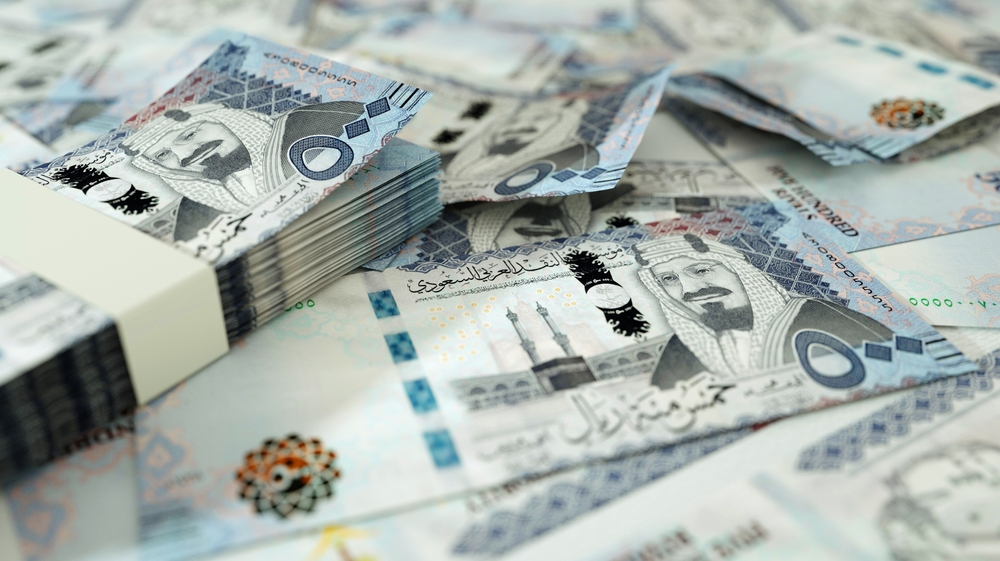
The National Debt Management Center (NDMC) announced the closure of its September domestic sukuk issuance, allocating a total of SAR 1.64 billion (approximately $437 million). This monthly local market operation continues the Kingdom’s strategy of funding budgetary needs through local instruments while navigating volatile international markets
UAE Launches Second Retail T-Sukuk Issuance
The UAE Ministry of Finance announced a second issuance under its Sovereign Retail T-Sukuk Programme, offering a five-year tenor with a minimum investment threshold of Dh1,000. Listed on Nasdaq Dubai, this Shariah-compliant instrument is fully backed by the government and aims to deepen domestic participation in sovereign debt markets among UAE nationals and residents
Global Bond Yields Surge to Multi-Year Highs
The yield on the benchmark 10-year US Treasury note briefly breached 5.011% on September 15, reaching levels not seen since October 2023. This surge, driven by inflation concerns and geopolitical tensions in the Middle East, has put upward pressure on borrowing costs for Gulf sovereigns and corporations linked to the dollar peg

Local view
Local media outlets such as Al Jazeera and Asharq Al-Awsat emphasized the coordinated nature of the rate hikes, noting that Gulf central banks acted swiftly to preserve monetary stability and prevent capital outflows. Al Khaleej reported that UAE markets were closely watching the Federal Reserve’s meeting outcomes, with analysts suggesting that the 25bps hike was largely anticipated but adds pressure on corporate lending costs in the short term
Context & numbers
- Saudi Repo Rate: Increased to 4.50% (up 25 bps)
- US 10-Year Treasury Yield: Briefly hit 5.011%, the highest level since October 2023
- Saudi Sept Domestic Sukuk: SAR 1.64 billion ($437 million) allocated
- UAE Retail Sukuk Min Investment: Dh1,000 for a 5-year tenor
On the radar
- Oil Price Volatility: Continued disruptions to Saudi infrastructure, including the East-West pipeline, are keeping oil prices above $100/barrel, which directly influences inflation expectations and thus central bank rate decisions
- Upcoming Sovereign Issuances: Investors are watching for potential international bond or sukuk tenders from GCC sovereigns as they seek to refinance maturing debts amidst higher global yields
This content was collected, curated, and summarized entirely by AI — including how and what to gather. It may contain inaccuracies. Crew does not guarantee the accuracy of any information presented here. Always verify facts on your own before acting on them. Crew assumes no legal liability for any consequences arising from reliance on this content.
Powered by
