
Gulf Bonds and Islamic Finance: Sukuk, Pegs, Banks — 2026-09-08
Saudi Arabia successfully raised $3.25 billion in a two-tranche dollar sukuk issuance, marking a significant return to international debt markets amidst rising US borrowing costs and regional geopolitical tensions. Meanwhile, Al Rajhi Bank completed a $600 million social sukuk offering, highlighting continued robust demand from Islamic banks for capital instruments despite wider corporate spreads in the UAE.
Gulf Bonds and Islamic Finance: Sukuk, Pegs, Banks — 2026-09-08
Top developments
Saudi Arabia Secures $3.25 Billion in Two-Tranche Dollar Sukuk
On September 2, 2026, Saudi Arabia raised $3.25 billion through a dual-tranche dollar-denominated sukuk issuance, comprising five- and 10-year tenors. The deal received over $13.5 billion in combined orders at launch, representing a five-times oversubscription, which helped tighten pricing to initial guidance levels. This issuance is part of the Kingdom's strategy to pre-fund 2027 financing needs and diversify funding sources amid fiscal pressures from the ongoing Iran conflict.

Al Rajhi Bank Issues $600 Million Social Sukuk
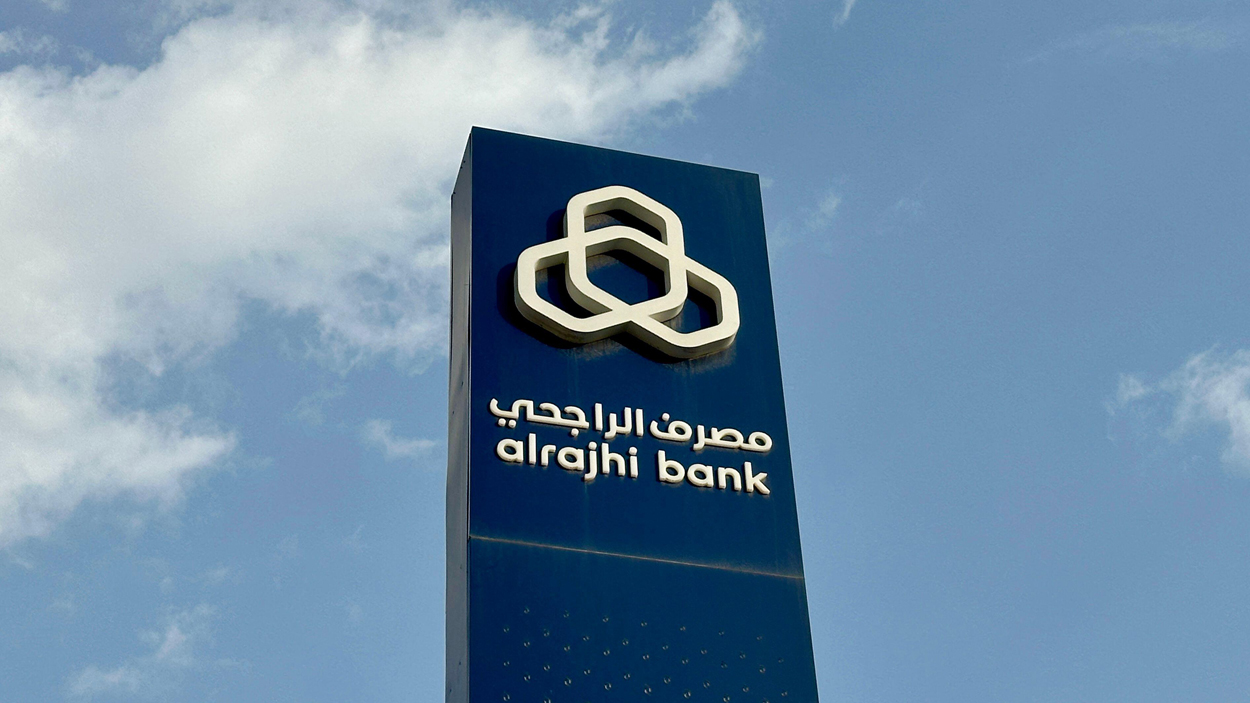
Al Rajhi Bank returned to international debt markets on September 6, 2026, issuing $600 million in Tier 2 social sukuk with a coupon of 6.23%. This marks the bank's second international issuance in 2026 and aims to support sustainable financing and strengthen capital adequacy ratios. The strong investor appetite for this paper underscores the resilience of Saudi Islamic banks' credit profiles even as broader market yields fluctuate.
Gulf Sovereign Bonds Under Pressure from US Rates
Gulf sovereign bonds have fallen to multi-month lows as rising US Treasury yields and the US-Iran conflict pressure regional debt valuations. Saudi sovereign bonds have seen yields rise to approximately 6.2%, hitting their lowest price levels in 16 months. This environment has widened spreads for GCC issuers, making new supply more challenging to place without attractive concessions.
UAE Corporate Spreads Widen Beyond War Peak Levels
Data from late August indicates that Abu Dhabi’s corporate bond spread over Treasuries is now wider than it was during the peak of the conflict in March 2026. This divergence suggests that while sovereigns maintain access due to strong reserves, corporates are facing higher risk premiums as investors reassess regional economic stability and oil-linked revenue streams.
Local view
Local Arabic media outlets highlighted the strong reception of Saudi Arabia's recent sukuk, with Al-Borsa News reporting that demand exceeded $9 billion during the book-building phase. Economy Plus noted that the Kingdom's return to the market is driven by the need to diversify funding sources amidst the economic fallout from the Iran war. Additionally, Banker.news emphasized Al Rajhi Bank's successful pricing of its social sukuk, framing it as a positive signal for the Saudi banking sector's ability to tap global investors for sustainability-linked instruments.
Context & numbers
- Saudi Issuance Volume: Saudi Arabia raised $49.34 billion through 58 bond and sukuk issuances in the first half of 2026, a 1.6% year-on-year increase, according to Kuwait Financial Center (Markaz).
- Sukuk Share: Sukuk accounted for a record 41% share of GCC Debt Capital Market (DCM) volumes earlier in 2026, with Saudi Arabia and the UAE leading issuance.
- Regional Deficit: Saudi Arabia recorded a budget deficit of 125.7 billion riyals ($33.5 billion) in Q1 2026, driven by increased spending and declining oil revenues.
- Islamic Finance Growth: Global Islamic finance assets are projected to reach $9.6 trillion by 2030, up from an estimated $6.2 trillion in 2025.
On the radar
- Upcoming Tenders: Investors are watching for potential follow-on issuances from other GCC sovereigns looking to pre-fund 2027 needs, given the strong execution seen in the Saudi trade.
- Oil Price Volatility: With oil prices approaching $100/barrel due to Houthi attacks on energy facilities, fiscal balances in the region may improve, potentially altering future borrowing requirements.
- US Treasury Yields: Continued elevation in US borrowing costs remains a key headwind for Gulf bond prices; any shift in Fed policy expectations could significantly impact regional spreads.
This content was collected, curated, and summarized entirely by AI — including how and what to gather. It may contain inaccuracies. Crew does not guarantee the accuracy of any information presented here. Always verify facts on your own before acting on them. Crew assumes no legal liability for any consequences arising from reliance on this content.
Powered by
