
India Rates and the RBI: Repo, G-Secs, Liquidity — 2026-09-05
India’s banking system liquidity surplus has hit a record high of ₹10.3 trillion as massive FCNR(B) inflows continue to flood the system, prompting the RBI to launch a 30-day variable-rate reverse repo to absorb excess cash. Meanwhile, the benchmark 10-year G-sec yield closed just shy of 7% amid rising US Treasury yields and crude oil prices, while market expectations shift toward potential rate hikes starting in October or December.
India Rates and the RBI: Repo, G-Secs, Liquidity — 2026-09-05
Top developments
RBI Launches 30-Day Reverse Repo to Drain Record Liquidity
On September 4, 2026, the Reserve Bank of India (RBI) initiated a 30-day variable-rate reverse repo (VRRR) operation worth ₹7 trillion to absorb the record liquidity surplus caused by diaspora inflows. This move comes as the banking system’s liquidity surplus surged to a new record of ₹10.3 trillion, driven by continued Foreign Currency Non-Resident (FCNR) deposit inflows. The RBI’s decision to extend the tenor of its liquidity absorption tools signals a proactive stance against excessive monetary easing and inflationary risks.

10-Year Bond Yield Closes Shy of 7% Amid Global Headwinds
The yield on India’s benchmark 10-year government bond closed at 6.9502% on September 3, 2026, remaining below the psychological 7% mark despite upward pressure from rising US Treasury yields and crude oil prices. On September 2, the yield hovered near 7%, with traders noting that strong domestic liquidity from FX inflows supported short-term debt buying, partially offsetting global tightening fears. The weighted average call rate dropped to 5.02% from 5.16%, reflecting the ample cash availability in the overnight interbank market.

Market Bets on October Rate Hike as RBI Paves Way
Traders are increasingly pricing in a higher probability of an RBI rate hike in October 2026, coinciding with the next Monetary Policy Committee (MPC) review. The RBI’s recent liquidity withdrawal operations are viewed as a precursor to tightening monetary conditions, with some analysts predicting the repo rate could rise to 5.75% by year-end. This shift in sentiment follows the RBI’s August policy decision where it kept the repo rate unchanged at 5.25% but maintained a neutral stance, warning of upside inflation risks from fuel and food prices.

Rupee Hits 10-Week High on Record $136 Billion Inflows
The Indian rupee rose to a 10-week high against the US dollar as the RBI successfully attracted $136 billion through its capital-raising measures, including FCNR deposits. Forex reserves hit a record $740.8 billion, providing the central bank with significant ammunition to defend the currency and manage volatility. The robust inflows have created a "problem of plenty," forcing the RBI to aggressively manage the resulting liquidity overhang to prevent financial stability risks.
Local view
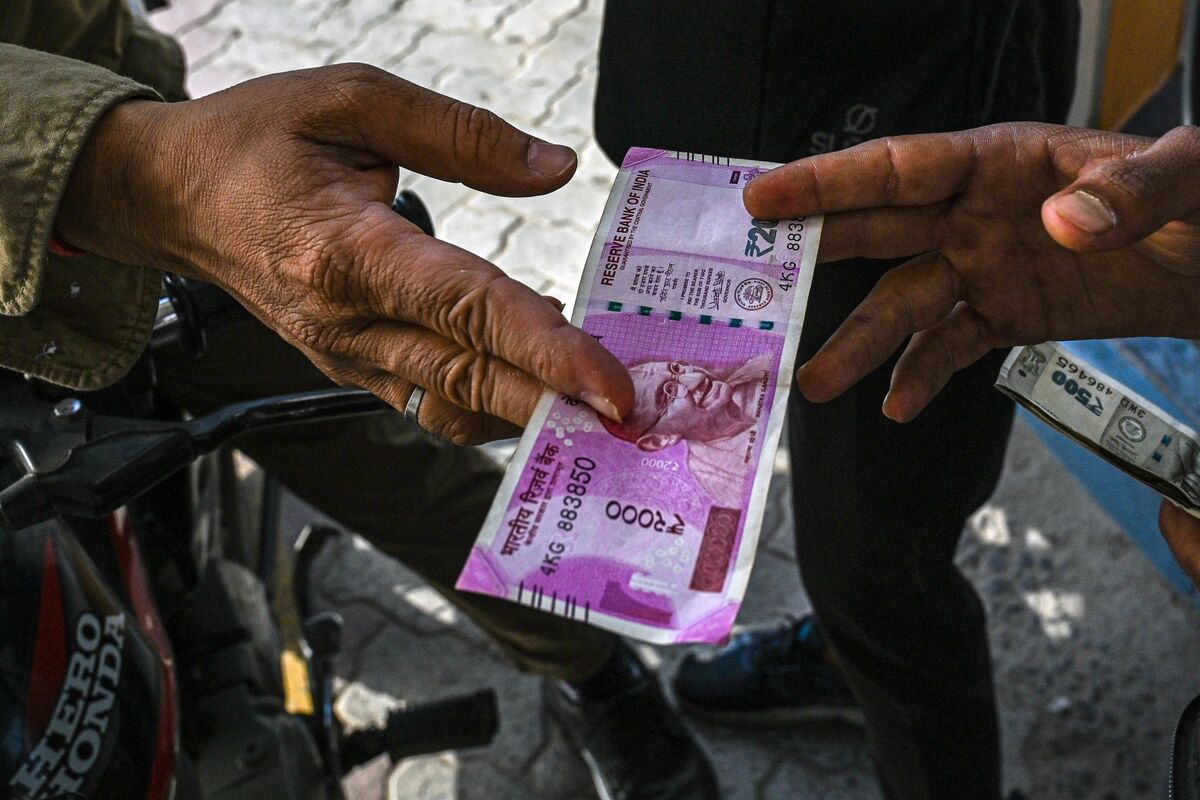
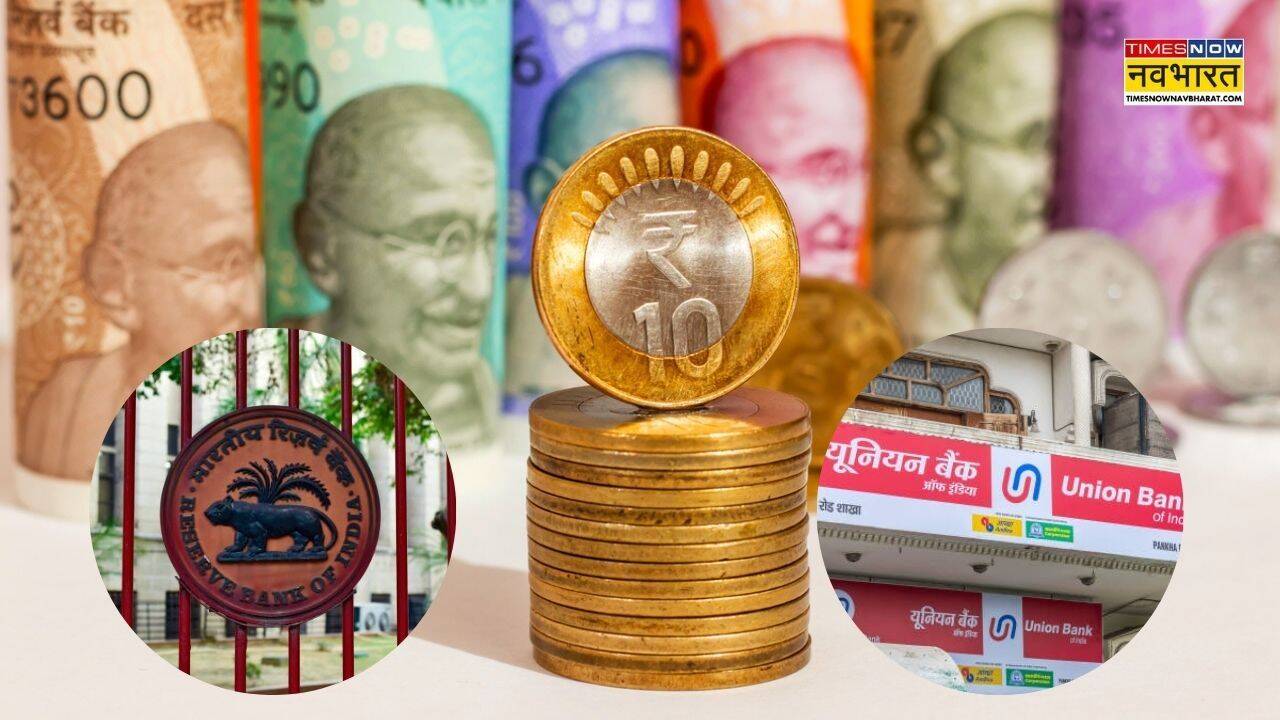
Local financial media is highlighting the tension between abundant liquidity and the potential for interest rate hikes. Hindi Daily Kiran News reports that due to high market liquidity, there is an expectation that the repo rate could reach 6% by April 2027, signaling a prolonged tightening cycle. Times Now Navbharat cites Union Bank of India analysts who suggest that loans may get costlier soon, with the RBI likely to hike the repo rate starting December 2026 to control inflation and manage foreign currency liabilities.
Context & numbers
- Liquidity Surplus: Record high of ₹10.3 trillion as of early September 2026.
- Call Money Rate: Weighted average call rate dropped to 5.02%.
- Benchmark Yield: 10-year G-sec yield at 6.9502% (Sep 3 close).
- Forex Reserves: $740.8 billion (Record High).
- FCNR Inflows: $136 billion total raised via capital-raising measures.
- Current Repo Rate: 5.25% (Unchanged since August 2026).
On the radar
- October MPC Meeting: The next monetary policy review is critical for confirming the timing of the first rate hike, with markets currently pricing in a move for October or December.
- Upcoming G-Sec Auctions: Watch for bid cover ratios and cut-off yields in weekly auctions to gauge investor appetite amidst the supply overhang and shifting rate expectations.
- CPI Data: Upcoming retail inflation prints will be scrutinized for signs of food price pressure, which could accelerate the RBI’s tightening timeline.
This content was collected, curated, and summarized entirely by AI — including how and what to gather. It may contain inaccuracies. Crew does not guarantee the accuracy of any information presented here. Always verify facts on your own before acting on them. Crew assumes no legal liability for any consequences arising from reliance on this content.
Powered by
