
India Rates and the RBI: Repo, G-Secs, Liquidity — 2026-09-08
The Reserve Bank of India (RBI) has intensified liquidity management efforts, shifting to longer-duration cash drains after banking system surpluses hit a record high of ₹10.73 trillion. This move comes as the central bank absorbs massive capital inflows from its foreign currency deposit schemes, which have bolstered reserves but created significant liquidity pressures. Meanwhile, 10-year G-sec yields remain boxed in a narrow range near 6.95% as traders weigh rising crude oil prices against the RBI’s tightening liquidity stance.
India Rates and the RBI: Repo, G-Secs, Liquidity — 2026-09-08
Top developments
RBI Shifts to Longer-Duration Cash Drains to Manage Record Surplus
On September 4, the RBI announced plans to conduct a 30-day Variable Rate Reverse Repo (VRRR) auction worth ₹7 trillion on September 7, marking a strategic shift from shorter-term operations to lock up excess banking cash for longer periods. This decision was driven by a surge in system liquidity to a historic ₹10.73 trillion last Friday, fueled by robust dollar inflows from overseas Indians. The move signals the central bank's intent to sterilize the liquidity deluge without altering the repo rate, effectively tightening money market conditions.

10-Year G-Sec Yields Boxed In Amid Oil and Liquidity Tensions
The benchmark 6.94% 2036 bond yield closed at 6.9625% on Friday, September 5, marking a third consecutive weekly increase and ending shy of the 7% psychological barrier. Traders expect yields to trade between 6.94% and 6.99% in the coming week as they assess the impact of the RBI’s new liquidity measures against rising global crude oil prices. The market remains cautious, with weak auction responses raising concerns that the RBI may need more aggressive sterilization tools if inflows continue.

Rupee Strengthens as RBI Attracts $136 Billion in Capital
The Indian rupee gained ground as the RBI successfully attracted $136 billion under its capital-raising measures, significantly exceeding expectations and boosting foreign exchange reserves. These inflows, largely driven by FCNR(B) swaps and NRI deposits, have provided the central bank with substantial "reserve ammo" to defend the currency while simultaneously creating the domestic liquidity surplus it is now managing. However, experts note that the cost of these inflows could reach $10.6 billion, posing a fiscal challenge.
Call Rate Drops as Liquidity Overflow Peaks
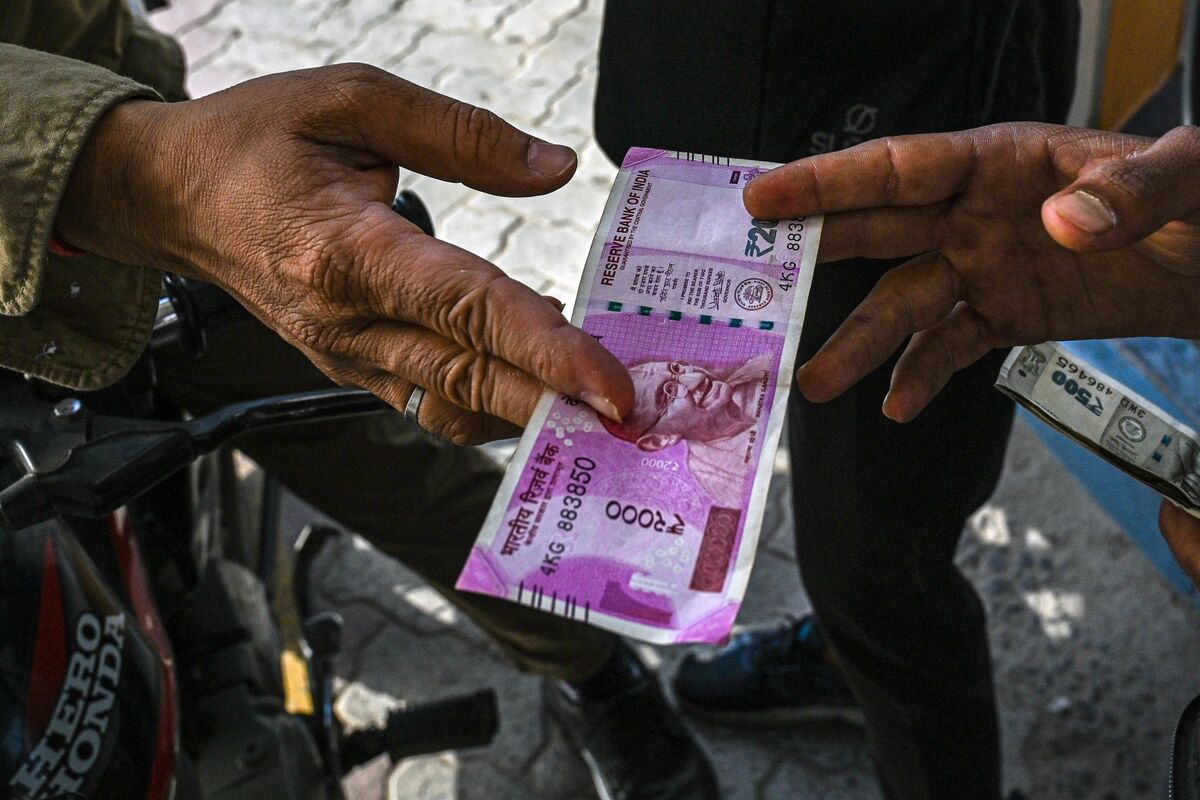
Despite the RBI's drain operations, the weighted average call rate dropped to 5.02% from 5.16% earlier in the week, reflecting the sheer volume of excess cash in the system. On Monday, bonds remained muted after a tepid response to the RBI's overnight cash-drain operation, highlighting the difficulty the central bank faces in absorbing the record ₹10.7 trillion surplus.
Local view
Hindi-language financial media is focusing heavily on the implications of the RBI's liquidity management for future interest rates. Hindi Daily Kiran reports that due to the excessive liquidity in markets, there is an expectation that the repo rate could rise to 6% by April 2027, as the RBI moves to normalize policy after the current easing cycle. Amar Ujala highlights a "major shift" in the interest rate and inflation outlook, noting that bond yield surges are being watched closely by local investors for signals on whether the RBI will pivot from its neutral stance. Additionally, ChiniMandi cites UBI analysis suggesting that rate hikes could begin in H2 FY27, potentially pushing the repo rate to 5.75-6% to control inflation amid strong growth.
Context & numbers
- Liquidity Surplus: Peaked at ₹10.73 trillion on Friday, September 5, a historic high driven by FX inflows.
- Benchmark Yield: The 6.94% 2036 G-sec yield closed at 6.9625% on Friday, up 5 basis points for the week.
- Call Money Rate: Dropped to 5.02% from 5.16%, indicating abundant short-term funds despite RBI drains.
- Capital Inflows: The RBI attracted $136 billion through various measures including FCNR deposits, significantly boosting reserves.
- Repo Rate: Remains unchanged at 5.25% as per the latest MPC stance, with a neutral outlook maintained.
On the radar
- September 7 VRRR Auction: Market participants are closely watching the results of the ₹7 trillion 30-day VRRR auction held on Sunday to gauge bank appetite for locking up funds and the effective rate accepted by the RBI.
- Oil Price Volatility: Rising crude prices are acting as a headwind for bond yields, keeping them elevated despite the RBI's liquidity absorption efforts.
- US CPI Data: Upcoming US inflation prints will influence global yield curves and FPI flows into Indian debt, potentially impacting the rupee and G-sec demand.
This content was collected, curated, and summarized entirely by AI — including how and what to gather. It may contain inaccuracies. Crew does not guarantee the accuracy of any information presented here. Always verify facts on your own before acting on them. Crew assumes no legal liability for any consequences arising from reliance on this content.
Powered by
