
India Rates and the RBI: Repo, G-Secs, Liquidity — 2026-09-13
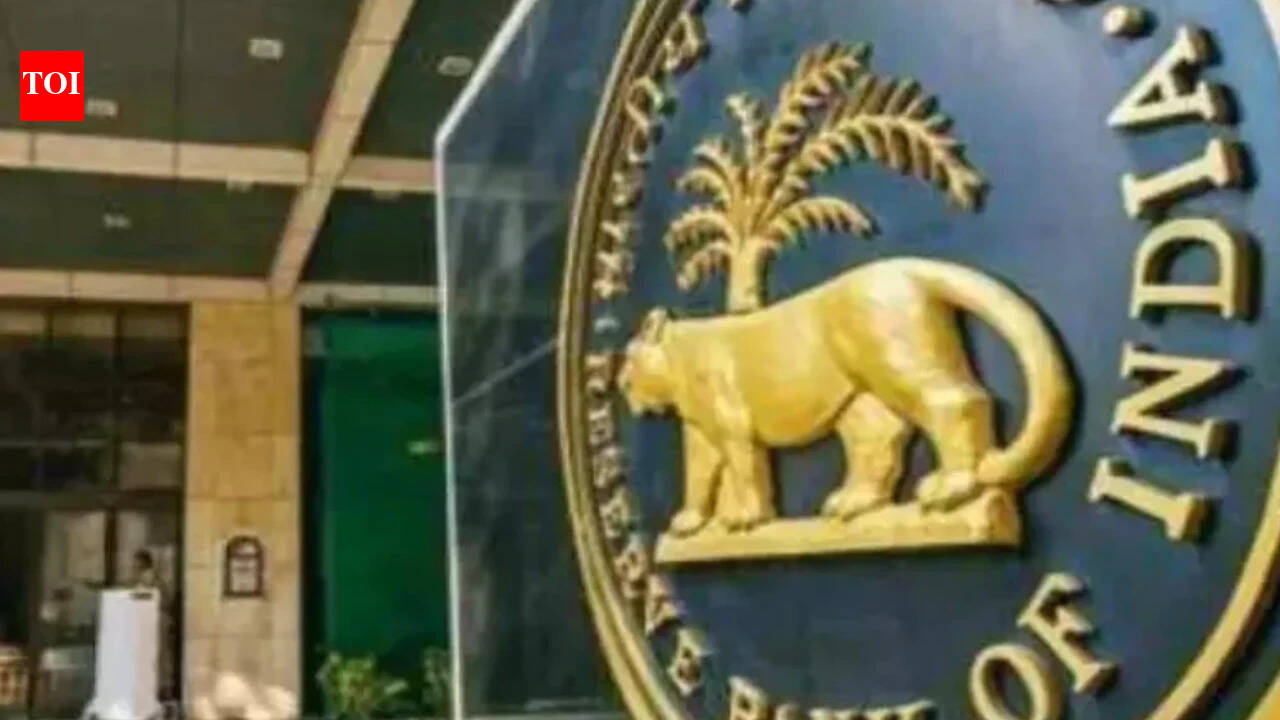
The Reserve Bank of India (RBI) has announced a massive ₹1 trillion ($10.5 billion) open market operation to drain excess liquidity from the banking system, signaling a shift toward tighter monetary conditions. This move comes as the 10-year G-sec yield breached the 7% mark due to oil price volatility and global yield pressures, while SBI Research forecasts potential repo rate hikes in October and December.
India Rates and the RBI: Repo, G-Secs, Liquidity — 2026-09-13
Top developments
RBI Launches Massive ₹1 Trillion Liquidity Drain
The RBI is set to sell government bonds worth ₹1 trillion across September 17, 21, and 28 to absorb surplus cash from lenders. This operation aims to counter inflationary risks arising from a massive build-up of liquidity in the banking system, which has been swelled by recent foreign exchange inflows. The move represents the central bank's strongest effort yet to tighten money supply conditions

10-Year G-Sec Yield Breaches 7%
Indian government bonds faced significant selling pressure this week, with the 10-year benchmark yield rising above 7%. The increase was driven by a four-week streak of losses in crude oil prices, which impacted global debt markets, alongside uncertainty regarding the RBI's aggressive liquidity management stance. The yield spike reflects market anxiety over imported inflation and the potential for tighter policy

RBI Rejects Short-Term Bids Amid Liquidity Concerns
In a signal of its tightening stance, the RBI rejected some bids at a recent sale of shorter-duration papers. This selective acceptance has lifted five-year yields as traders anticipate further steps by the authority to remove excess banking cash. The rejection highlights the central bank's focus on managing the yield curve while draining liquidity

Forex Reserves Hit Record Highs Due to Diaspora Inflows
India’s foreign exchange reserves surged by $44.9 billion to a record $785.7 billion in the week ended September 4. This jump was primarily driven by $136.4 billion raised by banks from non-residents and foreign lenders under special deposit schemes, which were then swapped with the RBI. While this strengthens the RBI's ability to defend the rupee, it has created a massive liquidity surplus that necessitates the current drain operations
Local view
SBI Research, in its latest "EcoWrap" report, has urged the RBI to raise the repo rate by 25 basis points in October and another 25 basis points in December to combat external shocks and high crude oil prices. The report warns that inflation could rise above 6.5% if oil prices remain elevated, suggesting that borrowing costs for consumers will likely increase. Local media outlets like Hindi Daily Kiran and Amrit Vichar have highlighted these forecasts, noting that the current repo rate of 5.25% may be insufficient to contain inflationary pressures

Context & numbers
- Repo Rate: Currently unchanged at 5.25% since the August MPC meeting, with markets pricing in hikes for Q4 2026
- Liquidity Drain: ₹1 trillion ($10.5 billion) via OMOs scheduled for Sept 17, 21, and 28
- Forex Reserves: $785.7 billion (Record High), up $44.9 billion week-on-week
- 10-Year Yield: Crossed 7% amid global bond sell-offs and local liquidity tightening fears
On the radar
- Upcoming OMOs: Watch for the specific cut-off yields and bid-to-cover ratios in the RBI's bond sales on September 17, 21, and 28. These auctions will be critical indicators of the market's appetite for government debt under tight liquidity conditions
- August CPI Data Reactions: Analysts are closely monitoring how the latest inflation prints influence expectations for the October MPC meeting. SBI Research suggests that if CPI remains sticky above 6%, rate hikes become more probable
This content was collected, curated, and summarized entirely by AI — including how and what to gather. It may contain inaccuracies. Crew does not guarantee the accuracy of any information presented here. Always verify facts on your own before acting on them. Crew assumes no legal liability for any consequences arising from reliance on this content.
Powered by
