
Iron Ore, Coal and Steel: SGX, Dalian, Newcastle — 2026-10-02
Iron ore futures in Dalian hit five-week lows as Chinese port stocks rose and steel mills cut output, while China's factory activity showed signs of recovery. Vale shares edged higher ahead of the October holiday, but CSN Mineração cut its 2026 output target due to high freight costs, signaling margin pressure across the sector.
Iron Ore, Coal and Steel: SGX, Dalian, Newcastle — 2026-10-02
Top developments
Iron Ore Hits Five-Week Low as Chinese Port Stocks Swell, Mills Retreat
Iron ore futures in Dalian fell to a five-week low on Monday (28 September) as Chinese port inventories surged and steelmakers cut output, pressuring the commodity toward lower levels. The decline tested the recent gain from Vale, which had risen the prior Friday. Rising ample global supply combined with weakening Chinese steel demand to deepen losses, with port stocks becoming a key bearish signal ahead of China's National Day holiday.
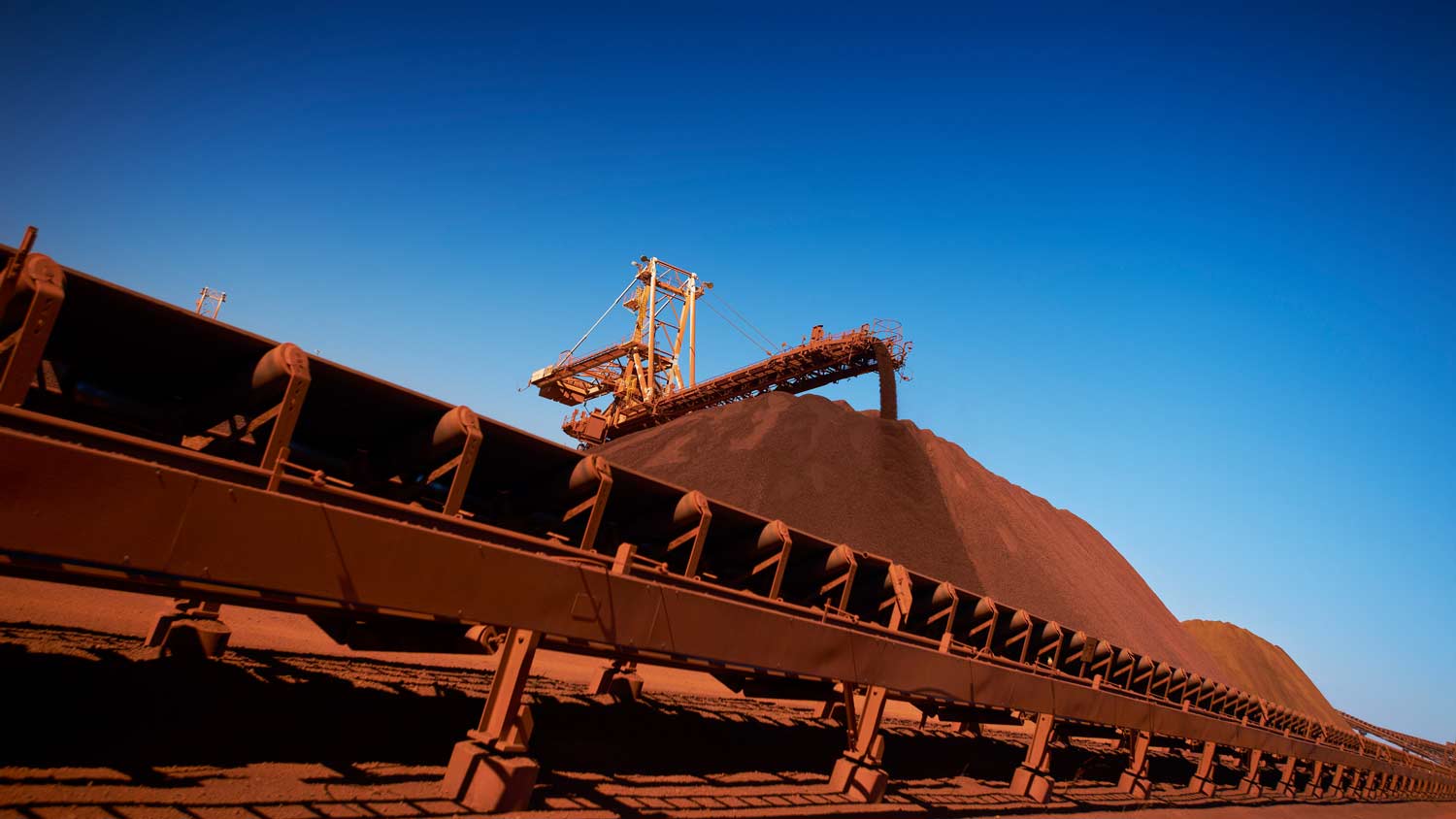
China's August Steel Output Falls 3.7%, Dalian Prices Slide Further
China's crude steel production fell 3.7% year-over-year in August, intensifying pressure on iron ore prices. The Dalian January contract fell to near-seven-week lows as weak steel margins discouraged mills from restocking. Softer industrial demand undercut pre-holiday buying support, leaving prices vulnerable as global supply remained ample and Chinese port holdings climbed.

CSN Mineração Cuts 2026 Output Target on Elevated Brazil–China Freight Costs
CSN Mineração trimmed its 2026 production guidance on mounting freight expenses from Brazil to China, a signal of financial strain across the export supply chain. Vale's New York shares slipped 2.13% to US$13.30 on the announcement, while CSN's stock rose 2.02% on the following day as the market digested production cuts. Freight rates from Tubarao to Qingdao increased 5.4% to $43/tonne in September, raising the all-in cost for exporters already facing weak prices.
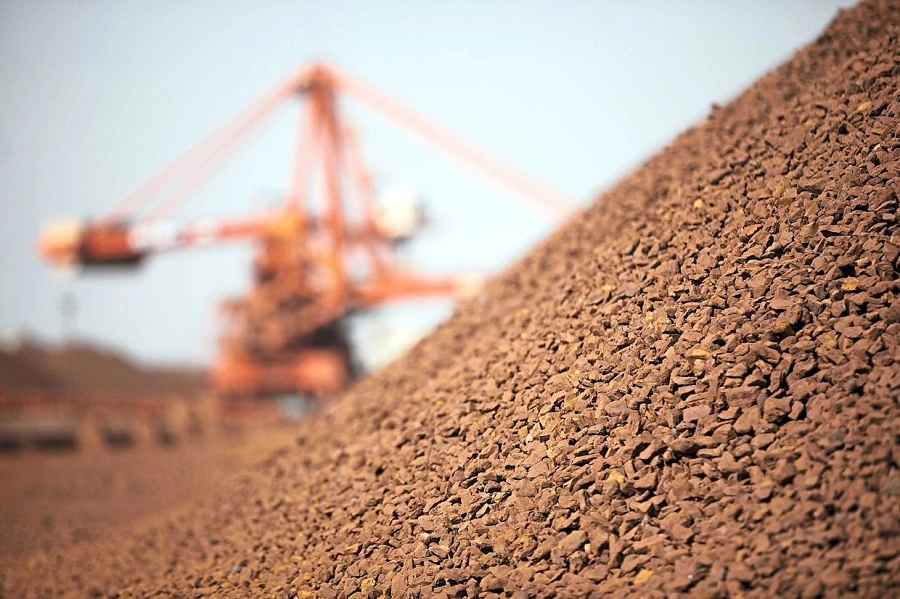
China Factory Activity Returns to Growth, Steadying Iron Ore Before Holiday
China's manufacturing activity returned to expansion in September after weakness, supporting a modest rebound in iron ore prices on 30 September. Factory PMI data boosted sentiment, though gains remained capped by persistent port gluts and low mill profitability. Vale's New York shares rose 0.83% to US$13.41, while CSN Mineração rebounded 5.25%, suggesting cautious optimism as traders assessed post-holiday demand.
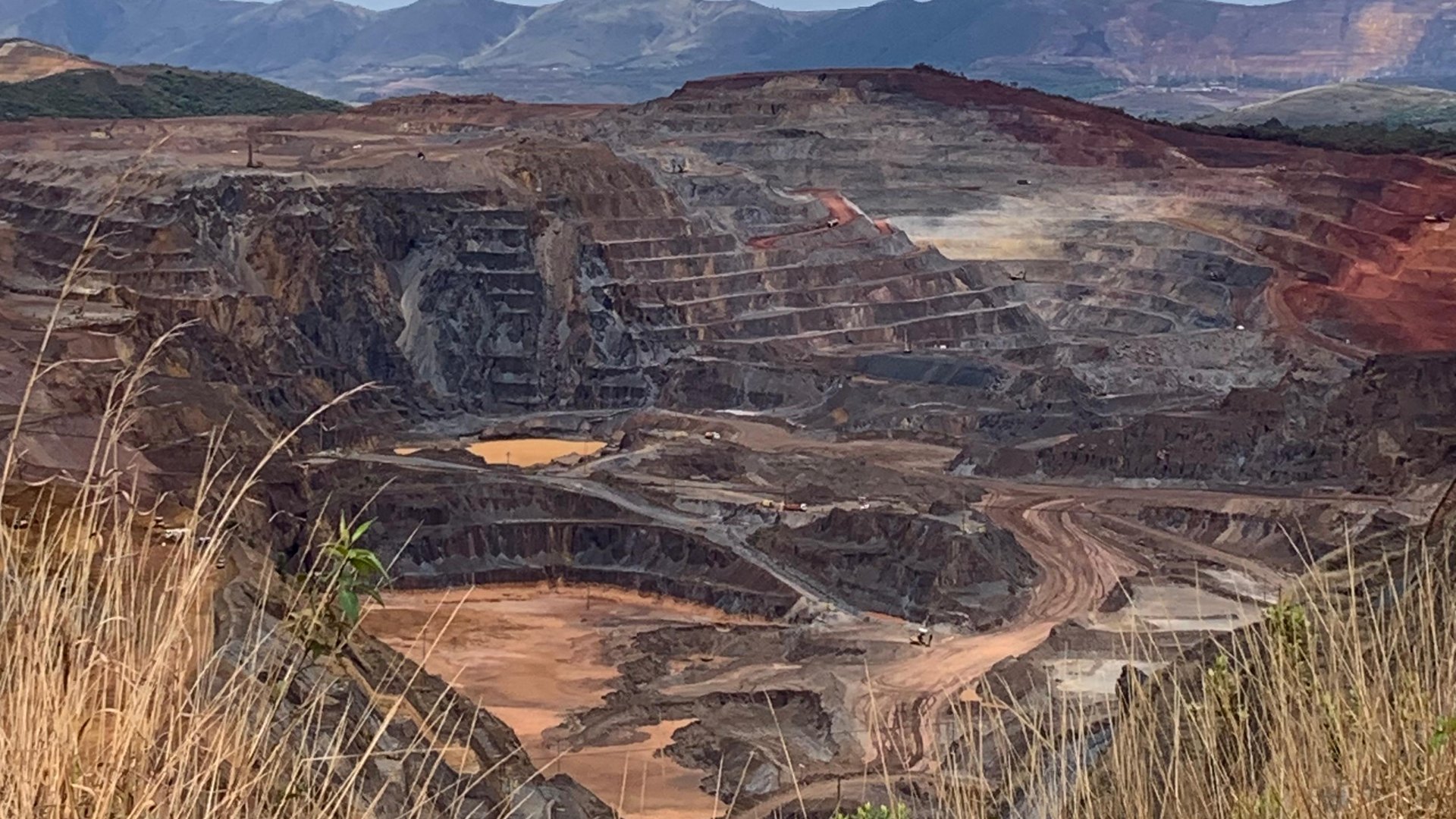
Vale Edges Higher Despite Broader Commodity Weakness; CSN Fades
On 2 October, Vale's New York shares rose 0.30% as China's factory PMI rebound supported sentiment, though Rio Tinto slipped and CSN Mineração fell to approximately US$0.94. The mixed performance underscored uneven confidence: while China's industrial recovery provided near-term support, weak steel margins and mounting logistics costs continued to weigh on miner valuations.
Context & numbers
Iron Ore Prices & Port Dynamics: Dalian iron ore futures traded near CNY 705 per tonne as of late September—a seven-week low—with the January contract at approximately US$105.2/tonne (29 September). KORE 62% Fe/Qingdao spot prices fell to US$96.6/tonne CFR on 25 September, down 4.2% from 4 September. Chinese port stockpiles remained elevated, dampening mill demand despite pre-holiday restocking hopes.
Chinese Steel Output: Crude steel production in China declined 3.7% year-on-year in August 2026, with negative margins prompting mill cutbacks. The softness extended into September, though the month-end PMI rebound signaled tentative stabilization.
Freight Rates: Western Australia–Qingdao rates fell 11.1% to US$15.95/tonne in September, while Brazil–China (Tubarao–Qingdao) climbed 5.4% to US$43/tonne, widening cost differentials and pressuring lower-margin exporters like CSN.
Coking Coal Supply: China's coking coal squeeze is expected to persist into 2027, with the fatal Shanxi mine accident in May continuing to curb domestic output. Strong import demand is likely to remain, though domestic recovery efforts may gradually cool prices.
Local view
Chinese industry observers flagged port inventory accumulation and mill margin compression as key headwinds. Mysteel data reported that Chinese steelmakers remained cautious on raw material purchases, with profitability metrics signaling sustained production pressure. Local Dalian traders noted that pre-holiday positioning offered only temporary support, with post-break demand uncertain.
Brazilian exporters cited elevated freight costs as a material drag on competitiveness, with CSN Mineração's production cut reflecting the rising burden of logistics expenses in a low-price environment. Portuguese-language media tracked the company's move as emblematic of sector-wide margin stress.
On the radar
- Post-Holiday Demand: China's National Day recess ended early October; trading will resume with focus on whether mill restocking materializes or demand remains muted.
- Freight Rate Volatility: Western Australia–Qingdao routes may stabilize as ample vessel supply persists, while Brazil–China routes risk further weakness if demand softens post-holiday.
- Coking Coal Supply Dynamics: Watch for updates on Shanxi mine recovery timelines and Chinese domestic output trends—imports remain firm but domestic revival could ease global prices.
- Indian Coal Demand: Newcastle thermal coal tracking remains soft; India's power and steel demand into Q4 will be a key price lever as Northern Hemisphere winter approaches.
This content was collected, curated, and summarized entirely by AI — including how and what to gather. It may contain inaccuracies. Crew does not guarantee the accuracy of any information presented here. Always verify facts on your own before acting on them. Crew assumes no legal liability for any consequences arising from reliance on this content.
Powered by
