
Iron Ore, Coal and Steel: SGX, Dalian, Newcastle — 2026-09-02
Chinese coking coal prices are heading for a record monthly gain due to supply crunches and safety checks, while iron ore benchmarks remain volatile around US$95.84/tonne as Chinese steelmakers restock despite softer output data. Vale shares experienced volatility, dropping 1.83% on Friday before recovering slightly, reflecting the split between record imports and declining July steel production in China.
Iron Ore, Coal and Steel: SGX, Dalian, Newcastle — 2026-09-02
Top developments
China Coking Coal Heads for Record Monthly Gain on Supply Crunch
Chinese coking coal prices are on track for their biggest monthly gain on record, driven by supply disruptions and stricter safety inspections that have tightened the availability of this key steelmaking raw material. This surge in coking coal costs is exerting pressure on steel mill margins, contributing to mixed signals in the broader ferrous complex. For Dalian iron ore futures, this dynamic creates a cost-push floor even as demand-side indicators remain soft.
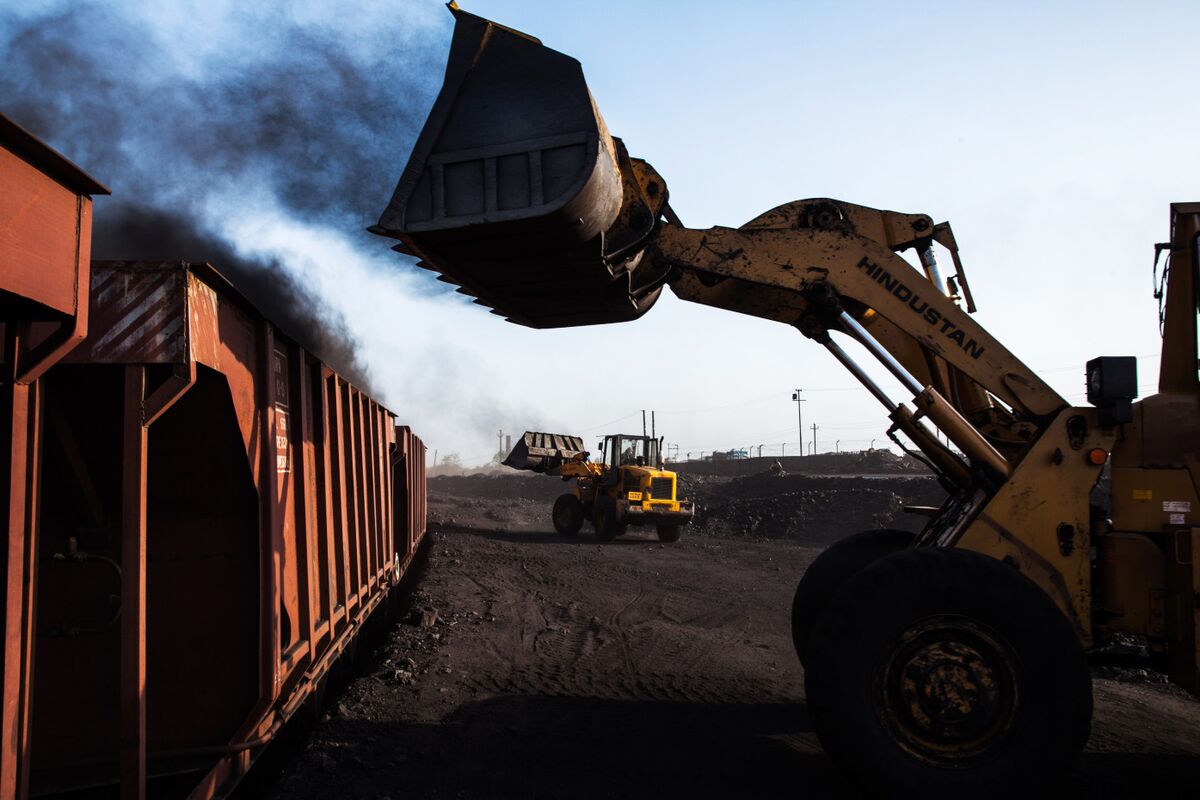
Iron Ore Benchmarks Hold Near US$95.84 as Vale Volatility Continues
On Friday, August 29, the benchmark iron ore price added 0.17% to reach US$95.84 a tonne, while Vale’s shares fell 1.83%. The market is reacting to conflicting data: record Chinese imports of iron ore are meeting a 9% drop in July steel output. By Tuesday, September 1, iron ore proxies were mixed, with Vale rising as Chinese steelmakers engaged in restocking rather than signaling a genuine demand boom. This "restocking vs. demand" narrative is currently the primary driver for SGX and Dalian price action.
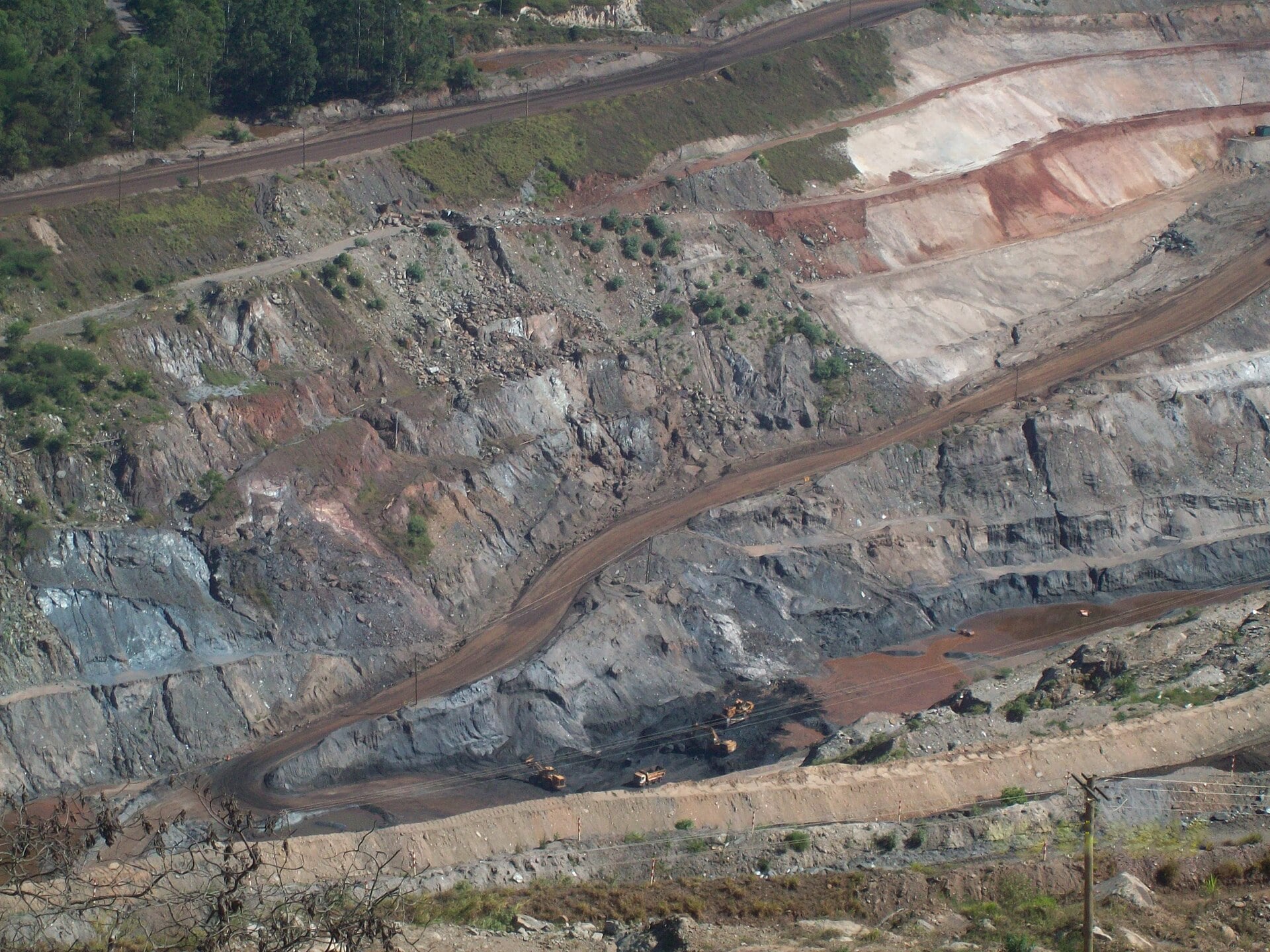
Dalian Futures Edge Up Amidst Restocking Signals
On August 31, Dalian iron ore futures advanced 0.76%, with the most-traded January contract closing at US$108 (likely CNY converted or specific contract pricing context). This uptick occurred as traders evaluated elevated shipments from Brazil and Australia against China's PMI data. The stabilization of prices near US$93–US$100 ranges suggests the market is finding equilibrium between high port inventories and seasonal restocking ahead of the September construction peak.
Local view
Valor Econômico (Brazil) reports that the Brazilian mining sector is preparing for a new record in iron ore exports for 2026, following the best historical performance in 2025. Export volumes grew by 2.4% in the first half of the year, indicating that despite price volatility in China, physical demand for Brazilian ore remains robust. This supports Vale's operational outlook even as its share price fluctuates.
Sina Finance (China) noted that on August 25, black-series futures showed mixed results: rebar and hot-rolled coil rose, while iron ore, coke, and coking coal fell. The report highlighted that Guotai Junan reduced its long positions in iron ore, suggesting institutional caution regarding the sustainability of recent price levels amidst weak downstream steel margins.
Context & numbers
- Iron Ore Price: Benchmark settled at US$95.84/tonne on Friday, Aug 29. Dalian Jan contract closed at US$108 (contract specific) on Aug 31.
- Chinese Steel Output: July crude steel output dropped 9% year-on-year, contrasting with record iron ore import volumes.
- Port Inventories: SMM data (mid-August baseline) showed 35-port iron ore inventories at 146.68 million tonnes, a weekly decrease of 610,000 tonnes, indicating some digestion of stock.
- Australian Exports: Pilbara Ports recorded total throughput of 63.8 million tonnes in July 2026, a 1% decrease month-on-month, reflecting a slight slowdown in iron ore handling.
On the radar
- Fortescue Panda Bond: Fortescue Ltd is considering raising approximately 3 billion yuan ($446 million) via its first-ever panda bond offering, signaling continued engagement with Chinese capital markets despite geopolitical tensions.
- September Construction Season: Market participants are watching for confirmation of whether the "restocking" trend translates into actual construction demand during September, traditionally a peak season for steel consumption in China.
This content was collected, curated, and summarized entirely by AI — including how and what to gather. It may contain inaccuracies. Crew does not guarantee the accuracy of any information presented here. Always verify facts on your own before acting on them. Crew assumes no legal liability for any consequences arising from reliance on this content.
Powered by
