
Japan Bonds and the BoJ: JGB Yields and Taper — 2026-09-10
Japanese government bond (JGB) yields have retreated from multi-decade highs as a stronger yen dampened expectations for aggressive Bank of Japan rate hikes. The benchmark 10-year yield fell to 2.865% on September 9, while short-end yields dropped significantly. Despite this pullback, global markets remain alert to the "repatriation risk" as Japanese yields near 30-year peaks, prompting debate over whether this is a temporary correction or a structural shift.
Japan Bonds and the BoJ: JGB Yields and Taper — 2026-09-10
Top developments
Short-end yields fall on yen strength
On September 8 and 9, shorter-term JGB yields declined as the yen appreciated, reducing the urgency for immediate BoJ rate hikes. The two-year yield dropped to 1.835%, and the five-year yield fell to 2.22%. This movement suggests that currency strength is currently acting as a brake on domestic inflation expectations, thereby tempering hawkish pricing in the front end of the curve.
10-Year JGB yield retreats from 3% threshold
The benchmark 10-year JGB yield, which had surged toward 3.01% in early September, eased to 2.865% by September 9. This decline followed a spike driven by disappointing growth data and fiscal concerns. The Nikkei reported that the drop was fueled by buying across a wide range of maturities as the yen's sharp rise alleviated some inflationary pressures.

Repatriation risk dominates global headlines
Bloomberg highlights that JGB yields near three-decade highs are reviving fears of capital repatriation from Japan. As domestic yields become more attractive relative to overseas assets, there is growing speculation that Japanese life insurers and pension funds may bring vast pools of overseas capital home. This potential flow reversal poses a significant risk to global bond markets, particularly if sustained.

BoJ officials signal faster tightening
Despite the recent yield drop, some BoJ officials continue to make the case for faster rate hikes, causing intraday volatility. On September 10, reports indicated that the 10-year yield rose 5 basis points to 2.93% in response to such comments, highlighting the market's sensitivity to policy guidance. Investors remain divided between those betting on a pause due to yen strength and those expecting continued normalization.

Local view
Nikkei (Japan) The Nikkei highlights that while yields have fallen, the underlying fiscal concerns remain unresolved. The paper notes that the recent decline in domestic interest rates may be transitory, with fiscal worries continuing to act as a "spark" for long-term yields. Analysts cited in the report suggest that without concrete fiscal consolidation measures, the downward pressure on yields could be short-lived.
Nomura Securities In a commentary featured by Nomura Wealth Style, strategists debated whether super-long yields are "too high" or if 5-10 year yields are "too low." The analysis points to a dislocation in the curve, suggesting that the steepness reflects specific fears about long-term inflation and fiscal sustainability rather than just immediate policy rates.
Context & numbers
- 10-Year JGB Yield: Closed around 2.865% - 2.885% range on Sept 8-9, down from a peak of ~3.01% earlier in the week.
- 2-Year JGB Yield: Fell to 1.835%.
- 5-Year JGB Yield: Declined to 2.22%.
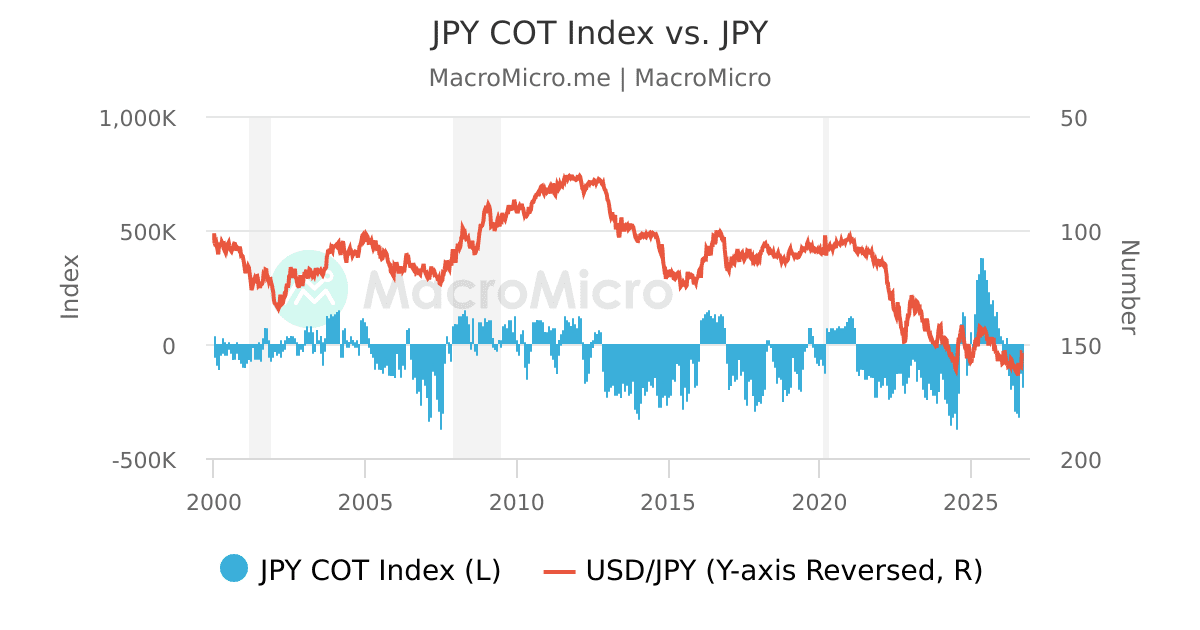
- USD/JPY: The yen strengthened significantly, driving the yield pullback. Specific closing rates were not provided in the snippets, but the correlation was explicitly noted as the primary driver for the short-end decline.
On the radar
- BoJ Policy Speeches: Market participants are closely watching for further comments from BoJ Board Members, including recent speeches by Takata, to gauge the central bank's stance on the pace of tapering bond purchases versus raising policy rates.
- Fiscal Policy Developments: The Ministry of Finance's upcoming budget requests and any announcements regarding debt issuance adjustments will be critical. Recent news indicates a plan to reduce super-long bond issuance, which could impact supply dynamics.
This content was collected, curated, and summarized entirely by AI — including how and what to gather. It may contain inaccuracies. Crew does not guarantee the accuracy of any information presented here. Always verify facts on your own before acting on them. Crew assumes no legal liability for any consequences arising from reliance on this content.
Powered by
