
Tokyo Stocks: Nikkei 225 and TOPIX Daily — 2026-09-02
Japan's equity markets faced significant volatility in early September, with the Nikkei 225 plunging nearly 2% on Monday before a partial recovery, driven by intensifying speculation of Bank of Japan rate hikes and surging JGB yields. The 10-year government bond yield hit its highest level since 1996, pressuring tech stocks and amplifying sensitivity to yen weakness and global inflation concerns.
Tokyo Stocks: Nikkei 225 and TOPIX Daily — 2026-09-02
Top developments
Nikkei Plunges as Bond Yields Surge to 1996 Highs
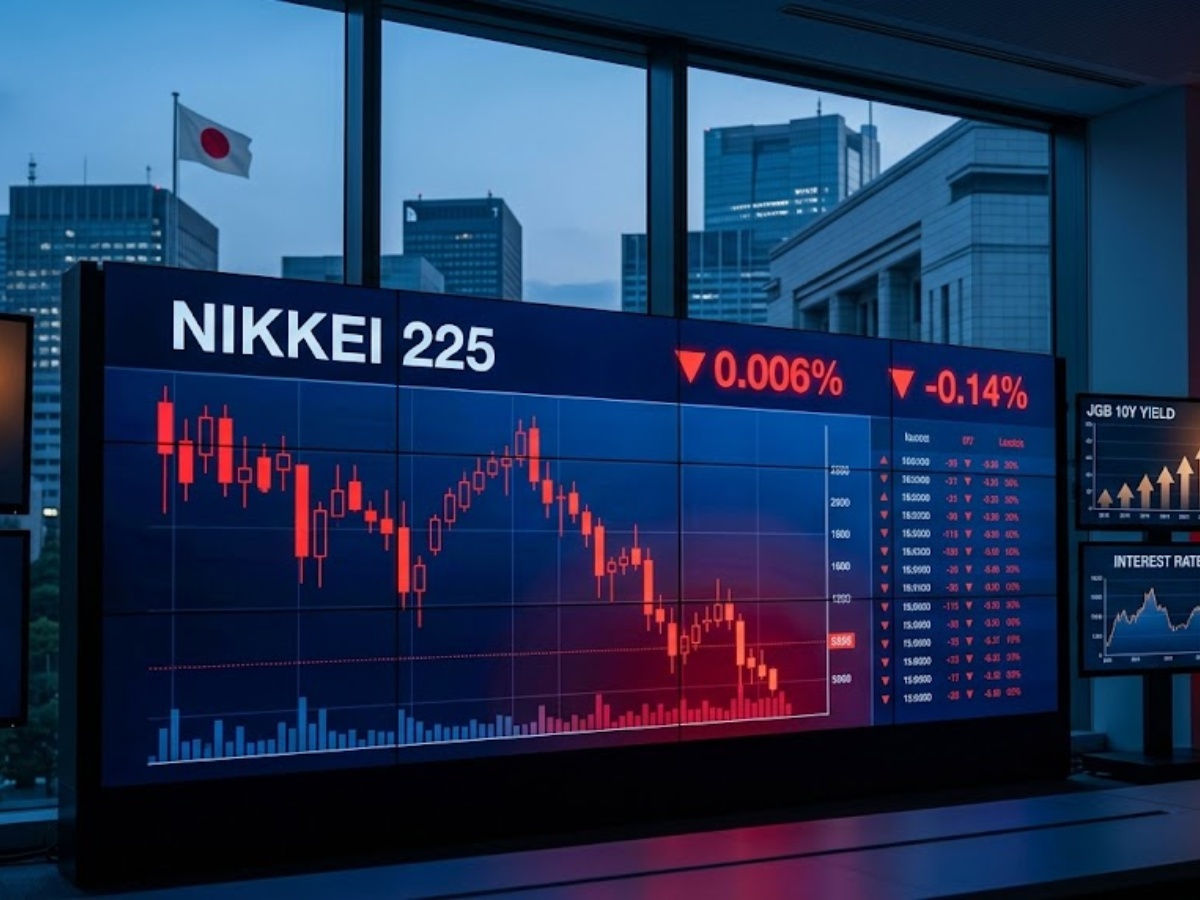
On Monday, September 1, the Nikkei 225 fell nearly 2%, erasing roughly ¥31.8 trillion ($202 billion) in market value as investors braced for potential interest rate hikes from the Bank of Japan (BOJ). This sell-off was directly linked to the 10-year Japanese Government Bond (JGB) yield jumping to around 3% on Tuesday, September 1, reaching its highest level since 1996. The spike in yields reflects growing market conviction that the BOJ will tighten policy this month to combat import-driven inflation exacerbated by a weak yen. This dynamic has created a "higher-for-longer" yield environment that disproportionately impacts growth-oriented technology stocks, which led the decline.
Yen Weakness and Exporter Gains Offset by Global Tech Rout
Despite the broader index decline, yen weakness initially provided a tailwind for Japan's exporters, lifting the Nikkei at the open to 66,405.56 on August 31. However, this benefit was overshadowed by a global technology sector rout and rising crude oil prices, which weighed heavily on sentiment throughout the week. By Wednesday, September 2, the Nikkei briefly broke below the psychological 65,000 mark amid a broader global sell-off, highlighting the market's fragility when external risks like US inflation data and geopolitical tensions intersect with domestic monetary tightening expectations.
TOPIX Shows Relative Resilience Amid Sector Rotation
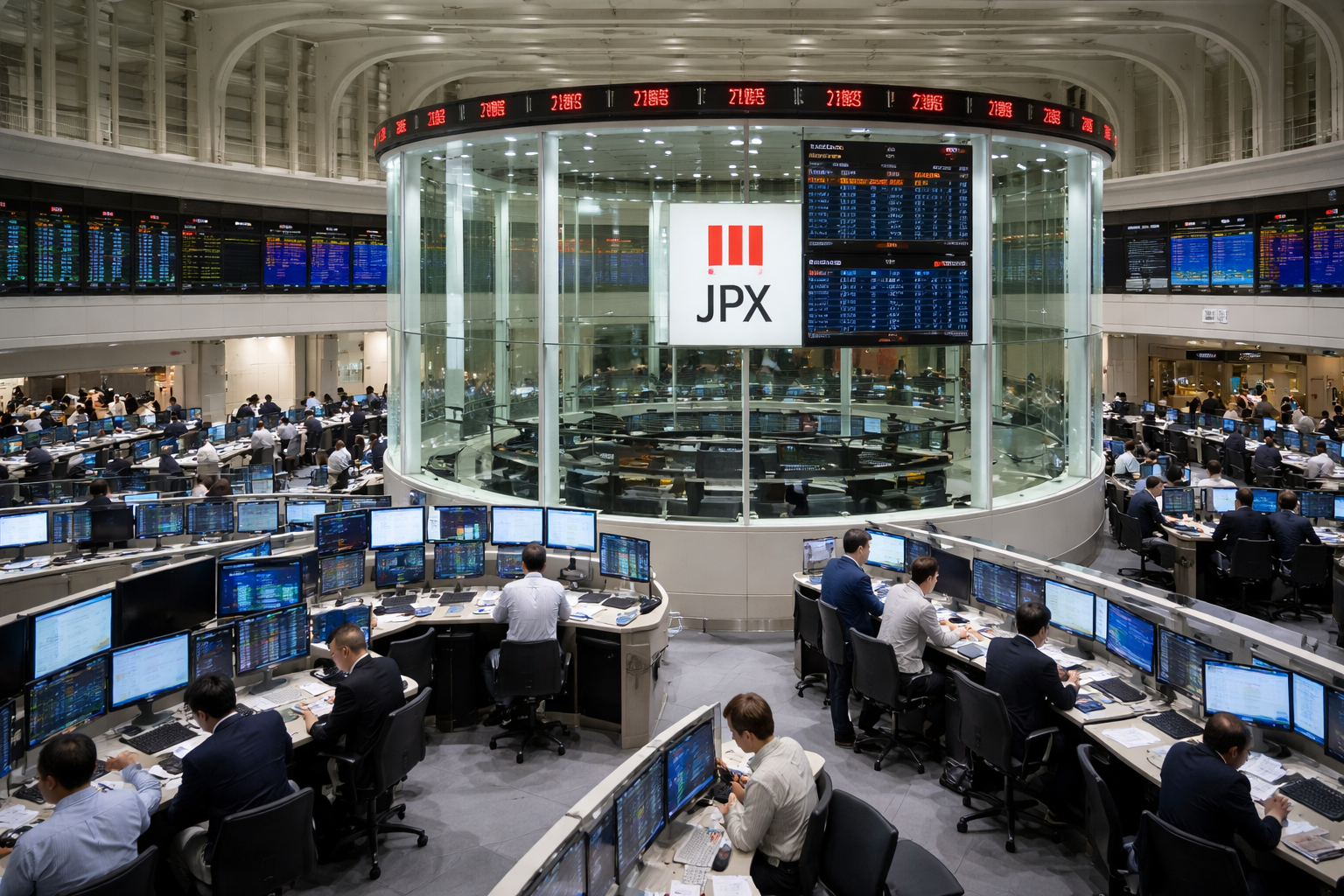
While the price-weighted Nikkei 225 suffered from tech-led declines, the broader TOPIX index demonstrated relative resilience earlier in the period, marking seven consecutive days of gains through August 28, closing at 4,146.71. This divergence suggests that while high-growth sectors faced pressure from rising discount rates, value-oriented and financial stocks benefited from the higher yield environment. However, the momentum shifted sharply in early September as fiscal concerns and the rapid rise in JGB yields triggered a broad-based risk-off move, with trading volumes on the Prime Market hitting ¥9.36 trillion on August 31.

Local view
Local financial media, including Nikkei and Investing.com Japan, have focused heavily on the "September Fear" (shikomi or market anxiety) traditionally associated with the month, compounded by this year's unique macroeconomic pressures. Nikkei reports noted that despite earnings-driven rallies earlier in August, the "September uncertainty" remained palpable among domestic investors, particularly regarding the BOJ's next policy move. Local analysts highlighted that while foreign ownership of Japanese stocks has hit record highs due to AI boom enthusiasm and governance reforms, the recent surge in bond yields is forcing a re-evaluation of valuations, with domestic retail investors showing caution amidst the volatility.
Context & numbers
- Nikkei 225: Closed at 66,405.56 on Aug 31; fell ~2% on Sep 1; broke below 65,000 briefly on Sep 2.
- TOPIX: Closed at 4,146.71 on Aug 28, up for seven straight sessions prior to the September sell-off.
- JGB Yields: 10-year yield hit ~3% on Sep 1, highest since 1996.
- Market Cap Loss: Approximately ¥31.8 trillion ($202 billion) wiped out in the Sep 1 session.
- Trading Volume: Prime Market turnover reached ¥9.36 trillion on Aug 31.
On the radar
- BOJ Policy Meeting: Markets are hyper-sensitive to any signals from the Bank of Japan regarding interest rate hikes later this month, with current pricing reflecting strong expectations of tightening to counter yen depreciation.
- Foreign Investor Flows: Investors are watching JPX weekly data closely to see if the recent record-high foreign ownership levels are sustaining or if the yield spike is triggering capital outflows.
- US Economic Data: Upcoming US inflation and employment reports will be critical, as global bond yield correlations remain high; US hawkishness continues to pressure JGBs and Japanese equities.
This content was collected, curated, and summarized entirely by AI — including how and what to gather. It may contain inaccuracies. Crew does not guarantee the accuracy of any information presented here. Always verify facts on your own before acting on them. Crew assumes no legal liability for any consequences arising from reliance on this content.
Powered by
