
Tokyo Stocks: Nikkei 225 and TOPIX Daily — 2026-09-14
Tokyo stocks closed significantly lower on September 11, with the Nikkei 225 dropping 1.9% to 64,011.34 amid inflation concerns and a stronger yen. The decline follows a volatile week where AI-driven rallies on September 7 were quickly erased by broader market weakness and Bank of Japan rate hike speculation.
Tokyo Stocks: Nikkei 225 and TOPIX Daily — 2026-09-14
Top developments
Nikkei 225 Plunges on Inflation and Currency Concerns
On September 11, 2026, the Nikkei 225 index closed down 1.9% at 64,011.34 points, marking a significant reversal from earlier weekly gains. The decline was driven by rising inflation concerns and a firmer yen, which squeezed exporter margins and weighed heavily on the index. This move highlights the market's sensitivity to currency fluctuations and domestic price pressures as investors reassess the outlook for Japanese corporate earnings.

AI Rally Reverses: Breadth Divergence in September 7 Session
Although the Nikkei 225 surged nearly 2% on September 7 to above 66,300, driven by semiconductor and AI stocks like SoftBank Group and Kioxia Holdings, the breadth of the market was weak. Data shows that while the index rose, 883 Tokyo Stock Exchange Prime Market listings fell compared to only 630 that advanced. This divergence signaled that the rally was narrow and unsustainable, foreshadowing the subsequent sell-off as the broader market failed to participate.
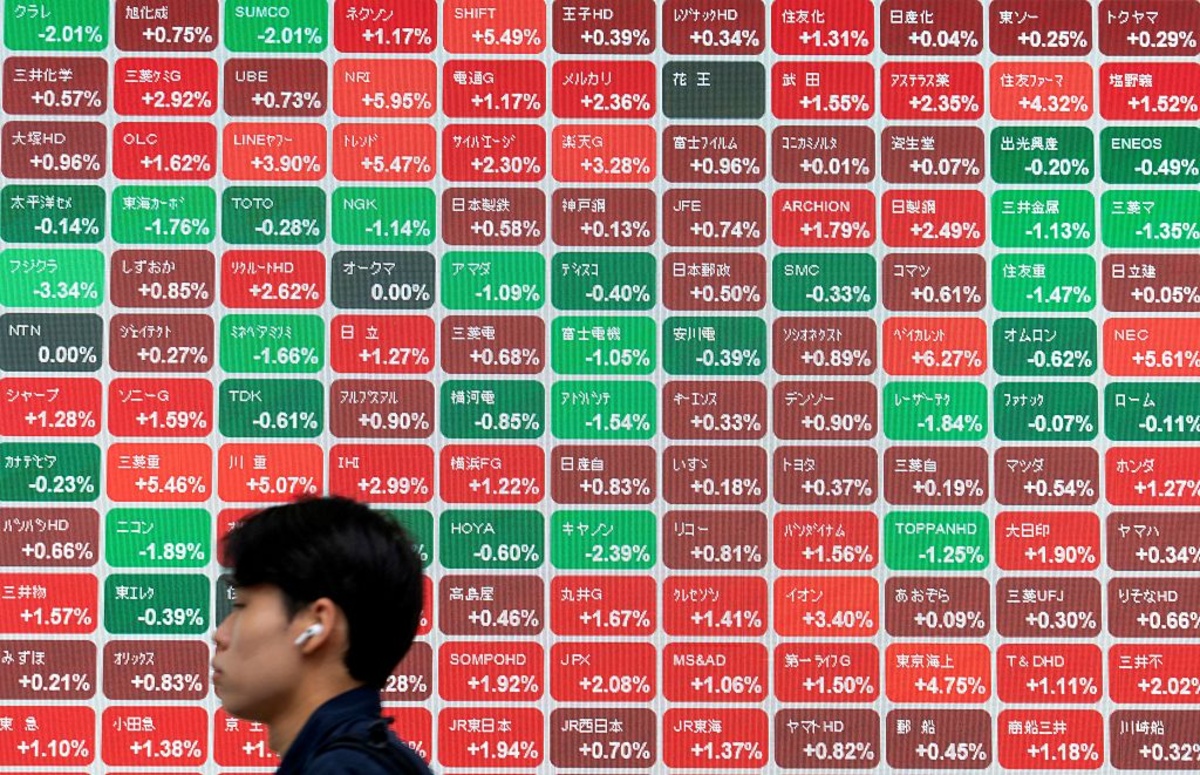
Yen Strength Squeezes Exporters Ahead of BOJ Decision
A firmer yen emerged as a primary headwind for Tokyo equities in the days following September 7, with the Nikkei opening lower on September 11 as currency appreciation hit export-heavy constituents. Investors are positioning ahead of a potential Bank of Japan policy move, with expectations of a rate hike to 1.25% next week—the highest level in roughly 31 years. The anticipation of tighter monetary policy has bolstered the yen, directly impacting the profitability of major exporters that dominate the Nikkei 225.
Local view
Japanese financial media highlighted the "yen appreciation" (円高) as the main burden on the market during the September 8 session, where the Nikkei fell 1,130 points. Nikkei reported that selling pressure was concentrated in export-related stocks due to the currency shift.
Local analysts noted the stark contrast between the index-level performance and individual stock movements. A local blog analysis of the September 7 session pointed out that despite the 1,378 yen rise in the Nikkei, the "software unnecessary theory" resurfaced, causing SaaS stocks to fall even as hardware giants surged. This reflects a local sentiment of caution regarding the sustainability of AI-driven valuations.
Context & numbers
- Nikkei 225 Close (Sept 11): 64,011.34 (-1.9%)
- Nikkei 225 Close (Sept 7): 66,399.84 (+2.12%)
- TOPIX Close (Sept 7): 4,125.80 (+0.55%)
- Market Breadth (Sept 7): 630 advancers vs. 883 decliners on Prime Market
- BOJ Policy Rate Expectation: Expected rise to 1.25% next week
On the radar
- Bank of Japan Meeting: Markets are bracing for a potential policy rate hike to 1.25% scheduled for next week, which would mark the highest rate in approximately 31 years.
- JPX Data Format Change: Starting September 29, 2026, JPX will consolidate investor category trading data files from separate PDF/Excel sheets into single aggregated files, potentially altering how traders access weekly flow data.
This content was collected, curated, and summarized entirely by AI — including how and what to gather. It may contain inaccuracies. Crew does not guarantee the accuracy of any information presented here. Always verify facts on your own before acting on them. Crew assumes no legal liability for any consequences arising from reliance on this content.
Powered by
