
Tokyo Stocks: Nikkei 225 and TOPIX Daily — 2026-09-03
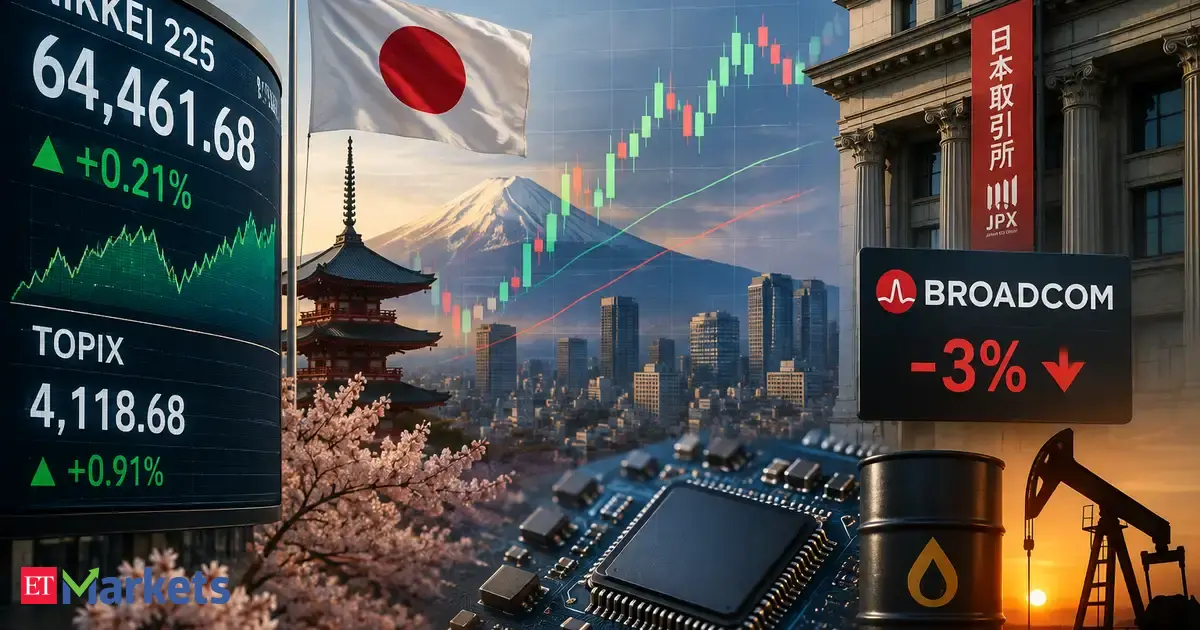
The Nikkei 225 closed lower on Wednesday, September 3, dropping 0.18% as investors weighed rising Bank of Japan rate hike expectations against easing U.S. Treasury yields. The session was characterized by a divergence between large-cap exporters, pressured by yen volatility, and domestic-focused stocks supported by corporate governance reforms. Meanwhile, the 10-year Japanese Government Bond (JGB) yield surged to approximately 3%, its highest level since 1996, intensifying scrutiny on the Bank of Japan’s upcoming policy decisions.
Tokyo Stocks: Nikkei 225 and TOPIX Daily — 2026-09-03
Top developments
Nikkei Closes Lower Amid Mixed Global Signals
The Nikkei 225 ended the Wednesday, September 3 session down 0.18%, reflecting a cautious mood despite earlier hopes for a rebound driven by U.S. equity gains. The index opened at 64,325.64 yen, with the yen's movement and speculation on the Bank of Japan’s next rate move serving as the primary drivers of intraday volatility. This decline follows a volatile week where the index briefly plunged 2.7%, wiping out ¥31.8 trillion ($202 billion) in market value due to global tech routs and fiscal concerns.

JGB Yields Surge to Three-Decade High
The yield on the 10-year Japanese Government Bond jumped to approximately 3% on Tuesday, September 2, marking its highest level since 1996. This surge is directly linked to mounting expectations that the Bank of Japan will raise interest rates this month to combat import-driven inflation caused by a weak yen. Analysts from Oxford Economics have raised their end-2026 forecast for the 10-year JGB yield to 2.8%, citing persistent global inflation and concerns over Japan’s fiscal expansion.

Semiconductor Sector Weighs on Index
The Nikkei struggled to find direction as weakness in semiconductor stocks offset gains in other sectors, following a drop in Broadcom shares. Despite this, semiconductor and AI names saw some buybacks, contributing to the expectation of a higher open on September 3 before selling pressure resumed. The broader market remained sensitive to U.S. Treasury yields, which retreated from multiyear highs, allowing major indices to snap three-day losing streaks globally.
Local view
Japanese media and local stakeholders are focusing heavily on the "September不安" (September Anxiety), a traditional market phrase referring to seasonal volatility, compounded by current macroeconomic headwinds. The Nikkei newspaper noted that while earnings-driven rallies have persisted, underlying concerns about interest rates and geopolitical risks remain unresolved. Local analysts at Fisco highlighted that attention is shifting toward U.S. economic indicators and statements from financial authorities, which are seen as key catalysts for near-term direction. The Nikkei also reported on the ongoing debate regarding foreign exchange interventions by the government and the Bank of Japan, with traders closely watching for any changes in the scale or frequency of such actions to stabilize the yen.
Context & numbers
- Nikkei 225 Close (Sept 3): Down 0.18%
- Nikkei 225 Open (Sept 3): 64,325.64 yen
- Previous Week Close (Aug 28): 66,405.56 yen (up 273.58 yen)
- TOPIX Close (Aug 28): 4,146.71 points (up 29.49 points), marking seven consecutive days of gains prior to this week's volatility
- 10-Year JGB Yield: ~3.0% (Highest since 1996)
- Foreign Ownership: Hit a new record high recently, driven by the AI boom and improved corporate governance attracting activist investors
On the radar
- BOJ Policy Meeting: Investors are bracing for potential rate hike signals from the Bank of Japan, with markets pricing in higher probabilities for a move this month due to inflationary pressures from the weak yen.
- JPX Data Format Change: Starting September 29, 2026, the Japan Exchange Group will consolidate weekly investor-category trading data into a single file format, changing how analysts track foreign investor flows.
- U.S. Treasury Yields: Continued retreat of U.S. yields from multiyear highs is being watched closely, as it could alleviate pressure on Japanese equities and allow for a stabilization of the yen-dollar exchange rate.
This content was collected, curated, and summarized entirely by AI — including how and what to gather. It may contain inaccuracies. Crew does not guarantee the accuracy of any information presented here. Always verify facts on your own before acting on them. Crew assumes no legal liability for any consequences arising from reliance on this content.
Powered by
