
Korea Bonds and the Bank of Korea: KTBs and Won — 2026-10-11
South Korean government bond yields remain elevated, with the 10-year yield hovering near 4.39% as domestic investors shift capital toward high-yielding U.S. Treasuries. The Bank of Korea reported record foreign asset returns of 16.9 trillion won in 2025, driven by won depreciation and global market gains, while WGBI inclusion inflows have slowed significantly compared to initial projections.
Korea Bonds and the Bank of Korea: KTBs and Won — 2026-10-11
Top developments
Bank of Korea posts record 16.9 trillion won in foreign asset returns
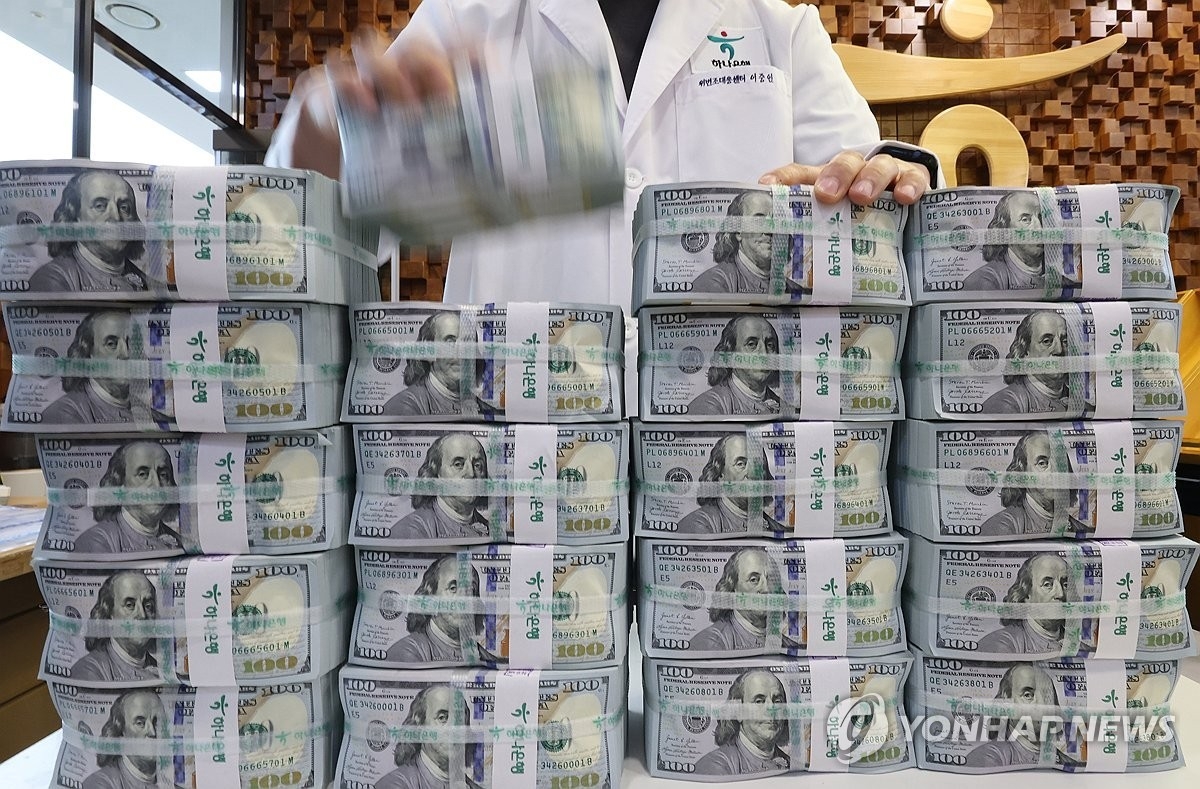
The Bank of Korea (BOK) reported on October 11 that it earned 16.9 trillion won ($12.5 billion) from its foreign assets in 2025. This record performance was primarily driven by exchange rate gains resulting from a weaker won against the dollar, alongside increased valuations in global equity and bond markets held by the central bank
U.S. yields above 5% draw Korean capital but temper buying appetite
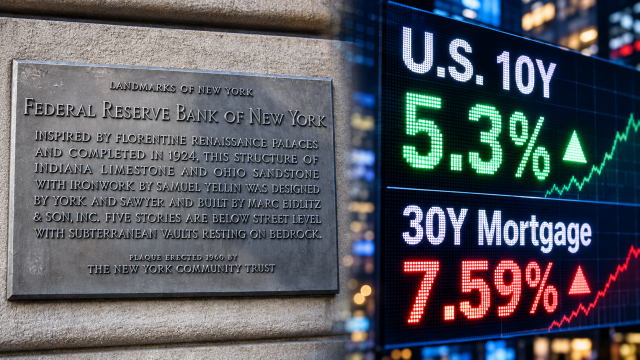
As of October 8, 10-year U.S. Treasury yields are trading around 5.3%, prompting South Korean retail and institutional investors to consider U.S. bonds as a safer alternative to volatile domestic equities. However, the fear of further price declines due to rising yields has tempered aggressive buying, creating a cautious environment for cross-border fixed-income flows
WGBI inclusion effects fade as foreign inflows slow
The final phase of South Korea’s inclusion in the World Government Bond Index (WGBI) is underway this month, with full integration expected by November. Recent data indicates that foreign net buying of Korean Treasury Bonds (KTBs) has slowed considerably compared to the initial surge in April, with October seeing no significant spike in passive fund flows on month-end dates
10-year KTB yield stabilizes near 4.39% amid global volatility
On October 7, the yield on South Korea’s 10-year government bond stood at 4.39%, marking a slight increase from the previous session. While yields have remained relatively flat over the past month, they are significantly higher than a year ago, reflecting the persistent influence of elevated U.S. rates and domestic inflation concerns
Local view
Seoul Economic Daily and Yonhap report that the won-dollar exchange rate fell to approximately 1,340 won per dollar on October 7, reaching its lowest level in a month. This strengthening was driven by export companies selling dollars to repatriate profits, despite a massive $46.1 billion current account surplus that might otherwise suggest stronger won appreciation. Analysts note that record overseas bond buying by Korean institutions is acting as a counterweight, capping the won's rally
Hankyung highlights that domestic bond markets are struggling with "mixed" sentiment. While external yields (U.S. and Europe) rose overnight, causing domestic yields to spike initially, afternoon sessions saw some recovery as foreign investors net-bought treasury futures. The 3-year KTB yield was noted at 3.933%, indicating tightness in the short end of the curve
Context & numbers
- BOK Foreign Asset Return: 16.9 trillion won ($12.5 billion) in 2025
- 10-Year KTB Yield: 4.39% (as of Oct 7, 2026)
- 3-Year KTB Yield: ~3.93% (as of Oct 6, 2026)
- USD/KRW Rate: ~1,340 won (Oct 7), down from highs above 1,360 in late September
- U.S. 10-Year Yield: ~5.3% (driving capital outflow pressure)
On the radar
- WGBI Final Inclusion (November): The last tranche of passive funds is expected to enter the market in November. Investors are watching for any final "front-running" or sudden liquidity shifts in the long-end KTB curve.
- IMF World Economic Outlook (October): The IMF is expected to release its October outlook soon, potentially revising South Korea’s 2026 growth forecast. A higher forecast could reduce pressure on the BOK to cut rates, keeping bond yields elevated
- BOK Next Policy Meeting: Following the August rate hike to 3.00%, markets are awaiting signals for the next meeting. With yields high and the won stabilizing, the BOK may maintain a hawkish stance, which supports bond prices but limits further yield spikes.
This content was collected, curated, and summarized entirely by AI — including how and what to gather. It may contain inaccuracies. Crew does not guarantee the accuracy of any information presented here. Always verify facts on your own before acting on them. Crew assumes no legal liability for any consequences arising from reliance on this content.
Powered by
