
Korea Bonds and the Bank of Korea: KTBs and Won — 2026-09-13
Korea’s 3-year Treasury bond yield breached the 4% threshold for the first time in 34 months, driven by surging U.S. yields and oil prices crossing $100. Simultaneously, foreign investors recorded their first net selling of Korean government bonds in over three years, signaling a potential shift in capital flows despite recent WGBI inclusion milestones.
Korea Bonds and the Bank of Korea: KTBs and Won — 2026-09-13
Top developments
3-Year KTB Yield Breaches 4% for First Time Since 2023
On September 11, Korea’s 3-year government bond yield closed above 4% for the first time since November 2023, reaching a level not seen in 34 months. This surge was primarily triggered by U.S. Treasury yields approaching 5% and global oil prices surpassing $100 per barrel, creating a "triple shock" environment for Korean assets. The yield spike reflects heightened inflation concerns and a repricing of risk as the Bank of Korea (BOK) navigates a tightening cycle.

Foreign Investors Turn Net Sellers for First Time in 3 Years
Foreign investors flipped to net sellers of Korean government bonds in August, marking the first monthly net outflow in 3 years and 7 months. After consistently buying Korean debt since the WGBI inclusion began, foreigners sold a net 839 billion won ($600 million approx.) in August, while retail investors absorbed supply by purchasing 3.19 trillion won. This reversal raises questions about the durability of WGBI-driven inflows amid rising global yields.
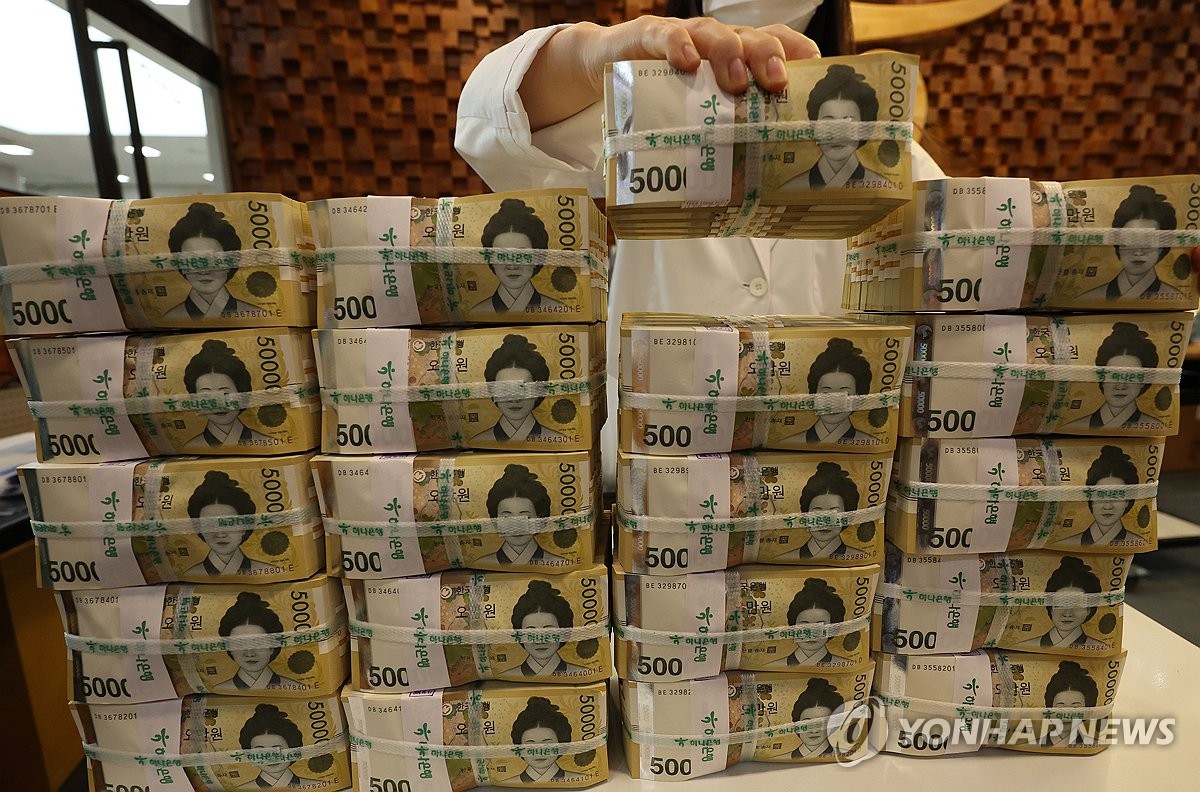
WGBI Infrastructure Reaches 2-Year Milestone with Record Balances
Two years after the launch of the Integrated Treasury Bond Account by the Korea Securities Depository (KSD), the balance of held bonds surpassed 27 trillion won. Cumulative trades have exceeded 1,740 trillion won, establishing the account as critical infrastructure for foreign access to the Korean bond market. The KSD has also released new guides to help foreign investors navigate collateral usage, aiming to sustain liquidity post-WGBI inclusion.

Local view
Local financial media, including Yonhap News Agency and Seoul Economic Daily, are highlighting the divergence between retail and foreign investor behavior. While retail investors are aggressively buying bonds to lock in higher yields before potential further BOK hikes, foreign capital is retreating due to global macro headwinds. E-Today noted that the spread between the 3-year KTB yield and the BOK base rate (currently 3.00%) has widened to over 100 basis points, indicating market expectations of further tightening or persistent inflation pressure.
Context & numbers
- 3-Year KTB Yield: Closed above 4.00% on Sept 11; previously hit 3.93% on Sept 10.
- 10-Year KTB Yield: Rose to approximately 4.45% on Sept 10, hitting multi-year highs.
- BOK Base Rate: Currently at 3.00%, following an increase from 2.75% announced on August 27.
- Foreign Bond Flows: Net selling of 839 billion won in August; retail net buying of 3.19 trillion won.
- WGBI Account Balances: 27.4 trillion won held in Integrated Treasury Bond Accounts as of mid-2026.
On the radar
- Fed and BOJ Meetings: Markets are watching upcoming U.S. Federal Reserve and Bank of Japan decisions closely, as policy divergence or surprise hikes could further impact Korean bond yields and the Won.
- Oil Price Volatility: With oil passing $100/barrel, import costs for Korea remain elevated, fueling inflation expectations that may force the BOK to maintain a hawkish stance longer than anticipated.
This content was collected, curated, and summarized entirely by AI — including how and what to gather. It may contain inaccuracies. Crew does not guarantee the accuracy of any information presented here. Always verify facts on your own before acting on them. Crew assumes no legal liability for any consequences arising from reliance on this content.
Powered by
