
Korea Bonds and the Bank of Korea: KTBs and Won — 2026-09-03
South Korea’s 3-year Treasury yield surged to 3.93% as U.S. Treasury yields neared 4.8%, raising fears of 8% mortgage rates for households already carrying 2,000 trillion won in debt. Amidst this global rate shock, the government announced plans to issue up to 222.8 trillion won in bonds for 2027, while foreign investors shifted heavily into ultra-short-term bond funds to mitigate duration risk.
Korea Bonds and the Bank of Korea: KTBs and Won — 2026-09-03
Top developments
3-Year KTB Yield Hits 3.93% on Global Rate Shock
On September 3, Korea’s three-year treasury yield rose to 3.93%, mirroring the surge in the U.S. 10-year Treasury yield which approached 4.8%. This spike is driven by renewed U.S.-Iran hostilities lifting oil prices and stoking inflation fears, creating significant pressure on domestic market rates. The move raises the prospect of mortgage rates climbing toward 8%, squeezing borrowers in a market where household debt remains elevated.

Government Plans Record 222.8 Trillion Won Issuance for 2027
The South Korean government plans to issue up to 222.8 trillion won ($162.7 billion) of bonds in 2027, a figure near this year’s record levels. This expansionary fiscal agenda under President Lee Jae Myung aims to support growth but adds supply pressure to a bond market already grappling with higher yields. The announcement highlights the tension between fiscal stimulus needs and monetary tightening efforts by the Bank of Korea.
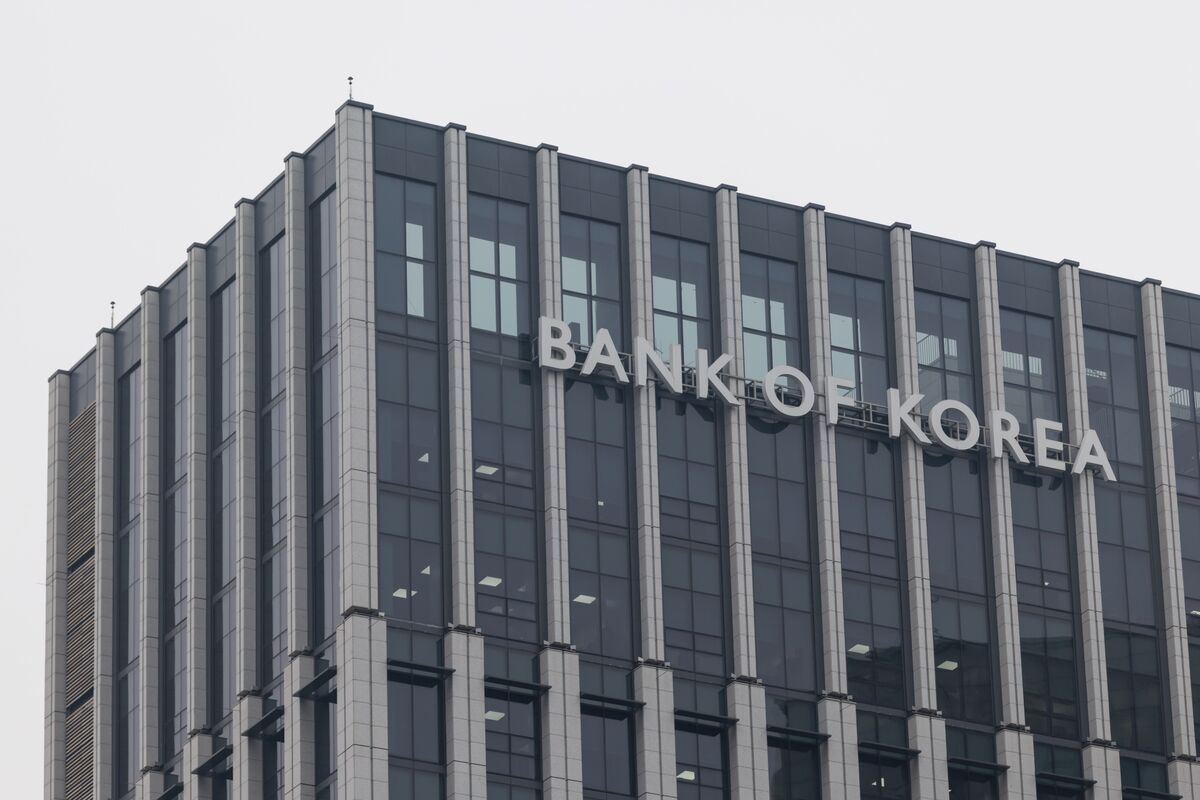
Investors Flee Duration: Ultra-Short Funds See Inflows
As rate-hike risks bite, Korean bond funds lost 385.1 billion won in a month, while ultra-short-term funds attracted 648 billion won in inflows. Investors are aggressively cutting duration to protect capital against further yield rises, signaling a defensive stance in the fixed-income market. This shift underscores the market's expectation that the Bank of Korea’s tightening cycle may continue or remain restrictive for longer.

Foreign Selling Weighs on KOSPI and Bond Sentiment
Foreign and institutional investors net sold 13.9 trillion won worth of Korean assets, contributing to a 4% drop in the KOSPI index. While this selling was primarily equity-driven, the broader risk-off sentiment has spilled over into the bond market, with foreign investors also engaging in large net selling of futures contracts. The simultaneous sell-off in equities and bonds reflects heightened global volatility and concerns over domestic inflationary pressures.
Local view
Local media outlets like Etoday and Seoul Economic Daily highlight the "bear steepening" phenomenon, where long-term yields (such as the 30-year bond) rose sharply by 10 basis points, the largest jump in three months. Analysts note that the combination of heavy upcoming issuance volumes and external rate pressures is creating a "tipping point" scenario for domestic rates. Yonhap News reports that while the 3-year yield hit 3.878% on Sept 1, the market is now bracing for further volatility as the term premium widens due to the Bank of Korea's hawkish stance.
Context & numbers
- 3-Year KTB Yield: Rose to 3.93% on Sept 3, approaching the year’s high of 3.959%.
- 10-Year KTB Yield: Climbed to 4.418% on Sept 2, up 4.7 basis points.
- Household Debt: Stands at approximately 2,000 trillion won, with rising interest burdens threatening financial stability.
- Bank of Korea Base Rate: Currently at 3.00% following the August 27 hike.
- Won/Dollar Exchange Rate: Traded around 1,383.7 won per dollar on Aug 27, showing relative stability despite global turmoil.
On the radar
- U.S. Fed Decision: Market participants are closely watching the upcoming Federal Reserve meeting for signals on whether U.S. rates will stay "higher for longer," which would directly impact Korean yield spreads.
- Bond Tenders: Watch for upcoming government bond tenders as the market absorbs the new supply from the 2027 issuance plan; weak demand could further push yields higher.
- WGBI Flows: Monitor if the recent foreign outflows in July were a temporary pause or the start of a trend reversing the post-WGBI inclusion inflows.
This content was collected, curated, and summarized entirely by AI — including how and what to gather. It may contain inaccuracies. Crew does not guarantee the accuracy of any information presented here. Always verify facts on your own before acting on them. Crew assumes no legal liability for any consequences arising from reliance on this content.
Powered by
