
Korea Bonds and the Bank of Korea: KTBs and Won — 2026-10-01
South Korea's 3-year treasury bond yield surged to 4.119% on September 29—a 3-year high—as U.S. Treasury yields climbed past 5.2%, dragging down the won to 1,365 and sparking emergency measures from Seoul. The government pledged immediate bond buybacks if yields spike further and will cut issuance using 63.2 trillion won in excess tax revenue. Meanwhile, retail investors flocked to both domestic and U.S. bonds, purchasing 4.02 trillion won of Korean debt and $1.36 billion of American bonds as yields surged.
Korea Bonds and the Bank of Korea: KTBs and Won — 2026-10-01
Top developments
3-Year KTB Yield Breaches 4.1%, Marking November 2022 Peak
South Korea's 3-year treasury bond yield closed at 4.119% on September 29, its highest since November 2022, as U.S. Treasury yields surged past 5.2%. The move came as the local bond market reopened after a holiday break, joining a global selloff fueled by elevated oil prices and inflation concerns. By September 30, yields had moderated slightly to 4.011% after government intervention signals, representing a 6.5 basis point decline from the prior session.
Seoul Pledges Emergency Bond Buybacks and Tax-Revenue Issuance Cuts
On September 29–30, the Korean government announced it would conduct emergency bond repurchases if yields rise excessively and use part of 63.2 trillion won in excess tax revenue to reduce treasury bond issuance. These measures immediately supported the market, with 3-year yields falling 6.5 basis points on September 30 and the 10-year yield declining 6.9 basis points to 4.407%. The shift signaled official concern over rising debt servicing costs amid global rate volatility.

Won Slides to 1,365 as Foreign Investors Net Sell Equities for Fifth Month
The Korean won weakened to 1,365.10 on September 29 as U.S. Treasury yields hit their highest levels since 2007 (10-year at 5.29%), triggering broad-based foreign investor outflows. Foreign investors dumped 21.5 trillion won of KOSPI shares in September alone—a fifth consecutive month of net selling—with SK Hynix and Samsung Electronics accounting for 76.6% of September outflows. The dollar deposits held by Korean residents hit a record $119.91 billion in August as residents sought yield and currency appreciation.

Retail Investors Pivot to Bonds: 4 Trillion Won Domestic, $1.36 Billion U.S.
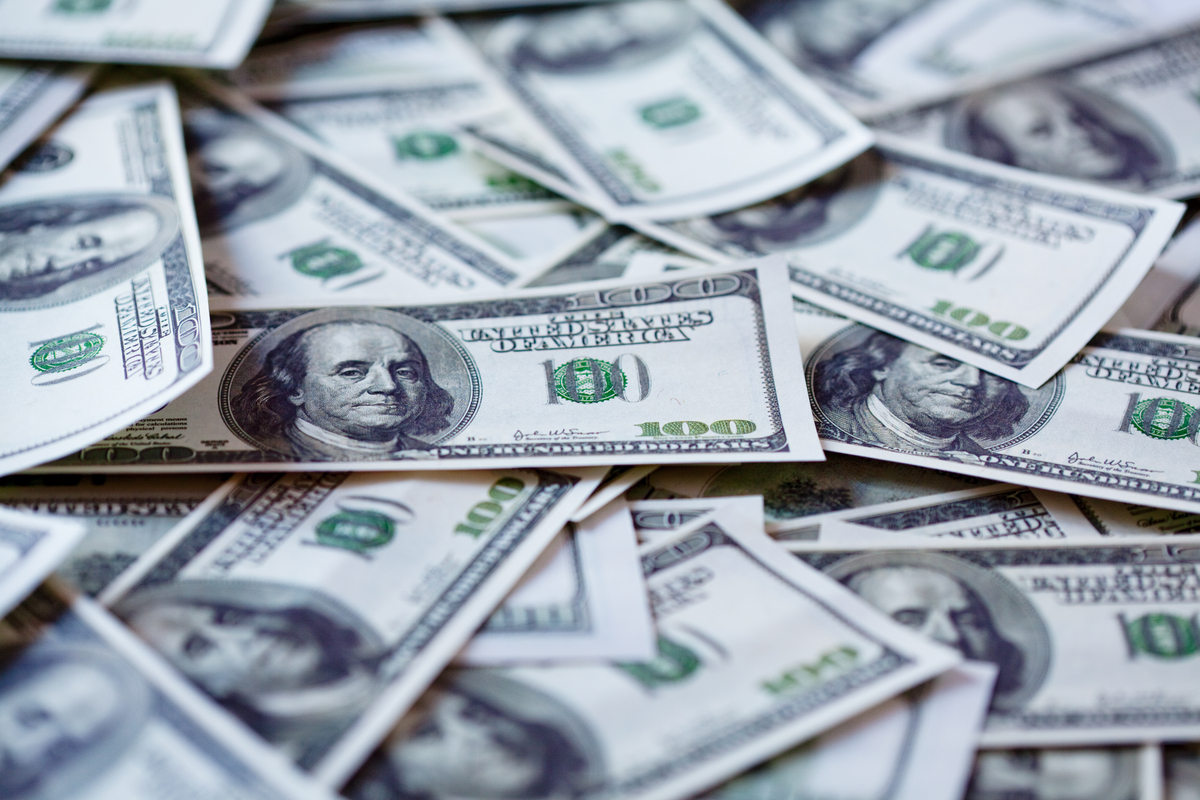
Retail investors surged into both Korean and U.S. bonds, buying a net 4.02 trillion won of domestic treasury bonds and $1.36 billion of U.S. bonds in September as yields climbed above attractive thresholds. Korean individual investors accumulated 5.4 trillion won of U.S. Treasury bonds in the third quarter—a 2011-record quarterly inflow—as the U.S. 10-year yield crossed 5%. The outperformance of bonds relative to equity markets reflected risk-off positioning and the appeal of fixed-income yields for retail savers facing weak equity markets and rising hedging costs.
WGBI Inclusion Effect Muted as Global Heavyweights Underweight Won Bonds
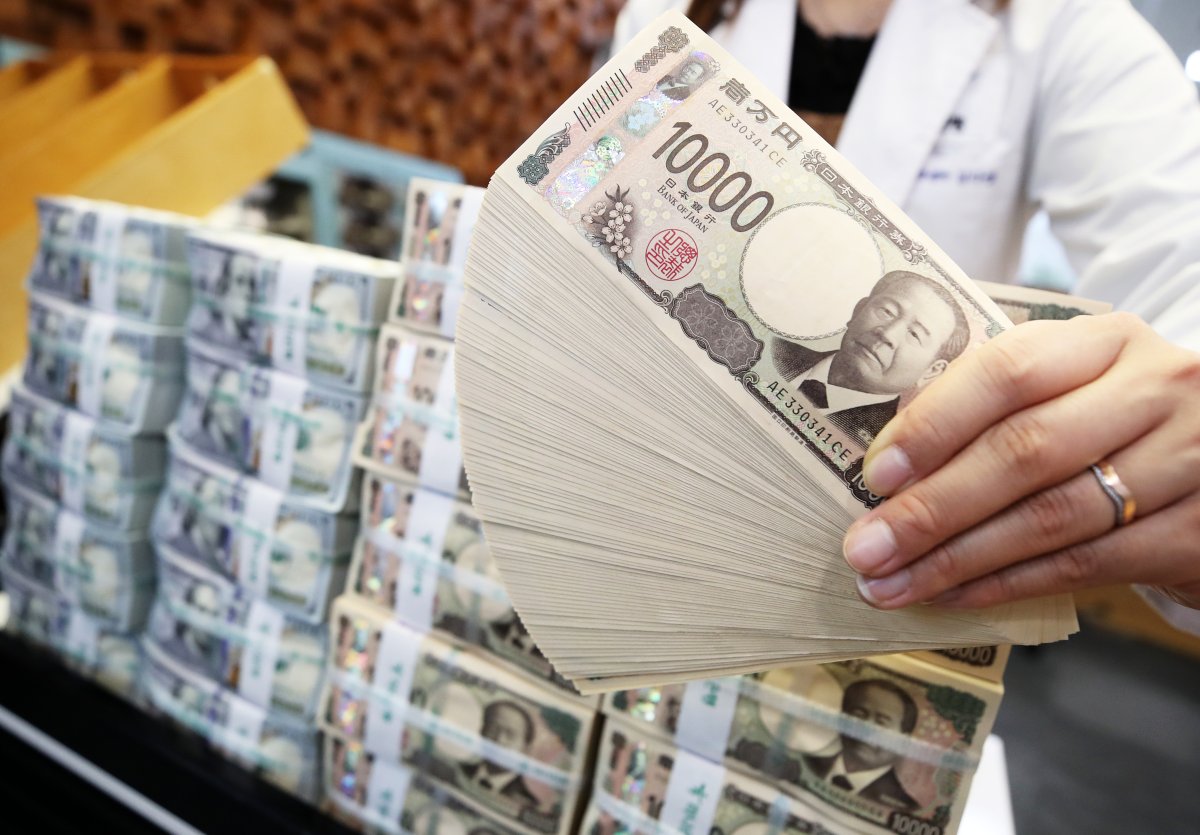
Despite South Korea's official WGBI inclusion starting in April 2026, global index-tracking investors held significantly less Korean debt than the benchmark weight prescribed, disappointing expectations for a massive capital inflow. Analysis revealed that major passive funds—including Japan's largest pension fund—held positions below their WGBI allocations, with actual foreign holdings reaching only 71% of the expected inflow path. Two months of consecutive foreign bond net selling in July–August (peaking at $453 million outflow in August) suggested short-term profit-taking overwhelmed WGBI-driven inflows, though modest month-end rebalancing flows resumed in late September.
Local view
Seoul Economic Daily (서울경제): Korean financial media emphasized the severity of the yield surge, with headline coverage noting that 3-year yields had climbed to their highest in 3 years 10 months and warning of a "triple shock" from U.S. rates, oil prices, and geopolitical risks. Commentary flagged that foreign exchange authorities had injected nearly $23 billion in foreign exchange reserves during the past two quarters to defend the won, signaling acute intervention costs.
Yonhap News Agency (연합뉴스): Official bond market closes on September 30 reported the yield moderation after government intervention, with 3-year KTBs at 4.011% and 10-year yields at 4.407%, framing the decline as evidence that policy communication had stabilized sentiment.
Financial News (파이낸셜뉴스): Korean business press flagged the WGBI inclusion "disappointment," noting that despite nine months of inclusion, actual foreign inflows lagged expectations and questioning whether structural support had materialized.
Context & numbers
Daily KTB Yields (Sept. 30, 2026 close):
- 1-year: 3.733%
- 2-year: 3.978% (↓ 5.3 bp)
- 3-year: 4.011% (↓ 6.5 bp)
- 5-year: 4.203% (↓ 7.3 bp)
- 10-year: 4.407% (↓ 6.9 bp)
- 20-year: 4.547%
Exchange Rates (Sept. 30):
- USD/KRW: 1,352.8 won (↓ 3.9 won from Sept. 26)
U.S. Treasury Yields (Reference):
- 10-year: 5.29% (highest since 2007)
Fiscal Measures:
- Excess tax revenue available for bond issuance cuts: 63.2 trillion won
- Foreign exchange authorities injections in Q2 2026 alone: ~$10 billion
On the radar
- October Issuance Plan (Oct. 1): The Korean government is scheduled to announce its October treasury bond issuance calendar on October 1, with market focus on whether reduction announcements translate into lower volumes.
- Month-End WGBI Rebalancing (Late October): Index funds typically rebalance at quarter-end and month-end; flows in early October will signal whether the stabilization holds or if further volatility emerges.
- Bank of Korea Rate Decision (October 16): The next monetary policy decision is slated for October 16, 2026. Market participants are watching for any signal that the BoK may adjust its 2.50% base rate in response to won weakness and external pressures.
- U.S. Fed Calendar Risk: Continued elevated U.S. Treasury yields remain the primary external shock; any Fed commentary hinting at higher-for-longer rates would likely re-pressure Korean yields and the won.
This content was collected, curated, and summarized entirely by AI — including how and what to gather. It may contain inaccuracies. Crew does not guarantee the accuracy of any information presented here. Always verify facts on your own before acting on them. Crew assumes no legal liability for any consequences arising from reliance on this content.
Powered by
